
Concrete Work for Your Property
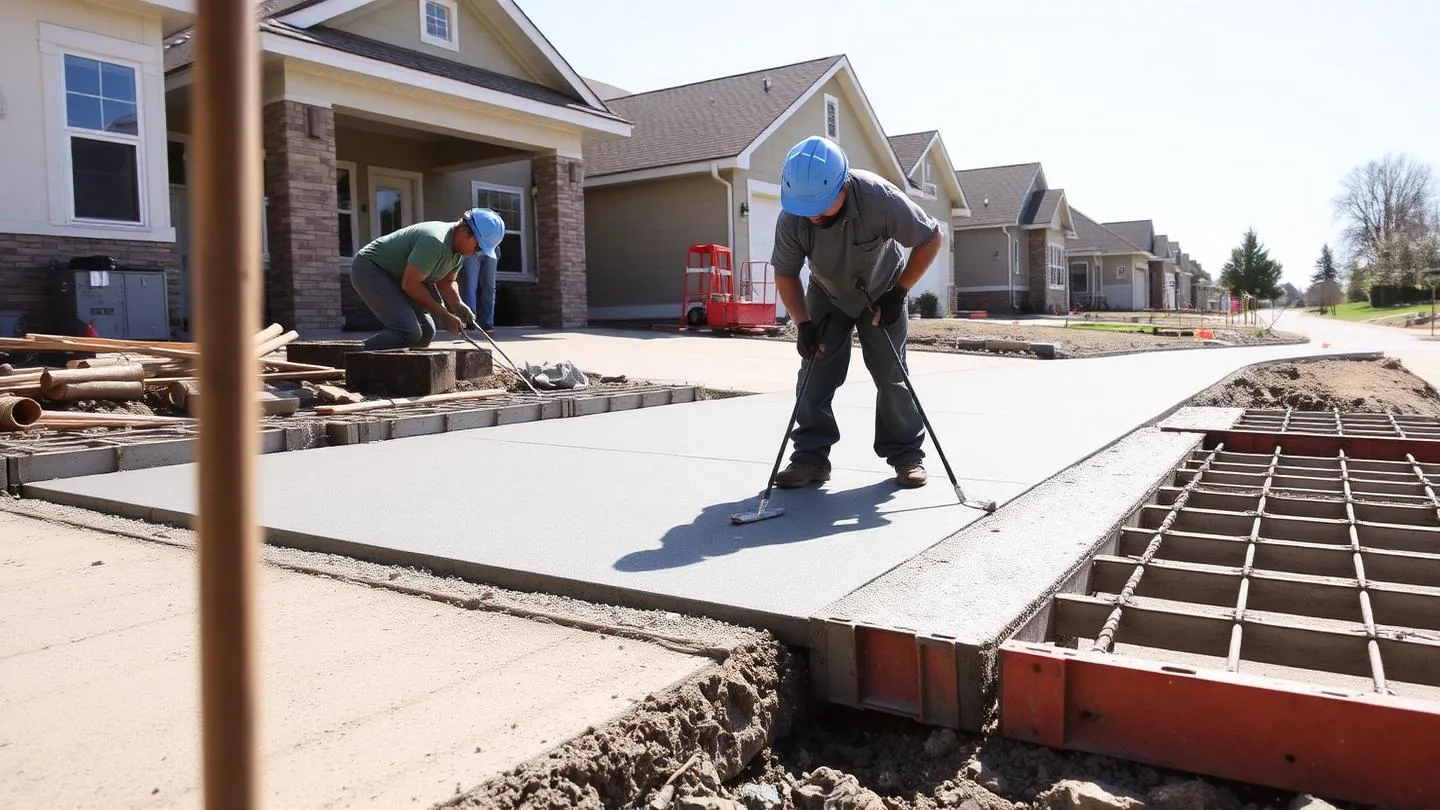
Driveways, patios, walkways, slabs, foundations, repair and decorative finishes. Tell us about the job and we'll help you reach concrete pros near you.
Request concrete quotes
A few quick questions, and you can stop at any point.
Prefer to speak with someone now?Call (888) 334-6535
- No obligation to hire
- You decide whether to proceed
- Your information is used to help with the request you submitted
- No account required
Hire Best Pros helps connect you with professionals who handle this type of work. We don't perform the work ourselves.
Call about concrete
Talk through what you need and get pointed to the right pro.
How hiring through Hire Best Pros works
- Tell Hire Best Pros what you need, in plain language.
- We help determine which type of professional handles it.
- The next step is either a call or a short request form.
- Nothing happens until you choose to continue.

What concrete pros usually handle
- Driveways, garage floors and slabs
- Patios, walkways and steps in concrete or pavers
- Repair, resurfacing and slab leveling
- Foundations and basement waterproofing
- Stained, stamped and polished finishes
The base decides the lifespan
Confirm base preparation, slab thickness and whether rebar or wire mesh is included. Most early failures come from a thin or poorly compacted base rather than from the concrete itself.
Joints decide where it cracks
Concrete cracks by nature. Control joints decide whether that happens in a straight planned line or randomly across your new driveway, so ask how they will be spaced.
How it works
- STEP 01
Tell us what you need
Tell us about the project or problem.
- STEP 02
Billy helps find the right path
Hire Best Pros identifies the relevant service and the best available way to connect.
- STEP 03
Take the next step
Depending on the service, you can call a professional, submit a short request, or continue to a provider that offers what you're looking for.
Frequently asked questions
How long before I can drive on new concrete?
Foot traffic is usually fine within a day or two, while most contractors ask you to keep vehicles off for about a week. Your contractor will give the exact timing for the mix and weather.
Can a cracked driveway be repaired instead of replaced?
Often yes. Surface cracks can be filled or resurfaced, and sunken slabs can sometimes be lifted rather than removed. Deep structural cracking or a failing base usually needs replacement.
What is slab leveling or mudjacking?
It lifts a sunken slab back into place by pumping material underneath it. It costs less than replacement and works well when the concrete itself is still sound.
Related services


Concrete Work for Your Property
Driveways, patios, walkways, slabs, foundations, repair and decorative finishes. Tell us about the job and we'll help you reach concrete pros near you.