
Tile and Natural Stone Work
Floors, backsplashes, showers, natural stone and grout. Tell us what you need and we'll help you reach tile pros who work your area.
Request tile quotes
A few quick questions, and you can stop at any point.
- No obligation to hire
- You decide whether to proceed
- Your information is used to help with the request you submitted
- No account required
Hire Best Pros helps connect you with professionals who handle this type of work. We don't perform the work ourselves.
How hiring through Hire Best Pros works
- Tell Hire Best Pros what you need, in plain language.
- We help determine which type of professional handles it.
- The next step is either a call or a short request form.
- Nothing happens until you choose to continue.

What tile pros usually handle
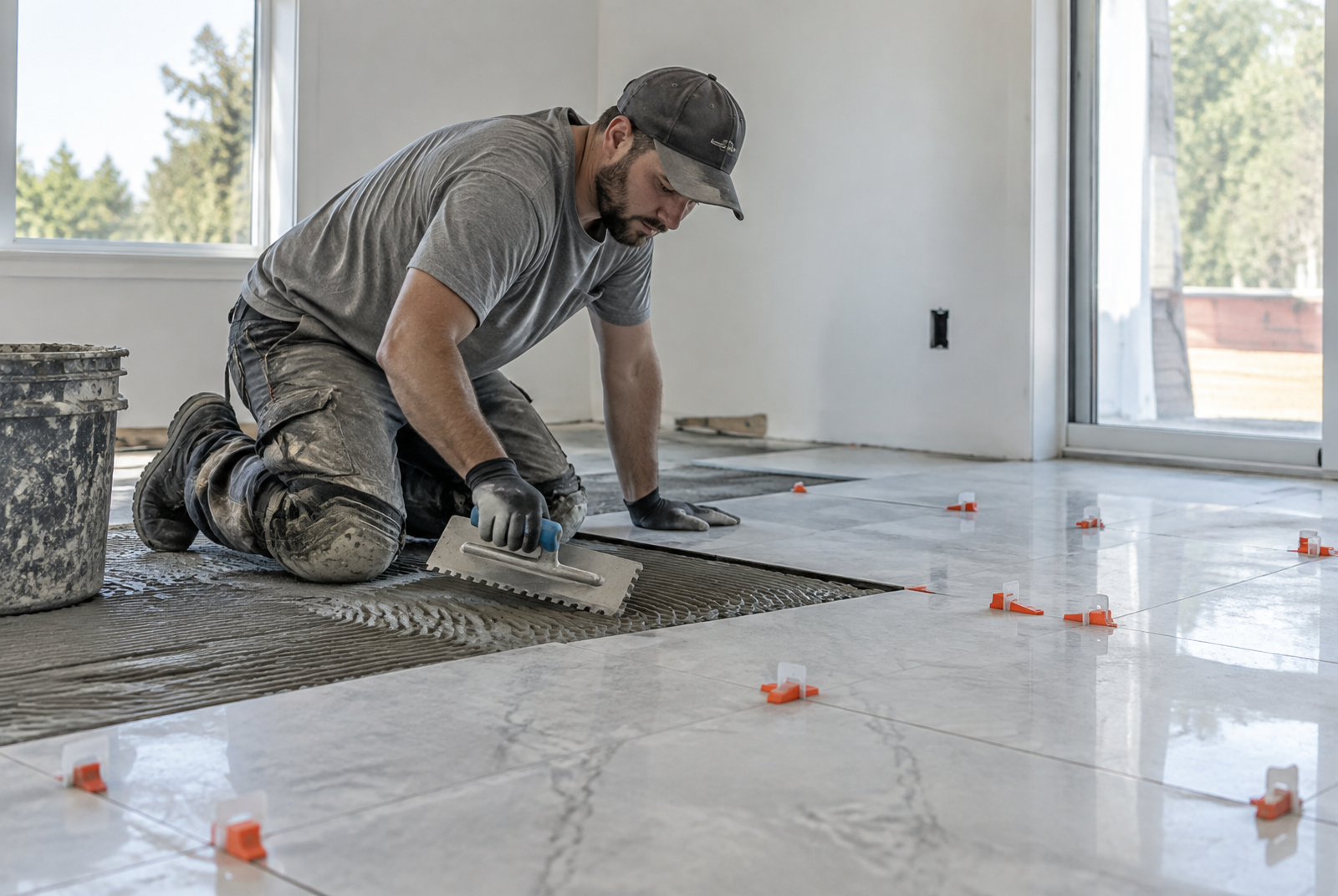
- Tile flooring installation and replacement
- Cracked, loose or missing tile repair
- Kitchen and bathroom backsplashes
- Natural stone such as granite, marble and slate
- Grout cleaning, sealing and repair
What drives the price
Tile size and material, the layout, whether old tile has to come out, and how much cutting the room needs. Small mosaic and large format tile both take longer than a simple square layout.
Ask what happens under the tile
In showers and other wet areas, ask which waterproofing system is used and whether the substrate is being replaced. That answer separates a lasting job from one that fails at the grout lines.
How it works
- STEP 01
Tell us what you need
Tell us about the project or problem.
- STEP 02
Billy helps find the right path
Hire Best Pros identifies the relevant service and the best available way to connect.
- STEP 03
Take the next step
Depending on the service, you can call a professional, submit a short request, or continue to a provider that offers what you're looking for.
Frequently asked questions
Can new tile go over old tile?
Sometimes, if the existing tile is sound, well bonded and the added height does not cause problems at doors and transitions. A pro checks for hollow or loose areas first, because tiling over a failing floor repeats the failure.
Is regrouting enough, or does the tile need replacing?
If the tile is firmly attached and only the grout is stained or cracked, regrouting usually solves it. Loose tiles, soft spots or water staining behind the wall point to a problem under the surface instead.
How long does a tile floor take to install?
A typical room is often one to three days plus curing time before heavy use, longer if old flooring needs removing or the substrate has to be repaired.
Related services


Tile and Natural Stone Work
Floors, backsplashes, showers, natural stone and grout. Tell us what you need and we'll help you reach tile pros who work your area.