
How to choose energy efficient windows
What the numbers on a window label mean, how climate changes the right choice, and why installation quality matters as much as the window itself.
By Elijah Canfield, Founder, Hire Best Pros · Updated August 26, 2026
Elijah Canfield is the founder of Hire Best Pros. He writes and edits the site's consumer guides, with a focus on how home service and moving projects are priced, scoped and compared.
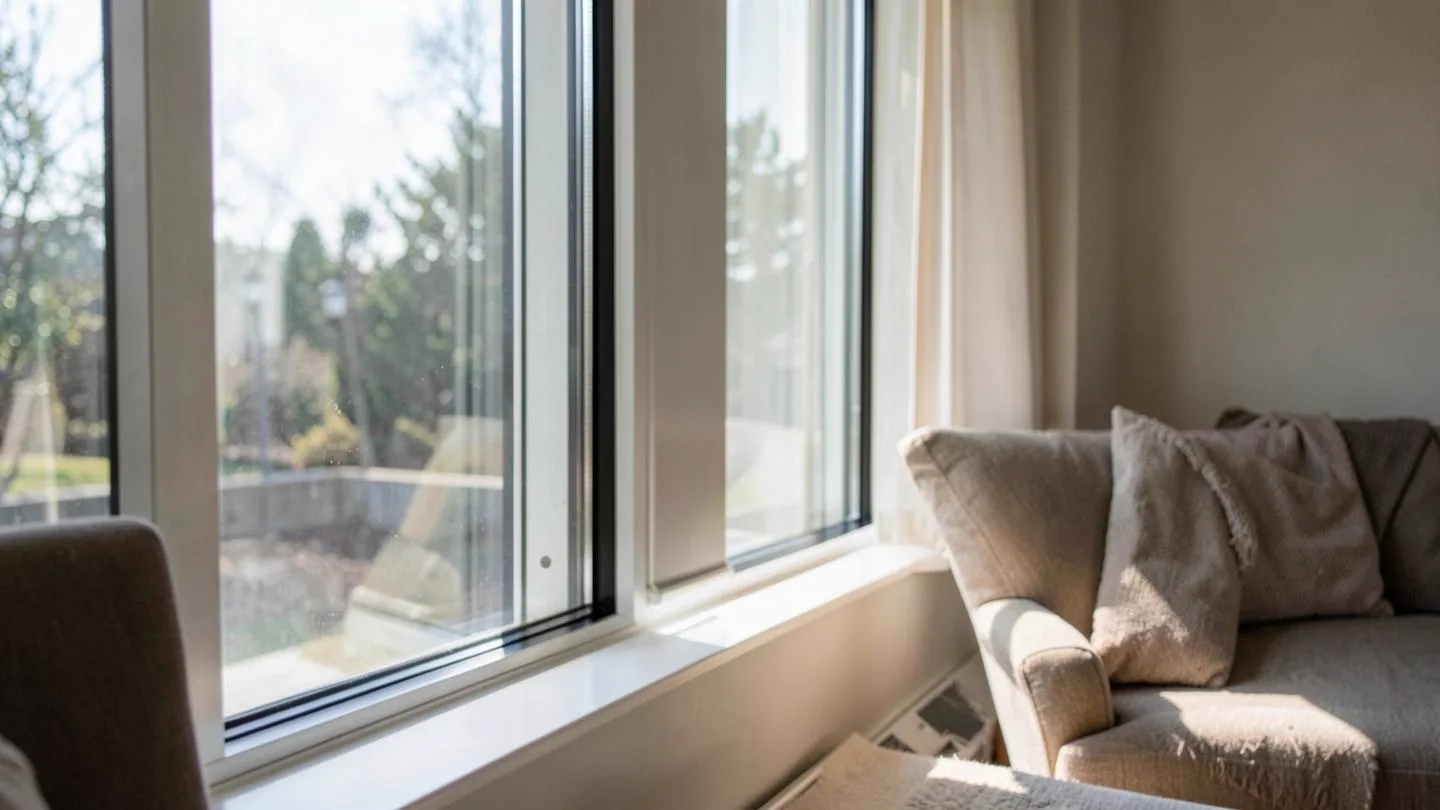
Look at the performance label rather than the marketing. U factor describes how well the window resists heat flow, and lower is better. Solar heat gain coefficient describes how much solar heat passes through, and the right value depends on whether your climate is cooling dominated or heating dominated. Then look at frame material, glazing and, above all, installation, because a well made window fitted badly will still leak air.
Key points
- U factor: lower is better in every climate.
- Solar heat gain: lower suits hot climates, higher can help in cold ones.
- A poor installation undoes the performance you paid for.
Reading the label
- U factor, the rate of heat loss, where a lower number performs better
- Solar heat gain coefficient, the fraction of solar heat admitted
- Visible transmittance, how much daylight comes through
- Air leakage, where a lower rating means a tighter unit
Match the choice to your climate
In hot, cooling dominated climates, keeping solar heat out usually matters most, so a low solar heat gain coefficient is the priority, particularly on sun facing elevations. In cold, heating dominated climates a low U factor matters most, and some solar gain on south facing windows can be useful. Mixed climates are a balance, and orientation of each elevation is part of the decision.
Want quotes on replacement windows?
Find window helpFrames and glazing
- Vinyl, fibreglass, wood, clad wood and aluminium each trade off cost, maintenance and thermal performance
- Double glazing is standard, and triple glazing is more common in cold climates
- Low emissivity coatings and gas fills improve performance without changing the look
- Warm edge spacers reduce heat transfer at the edge of the glass
Installation is part of the product
Ask how the opening will be prepared, how the unit will be flashed and sealed, and what happens if rot is found in the frame once the old window is out. Ask what the installer warrants separately from what the manufacturer warrants, because those are two different promises.
Common questions
- Will new windows pay for themselves in energy savings?
- Treat energy savings as one benefit among several, alongside comfort, noise and condensation. Savings depend heavily on the windows being replaced, your climate and your energy prices, so be sceptical of a specific promised payback.
- Are there incentives for efficient windows?
- Programs exist at federal, state and utility level and they change. Check current eligibility before you buy rather than relying on what a contractor says is available.