
In-state and state-to-state moves: what changes
The practical differences between a move within your state and a move across a state line, from pricing to delivery windows to paperwork.
By Elijah Canfield, Founder, Hire Best Pros · Updated August 24, 2026
Elijah Canfield is the founder of Hire Best Pros. He writes and edits the site's consumer guides, with a focus on how home service and moving projects are priced, scoped and compared.
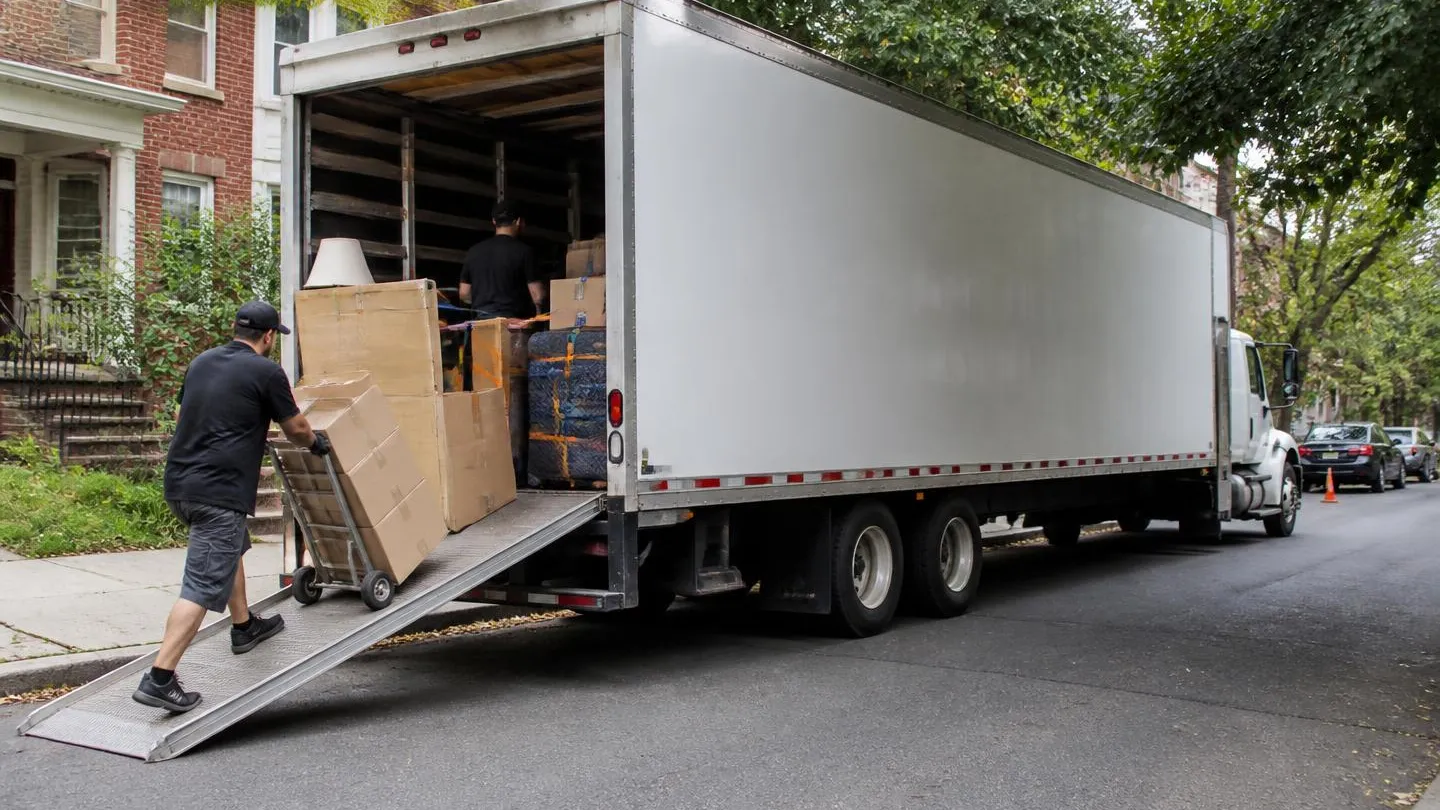
If both addresses are in the same state, you are making an in-state move: usually hourly, usually completed in a single day, and typically regulated at the state level. If the addresses are in different states, you are making a state-to-state move: usually priced by distance and weight or volume, often delivered in a window rather than on an exact day, and subject to federal rules for household goods carriers.
Key points
- Same state means hourly and same-day in most cases.
- Different states means a delivery window and weight or volume pricing in most cases.
- Interstate household goods carriers operate under federal registration requirements.
- The paperwork you sign at pickup matters more on an interstate move.
How the day itself differs
An in-state move usually loads and unloads on the same day with the same crew. The clock starts when the crew begins and runs through travel between the two addresses.
A state-to-state move separates pickup from delivery. Your shipment may travel with other shipments, and the company gives you a delivery window rather than a promise of a specific hour. Plan for that gap with a suitcase of what you need in the meantime.
Paperwork worth reading on an interstate move
- The estimate, and whether it is binding, not-to-exceed or non-binding
- The order for service, which lists the agreed dates and services
- The bill of lading, which is the contract and the receipt
- The inventory sheet describing the condition of your items at pickup
- The valuation option you selected, since the default coverage is limited
Verifying an interstate mover
Companies that transport household goods across state lines are required to be registered with the federal government and carry a USDOT number. You can look up a company's registration and complaint history before you book. Do that check yourself rather than relying on a logo on a website.
Not sure which type of move you have?
Find your move typeCommon questions
- What if I move a short distance but cross a state line?
- Crossing the line generally makes it an interstate move even if the drive is short, which changes the rules the carrier operates under. Ask the company how they are handling and pricing it.
- Why can't a mover promise an exact delivery date across states?
- Interstate shipments are often consolidated and routed with other loads, so carriers commit to a window. If an exact date matters, ask about dedicated or expedited service and what it changes.
- Is my stuff insured during the move?
- Standard valuation coverage is not the same as insurance, and the default level is limited. Ask what the included valuation covers, what full value protection would cost, and whether your own policy offers anything during transit.
How this guide was written
This guide is general information, not professional advice for your specific situation. Read our editorial standards.