
Metal roofing basics
How metal roofing differs from shingles, whether it can go over an existing roof, what TPO is used for, and the winter maintenance a metal roof actually needs.
By Elijah Canfield, Founder, Hire Best Pros · Updated August 26, 2026
Elijah Canfield is the founder of Hire Best Pros. He writes and edits the site's consumer guides, with a focus on how home service and moving projects are priced, scoped and compared.
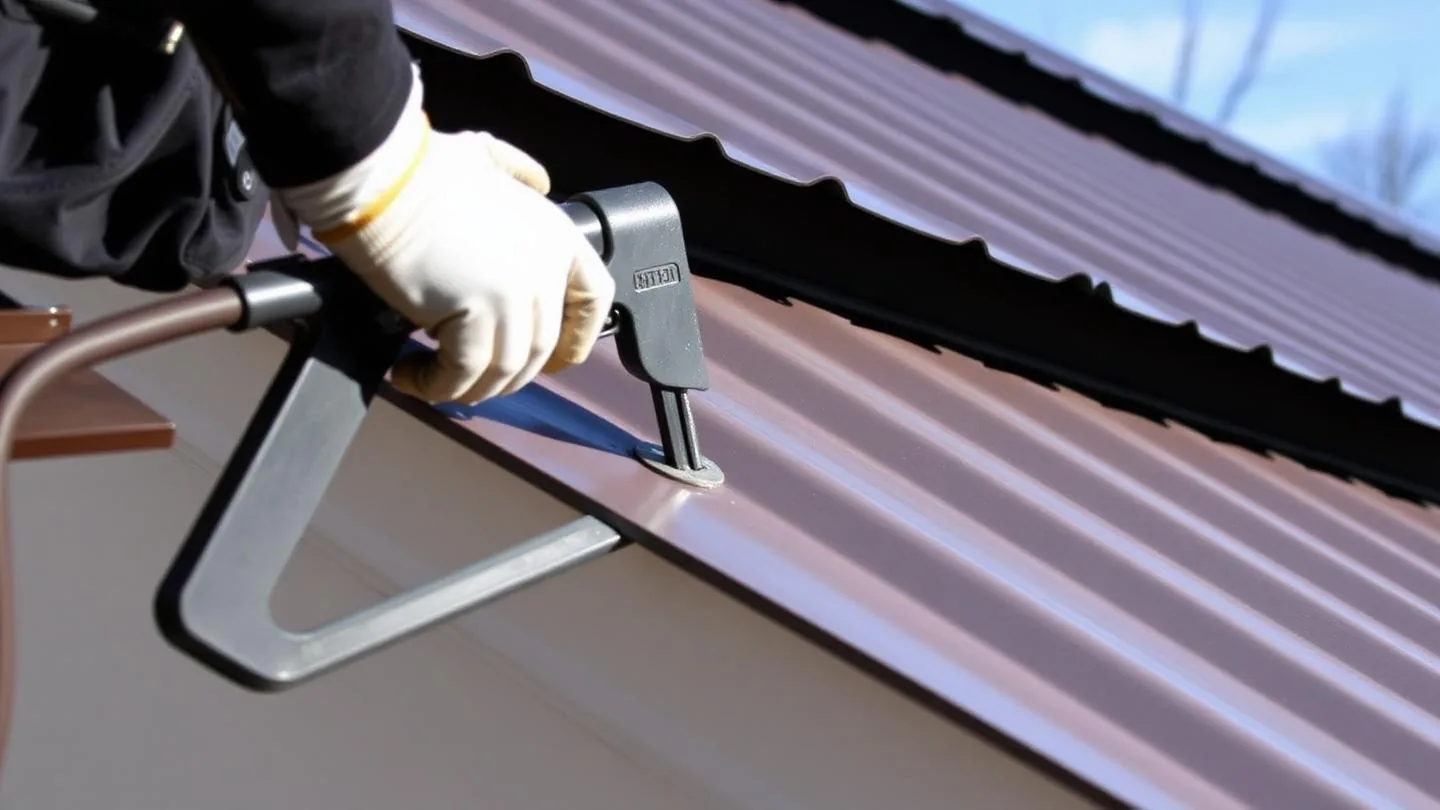
Metal roofing covers several distinct products: exposed fastener panels, standing seam with concealed clips, and metal shingles. It can sometimes be installed over existing shingles where local code and the roof structure allow, but the decision belongs to an inspection rather than a rule of thumb. TPO is a different product entirely, a single ply membrane used on flat and low slope roofs.
Key points
- Standing seam hides its fasteners, which removes the most common leak path.
- Metal moves with temperature. The details that allow that movement matter.
- Over shingle installs depend on code, decking condition and structure.
The main metal roof types
| System | How it fastens | What to ask about |
|---|---|---|
| Exposed fastener panel | Screws through the panel face with washers | Washer life and a re-torque schedule |
| Standing seam | Concealed clips under the seam | Clip type, panel gauge and expansion detail |
| Metal shingle or tile | Interlocking courses | Walkability and repair method |
Can metal go over existing shingles?
Sometimes. It depends on how many layers are already there, what local code permits, whether the decking is sound and whether the framing can carry the added load. An over shingle install usually needs furring strips or an underlayment layer so the panels sit flat and can breathe.
The risk of skipping tear off is that nothing under the new roof gets inspected. If there is soft decking, prior leak damage or failed flashing, it stays there under a new roof.
Want an inspection before you decide?
Find roofing helpWhere TPO fits
TPO is a single ply membrane used on flat and low slope areas: additions, porch roofs, garages and commercial style buildings. It is heat welded at the seams rather than fastened like a panel, so the seam work is the part that decides how long it lasts.
If your home has both a pitched roof and a flat section, expect two different products and two different maintenance schedules.
Winter and ongoing maintenance
- Clear valleys and gutters before the first freeze so meltwater has somewhere to go
- Check exposed fasteners for backed out screws and cracked washers each year
- Look for scratches or coating damage after storms and touch them up
- Keep branches trimmed back, since metal shows abrasion over time
- Never chip ice off panels with metal tools, which damages the finish
Common questions
- Is a metal roof noisier in rain?
- Over solid decking with underlayment and attic insulation, the difference most homeowners notice is small. Bare panels over open framing, such as on a barn or carport, are much louder.
- How does metal roofing compare with asphalt shingles?
- Metal generally costs more up front and is expected to last longer, while asphalt is less expensive to install and easier to repair or match. Metal also handles snow shedding well and comes in profiles that suit different roof shapes. The right answer depends on your roof pitch, how long you plan to stay and your budget.
- What should I look for in a metal roofing contractor?
- Ask specifically about metal experience, since it is a different craft from shingles. Ask to see local jobs in the same panel type, and confirm details such as fastener type, panel gauge and finish, underlayment, flashing and trim at valleys and penetrations, and how expansion is handled. The details at the edges are where metal roofs succeed or leak.
- Does a metal roof affect home insurance?
- Insurers weigh roof material, age and condition differently, and some regions treat impact or fire resistant roofing differently than others. Ask your insurer directly what documentation they want after installation. Keep the invoice, product specification and installation date, since those are what a carrier typically asks for.