
Preparing your house for a new roof
What to move, cover and confirm before a roofing crew arrives, what the noise and debris are actually like, and how to protect the yard, attic and vehicles.
By Elijah Canfield, Founder, Hire Best Pros · Updated August 26, 2026
Elijah Canfield is the founder of Hire Best Pros. He writes and edits the site's consumer guides, with a focus on how home service and moving projects are priced, scoped and compared.
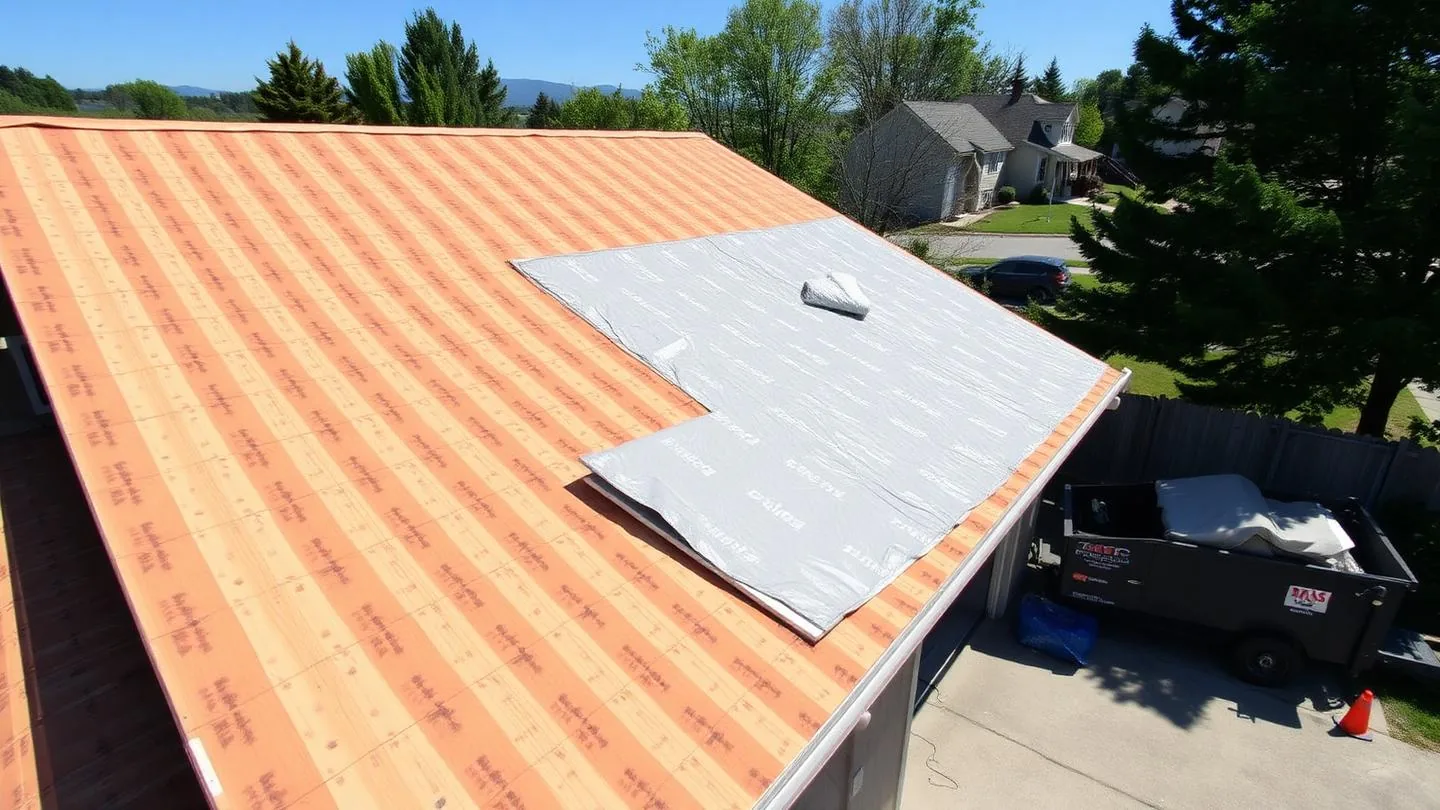
A tear off shakes the whole house. Before the crew arrives, clear vehicles and patio furniture well away from the drip line, cover stored items in the attic and garage, take fragile things off walls, and confirm where the dumpster and material drop will sit. Plan for a loud day, restricted driveway access and nails in the yard until the final magnet sweep.
Key points
- Vibration travels indoors. Anything hanging or shelved should come down.
- Attic storage collects debris during tear off. Cover it.
- Agree in writing where the dumpster and materials go before day one.
Outside the house
- Park vehicles on the street, away from the roof edge and the dumpster
- Move patio furniture, grills, planters and anything breakable at least ten feet out
- Take down wind chimes, hanging baskets and exterior decor
- Cover pool equipment, AC condensers and delicate plantings with tarps
- Point out sprinkler heads, septic lids and soft ground the crew should avoid
Inside the house and the attic
Tear off drops decades of dust and shingle grit through the decking. Anything stored uncovered in the attic will need cleaning afterward, so sheet it in plastic or move it.
Indoors, take pictures and mirrors off shared walls, secure shelves and expect ceiling fans and light fixtures to shed a little dust. If someone works from home, plan the day elsewhere.
Confirm these with the contractor first
- Start time, expected duration and the plan if weather interrupts
- Where the dumpster, materials and portable toilet will be placed
- How decking damage found after tear off is priced and approved
- Whether power outlets or water access are needed
- How cleanup and magnet sweeps are handled at the end of each day
Ready to schedule the work?
Find roofing helpPets, children and neighbors
Hammering, compressors and falling debris are stressful for animals and small children. Plan the day off site if you can.
Give the neighbors a heads up, especially about early start times and shared driveways. It costs nothing and prevents most complaints.
Common questions
- What should I confirm with the roofer the week before?
- Confirm the start date and weather backup plan, where the dumpster and materials will sit, which driveway access they need, working hours, how they protect landscaping and siding, whether decking replacement is priced per sheet, and who is on site as the point of contact. Getting those settled early prevents most first morning friction.
- Do I need to move my car or move out?
- You do not need to move out, but plan to park on the street or away from the house so the driveway stays clear for the dumpster, delivery and crew. Expect noise and vibration throughout the day. If anyone in the household works from home, keeps unusual hours or is sensitive to noise, plan around the schedule.
- How should I protect what is inside the house?
- Hammering shakes the structure, so take down mirrors and wall hangings, secure items on high shelves, cover stored belongings in the attic and garage, and move fragile pieces off the top of furniture. Dust falls through attic gaps, so cover anything you would not want to clean afterward.
- What should happen at the end of the job?
- Expect a magnet sweep of the yard and driveway for nails, removal of all debris and the dumpster, gutters cleared of shingle granules and scraps, and a walkthrough with photos of the completed work including flashing and ventilation. Confirm warranty registration and hold final payment until the walkthrough is done.