
Protecting your chimney from water damage
Why chimneys leak more often than roofs do, the four parts that fail, and the maintenance that keeps water out of masonry.
By Elijah Canfield, Founder, Hire Best Pros · Updated August 26, 2026
Elijah Canfield is the founder of Hire Best Pros. He writes and edits the site's consumer guides, with a focus on how home service and moving projects are priced, scoped and compared.
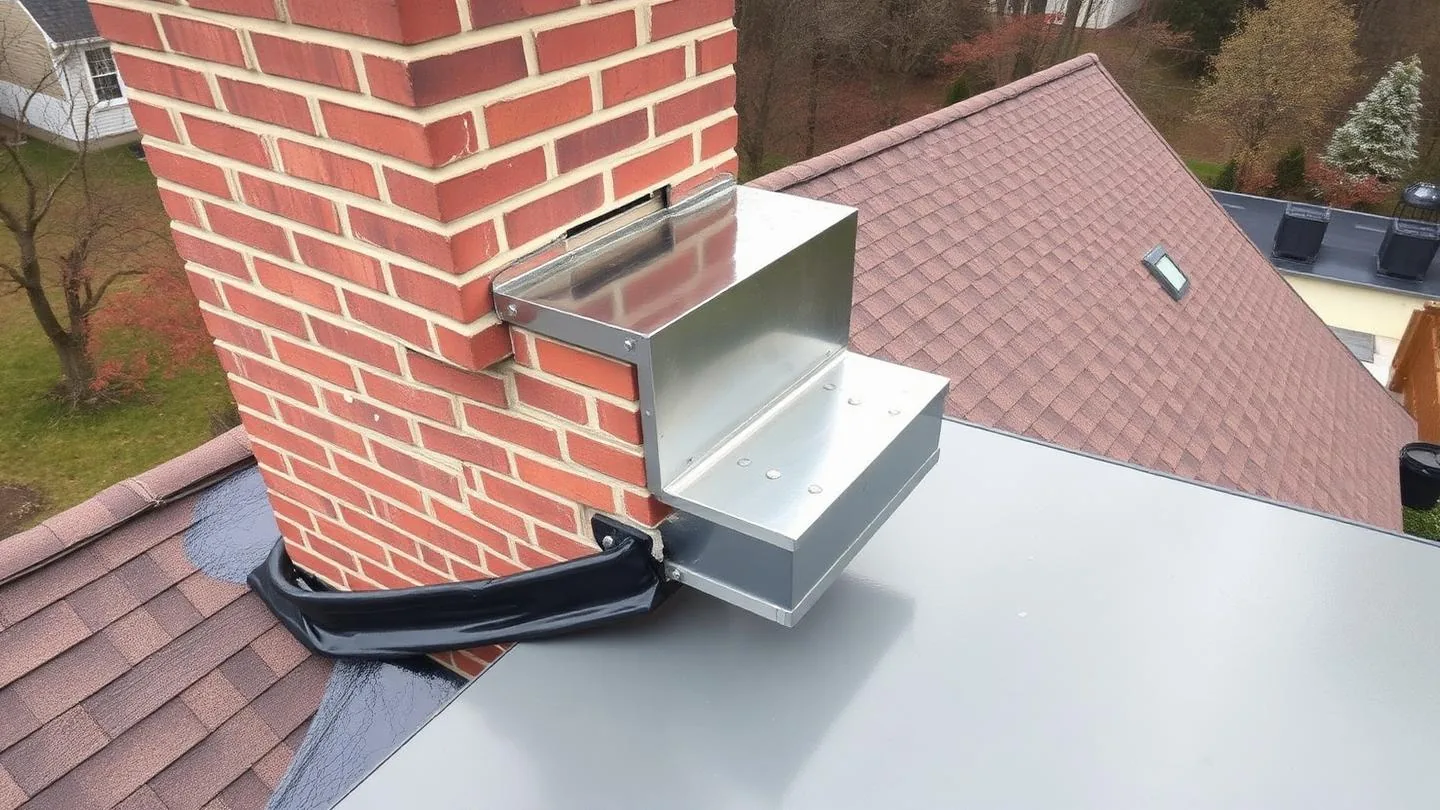
A chimney is the most exposed masonry on a house and the most common source of a roof leak that is not the roof. Water gets in through a cracked crown, a missing or ill fitting cap, deteriorated mortar joints, or failed step and counter flashing where the chimney meets the roof. Each has a defined fix, and none of them improve by waiting.
Key points
- A stain on the ceiling near a chimney is usually flashing, not shingles.
- Freeze and thaw turns a small crack into spalled brick in a few winters.
- A cap is the cheapest part of the system and prevents the most damage.
The four failure points
- Crown: the concrete slab on top. Cracks let water into the masonry core.
- Cap: the metal cover over the flue. Without one, rain goes straight down.
- Mortar joints: deteriorated joints absorb water and spall the brick face.
- Flashing: step and counter flashing at the roof line, the most common leak source.
Signs you already have water in the masonry
Look for white powdery staining on the brick, faces of brick that have flaked away, rust at the damper, a musty smell at the firebox, or a ceiling stain in the room where the chimney passes through.
Inside the attic, check the framing around the chimney chase for dark staining. That is where the evidence shows first.
Seeing a stain near the chimney?
Find roofing helpMaintenance that keeps water out
- Install and keep a properly sized cap with a screen
- Repair crown cracks with a flexible crown sealant rather than patching mortar
- Repoint deteriorated joints before the brick face starts to spall
- Have flashing inspected whenever the roof is inspected
- Consider a vapor permeable masonry water repellent, never a film forming sealer that traps moisture
Common questions
- Can I seal a chimney with regular waterproofing paint?
- Film forming products trap moisture inside masonry and often accelerate spalling. Products intended for chimneys are vapor permeable so the brick can still dry outward.