
How to protect your roof from storm damage
What actually reduces storm damage to a roof, what to check before storm season, and what to do in the hours after a severe storm passes.
By Elijah Canfield, Founder, Hire Best Pros · Updated August 26, 2026
Elijah Canfield is the founder of Hire Best Pros. He writes and edits the site's consumer guides, with a focus on how home service and moving projects are priced, scoped and compared.
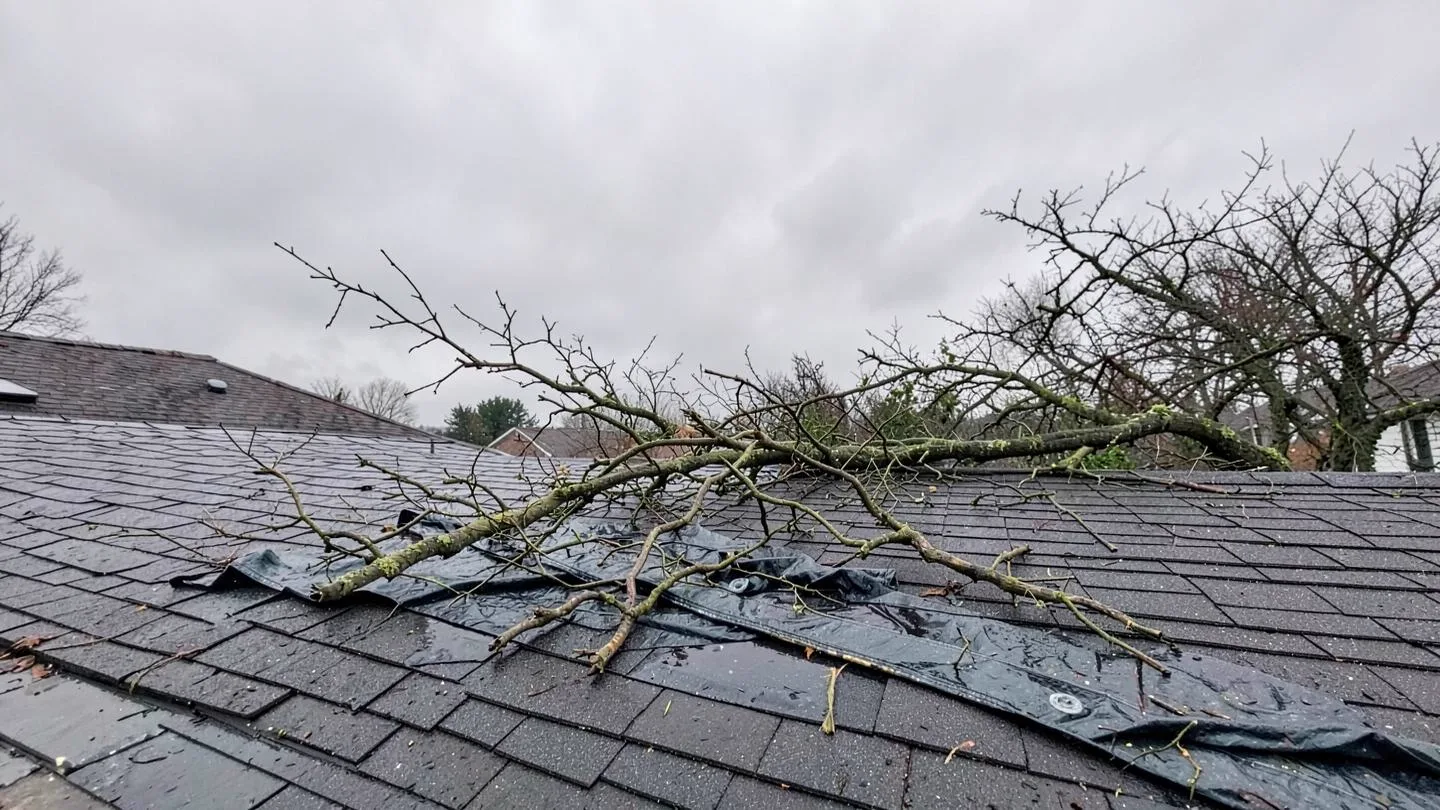
You cannot storm proof a roof, but you can remove the weaknesses that turn a storm into a claim. Keep the roof in good repair, secure the edges and flashing, clear gutters so water leaves quickly, trim branches that can strike or drop onto the roof, and secure loose items in the yard that become projectiles in high wind.
Before storm season
- Have a roofer look at flashing, edges and any previously repaired area
- Replace missing or lifted shingles, since wind gets under the edge first
- Clear gutters and confirm downspouts discharge away from the house
- Trim overhanging and dead branches near the roof
- Check attic ventilation and look for existing water staining
When a storm is forecast
- Bring in or secure furniture, bins, umbrellas and loose materials
- Close and secure windows and doors, including garage doors
- Park vehicles away from large trees where possible
- Charge devices and know where your shutoff valves and breakers are
Want the roof checked before the season?
Find roofing helpAfter the storm
- Stay clear of downed lines and do not walk a wet or damaged roof
- Look for missing shingles, displaced flashing and debris from the ground
- Check the attic and ceilings for new staining or damp
- Photograph everything and note the date before any cleanup
- Arrange a professional inspection and emergency tarping if needed
Common questions
- Do gutter guards help in a storm?
- They reduce clogging from leaves, which helps water leave the roof, but they still need checking. They are not a substitute for a sound roof edge and correct drainage away from the foundation.
- Is an older roof more likely to be damaged?
- Generally yes. Aged shingles are more brittle, seals are weaker and previously repaired areas are the first places wind and water find.