
How to tell if your roof is damaged
What roof damage looks like from the ground, from inside the attic and in the gutters, plus which findings justify an inspection right away.
By Elijah Canfield, Founder, Hire Best Pros · Updated August 26, 2026
Elijah Canfield is the founder of Hire Best Pros. He writes and edits the site's consumer guides, with a focus on how home service and moving projects are priced, scoped and compared.
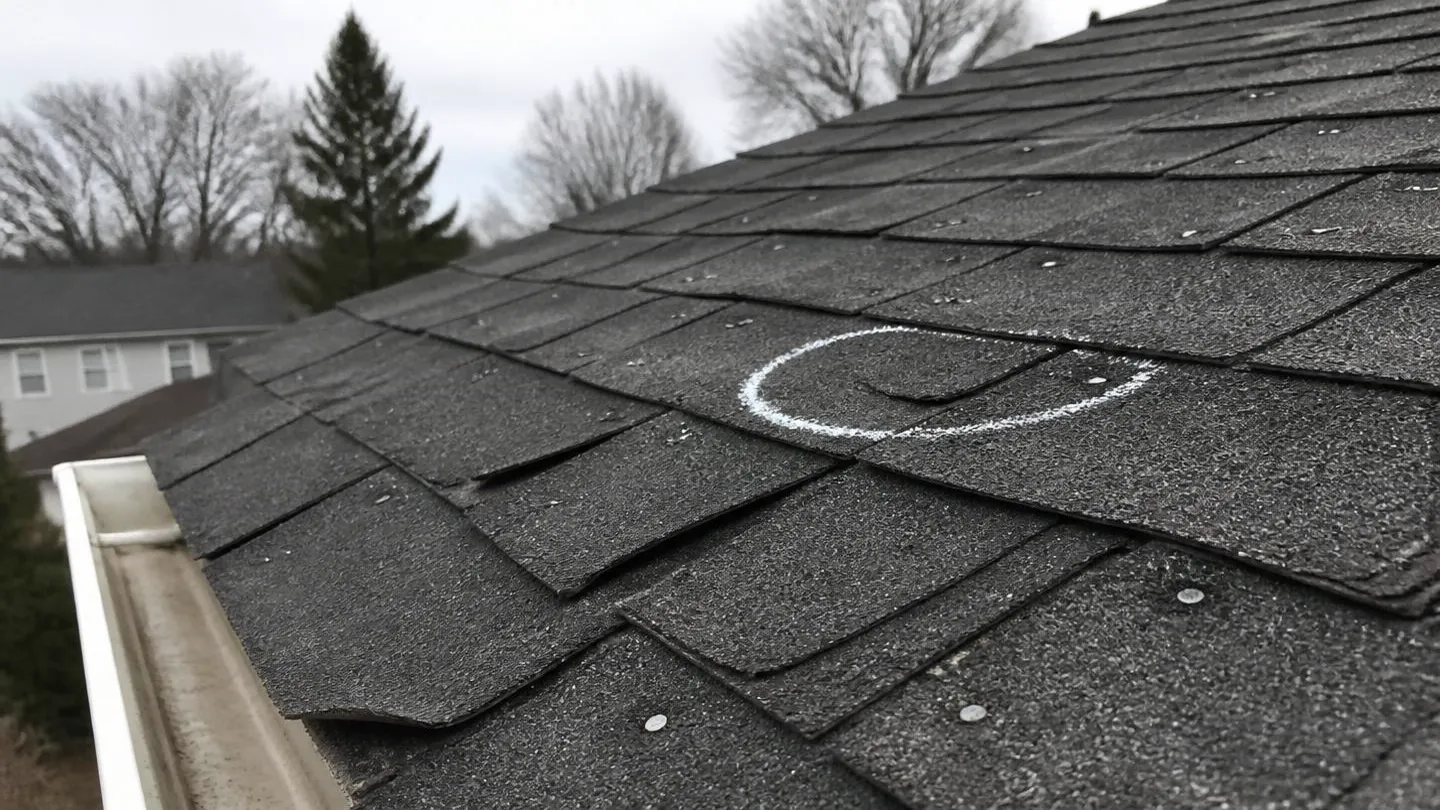
You can spot most roof problems without climbing anything. From the ground, look for missing, lifted, curled or discolored shingles, damaged flashing and a sagging roof line. Inside, look for daylight, staining and damp insulation in the attic. In the gutters, a heavy layer of granules means the shingle surface is wearing away.
Key points
- Stay on the ground. Binoculars and a phone camera see plenty.
- Attic evidence often shows up before ceiling stains do.
- Document what you find with dated photos, especially after a storm.
From the ground
- Missing, cracked, curled or lifted shingles, particularly along ridges and edges
- Dark patches where the surface granules have worn away
- Flashing that has lifted or separated at chimneys, walls and vent pipes
- A ridge line or roof plane that dips or waves
- Debris, moss or plant growth sitting in valleys
From inside the attic
- Daylight visible through the decking
- Water staining or streaks on rafters and sheathing
- Damp, compressed or discolored insulation
- A musty smell, or mold growth on the underside of the deck
In the gutters and around the house
A layer of shingle granules in the gutter is normal in small amounts after installation and concerning when it is ongoing. Shingle pieces, bent flashing or fasteners in the yard after a storm are a reason to have the roof looked at even if nothing is leaking yet.
Found something you do not like?
Find roofing helpWhat to do next
If the roof is actively leaking, our guide on what to do about a leaky roof covers the immediate steps. If the damage followed a storm, document it before anything is repaired and read our guide on hail roof damage before you talk to an insurer.
If you are weighing a patch against a full replacement, our roof repair or replacement guide walks through the factors that decide it.
Common questions
- Should I get on the roof to look?
- No. Roof falls are serious, and walking a damaged roof can make the damage worse. Inspect from the ground, from a stable ladder at the edge, or from the attic, and let a professional handle anything above that.
- How often should a roof be inspected?
- A yearly look and an extra check after any severe storm is a reasonable rhythm. Older roofs and roofs with a history of repairs benefit from a professional inspection rather than a visual pass.
- What should I do first if I think my roof is damaged?
- Document it before anyone touches it. Take dated photos from the ground and from inside the attic, note when you first saw the problem, and contain any active leak with a bucket and by moving belongings. Then book an inspection. If a storm caused it, keep that documentation for the insurance conversation as well.
- Should I call a roofer or my insurance company first?
- It is reasonable to get an independent roofer to look first so you understand what is actually wrong and how large the repair is. That way the claim conversation, if you have one, is based on a professional assessment rather than a guess. Be cautious with anyone who knocks on the door after a storm and offers to handle the claim for you.