
Common summer roofing problems
Heat, storms, humidity and attic ventilation combine to expose roof weaknesses in summer. Here is what those symptoms usually point at.
By Elijah Canfield, Founder, Hire Best Pros · Updated August 26, 2026
Elijah Canfield is the founder of Hire Best Pros. He writes and edits the site's consumer guides, with a focus on how home service and moving projects are priced, scoped and compared.
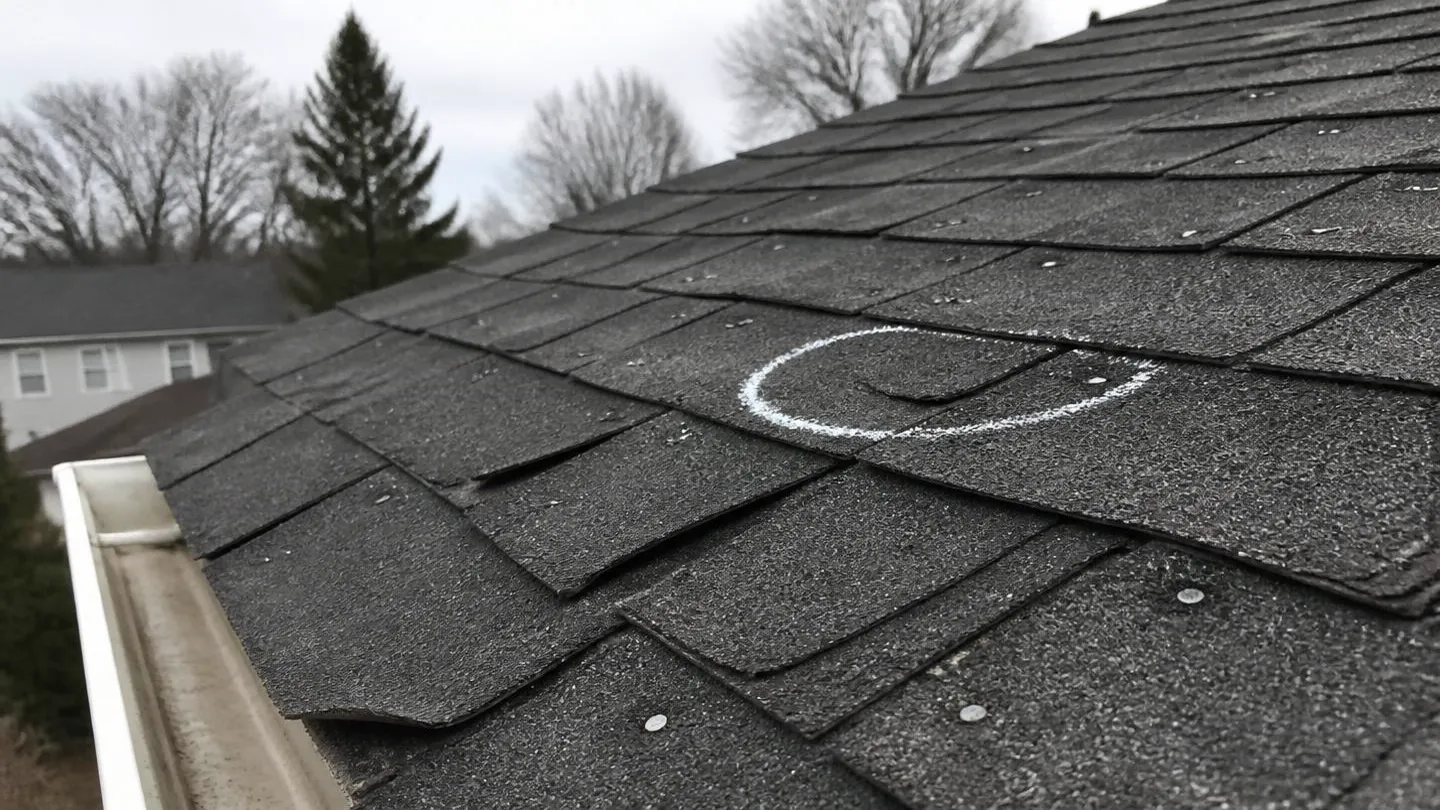
Summer stresses a roof through heat cycling, ultraviolet exposure, storm wind and moisture. The usual results are blistering and cracking shingles, lifted or loosened fasteners, failed sealant at flashing, moisture and mold in a poorly ventilated attic, and wind damage that leaves shingles displaced without an obvious leak.
Heat and sun
- Blistering, cracking or curling shingles on the sun facing slopes
- Sealant at flashing and penetrations drying out and pulling away
- Fasteners backing out slightly as materials expand and contract
- Accelerated aging where an attic runs very hot from poor ventilation
Storms and wind
Summer storms lift and crease shingles even where nothing has blown off. A creased shingle has lost its seal and will let water under it in the next driving rain. After a significant storm, a ground level inspection and photos are worth the time, and our guide to protecting your roof from storm damage covers the preparation side.
Storm passed through your area?
Find roofing helpAttic heat and moisture
- An attic that is dramatically hotter than outdoor air suggests blocked or insufficient ventilation
- Condensation and mold on the underside of the deck point to moisture with nowhere to go
- Bathroom or dryer vents discharging into the attic instead of outside are a common and fixable cause
What to do about it
Most summer findings are small if they are caught in summer and expensive if they are found in winter. Clear debris from valleys and gutters, keep overhanging branches trimmed back, and have anything you cannot see verified by a roofer. Our roof maintenance guide covers the year round routine.
Common questions
- My shingles look fine from the ground after a storm. Do I still need an inspection?
- If the storm involved high wind or hail, it is worth having someone look. Creased shingles and bruised granule loss are hard to see from the ground and are exactly the damage that shows up as a leak months later.