
Preventive appliance maintenance
Simple, regular maintenance for the appliances that fail most expensively, plus the warning signs that mean it is time to call a repair pro.
By Elijah Canfield, Founder, Hire Best Pros · Updated September 8, 2026
Elijah Canfield is the founder of Hire Best Pros. He writes and edits the site's consumer guides, with a focus on how home service and moving projects are priced, scoped and compared.
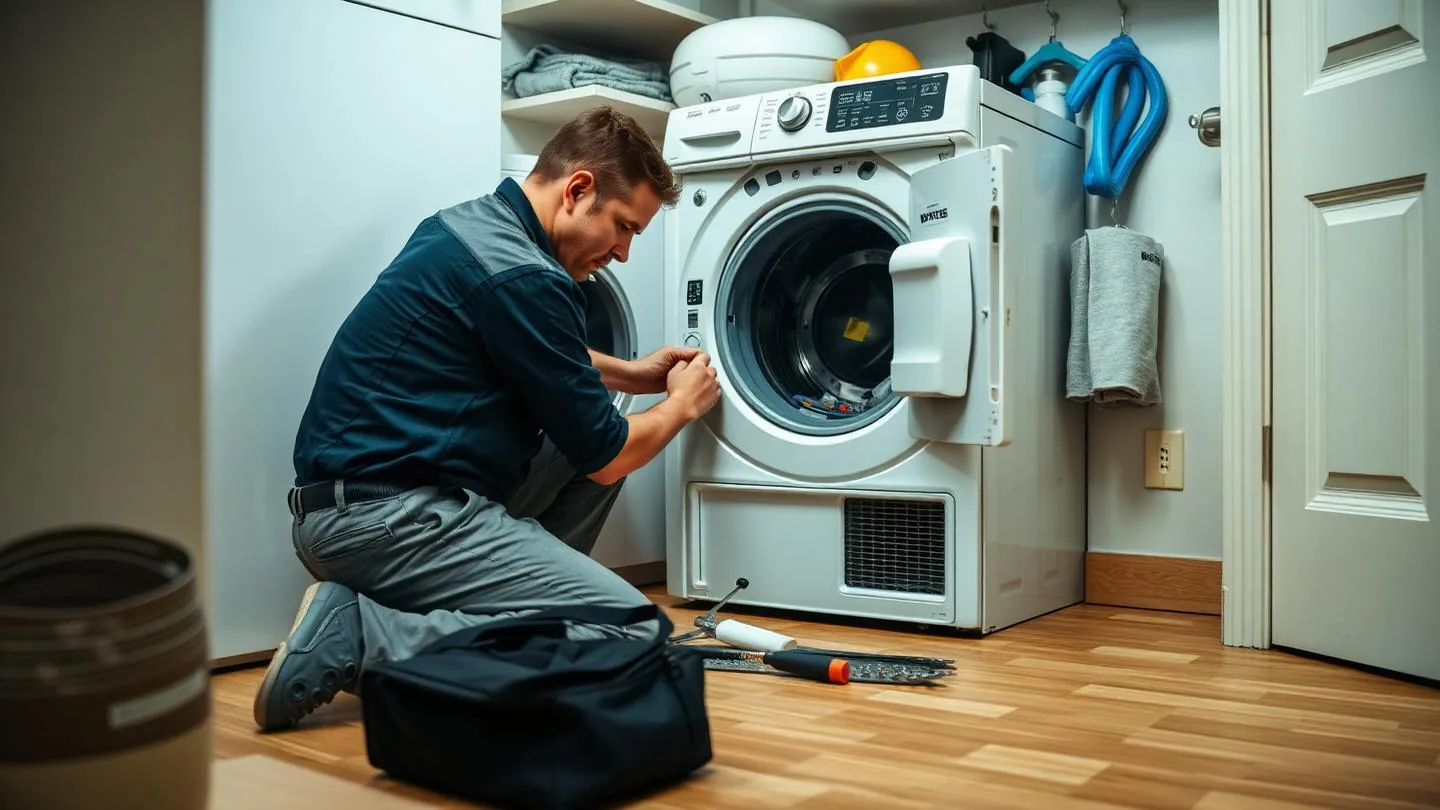
Most appliance failures trace back to restricted airflow, blocked drainage, scale from hard water or a filter nobody changed. Cleaning coils, clearing lint, flushing sediment and checking hoses on a routine takes minutes and prevents the failures that end in water damage or a replacement.
Key points
- Airflow, drainage and water quality cause most avoidable failures.
- Rubber supply hoses age out. Replace them before they teach you why.
- Noise, smells and longer cycle times are early warnings, not quirks.
Refrigerator
- Vacuum the condenser coils so the compressor is not fighting dust
- Keep clearance around the vents at the back and top
- Clean the door gaskets and check the seal closes evenly
- Clear the defrost drain if water pools in the bottom of the fridge
Washer and dryer
- Clean the dryer lint screen every load, and have the vent duct cleared periodically
- Inspect washer supply hoses for bulges, cracking and rust at the fittings
- Leave a front load washer door ajar between loads so the gasket dries
- Clean the washer gasket and drain filter to prevent odor and clogs
- Level both machines so they are not walking or vibrating the floor
Dishwasher
- Clear the filter at the base of the tub on a routine
- Check the spray arm holes for blockages
- Wipe the door seal and inspect it for splits
- Run a cleaning cycle if you are on hard water
Range, oven and hood
- Degrease the hood filters so the fan can actually move air
- Keep burner ports clear on gas ranges
- Avoid heavy self clean cycles right before a holiday, since that is when older elements fail
Water heater and water quality
Sediment collects at the bottom of a tank water heater and makes it work harder. Hard water accelerates scale in every water using appliance, including the dishwasher, the washer and the coffee maker.
If you see white crusting on fixtures and short appliance lifespans, water hardness is worth testing before you replace anything.
Water heater or plumbing acting up?
Find a plumberWhen to stop maintaining and call someone
- Burning smells, scorch marks or a breaker that trips when the appliance runs
- Gas odor near any gas appliance, which is an immediate call, not a project
- Water on the floor, inside a cabinet or behind the machine
- Cycles that take far longer than they used to, or a fridge that never rests
Repair or replace?
Get appliance repair quotesCommon questions
- How often should appliance maintenance happen?
- Lint screens every load, filters and gaskets monthly, coils and vents a couple of times a year, and hoses inspected annually with replacement when they show age.
- Does maintenance really extend appliance life?
- It prevents the specific failure modes that end appliance life early: overheating from blocked airflow, corrosion from trapped moisture, and pump or valve failures caused by debris and scale.
- When is repair not worth it?
- When the repair approaches the cost of replacement on an appliance already near the end of its expected life, or when the same component has failed repeatedly.