
Costly home renovation mistakes
Vague scope, mid project changes, skipping permits, choosing on price alone and underestimating disruption. The errors that cost the most and how to sidestep them.
By Elijah Canfield, Founder, Hire Best Pros · Updated August 26, 2026
Elijah Canfield is the founder of Hire Best Pros. He writes and edits the site's consumer guides, with a focus on how home service and moving projects are priced, scoped and compared.
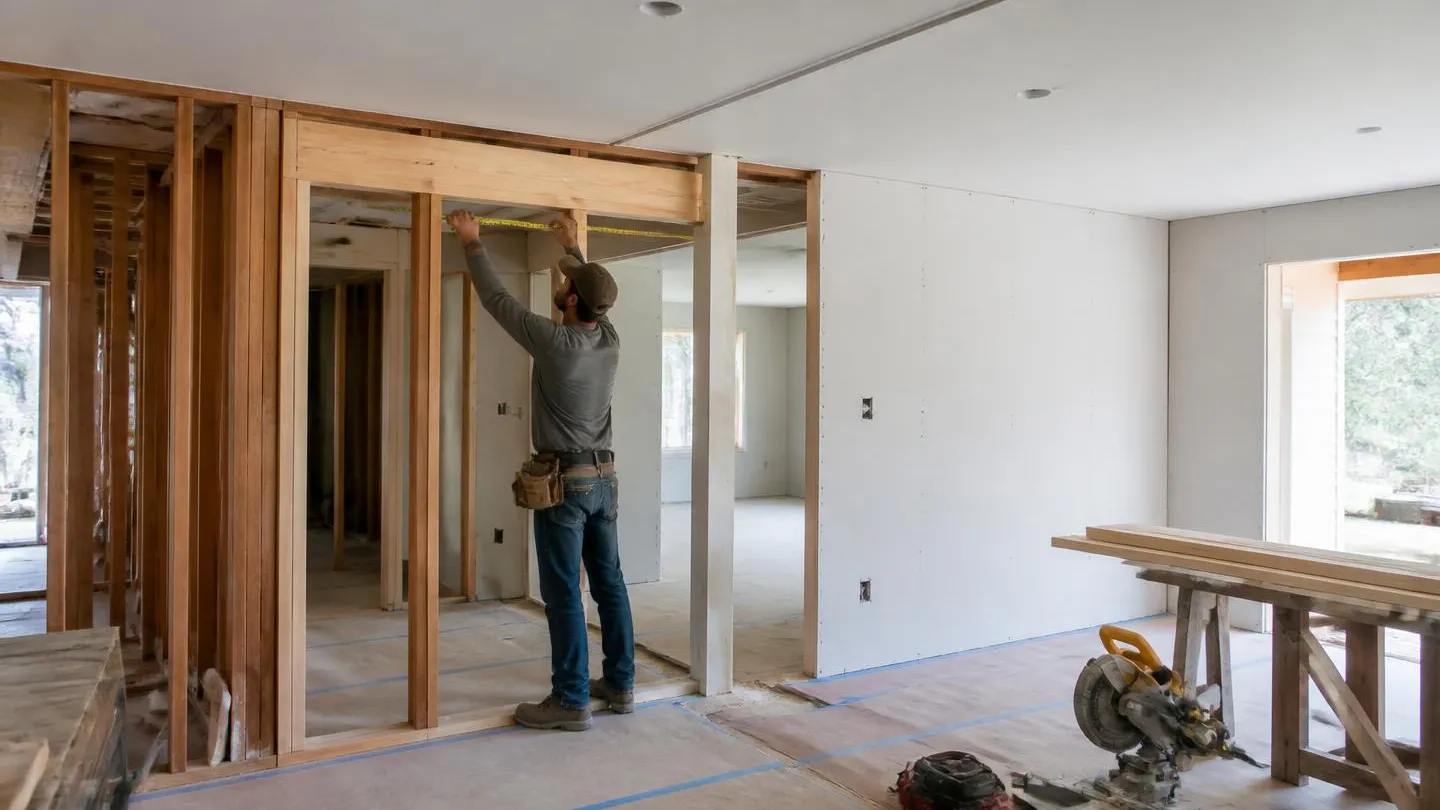
Most expensive renovation mistakes are decision mistakes made before the work starts: an undefined scope, a budget with no contingency, a contractor chosen on price alone, and permits skipped to save time. The other big one happens during the project, when changes are made verbally and priced after the fact.
The mistakes
- Starting without a written scope, so every bid describes a different project
- Choosing the lowest bid without finding out what it excludes
- Skipping permits, which can create problems at inspection, insurance and resale
- Changing decisions after work has started, which is the most expensive time to change anything
- No contingency, so the first surprise stalls the project
- Underestimating disruption and having no plan for cooking, washing or working during the project
- Ignoring the boring systems: wiring, plumbing, insulation and ventilation that are cheap to fix while open and expensive later
- Over improving for the neighborhood without deciding whether the goal is enjoyment or resale
How to avoid most of them
- Write the scope and finalize selections before demolition day
- Bid the same scope to three contractors and compare line by line
- Ask who pulls the permit and confirm it was pulled
- Agree a written change order process and use it for everything
- Set a contingency and leave it alone
- Ask what the crew will open up and what they want to check while it is open
Planning a renovation properly?
Find remodeling helpCommon questions
- Is it really a problem to skip a permit?
- It can be. Unpermitted work can complicate insurance claims, create issues when you sell, and force removal or rework if it is discovered. Ask your contractor what is required locally and keep the paperwork.