
Home repairs you should not postpone
Roof leaks, active plumbing leaks, electrical heat, drainage against the foundation and failing heating equipment. Why these get more expensive the longer they wait.
By Elijah Canfield, Founder, Hire Best Pros · Updated August 26, 2026
Elijah Canfield is the founder of Hire Best Pros. He writes and edits the site's consumer guides, with a focus on how home service and moving projects are priced, scoped and compared.
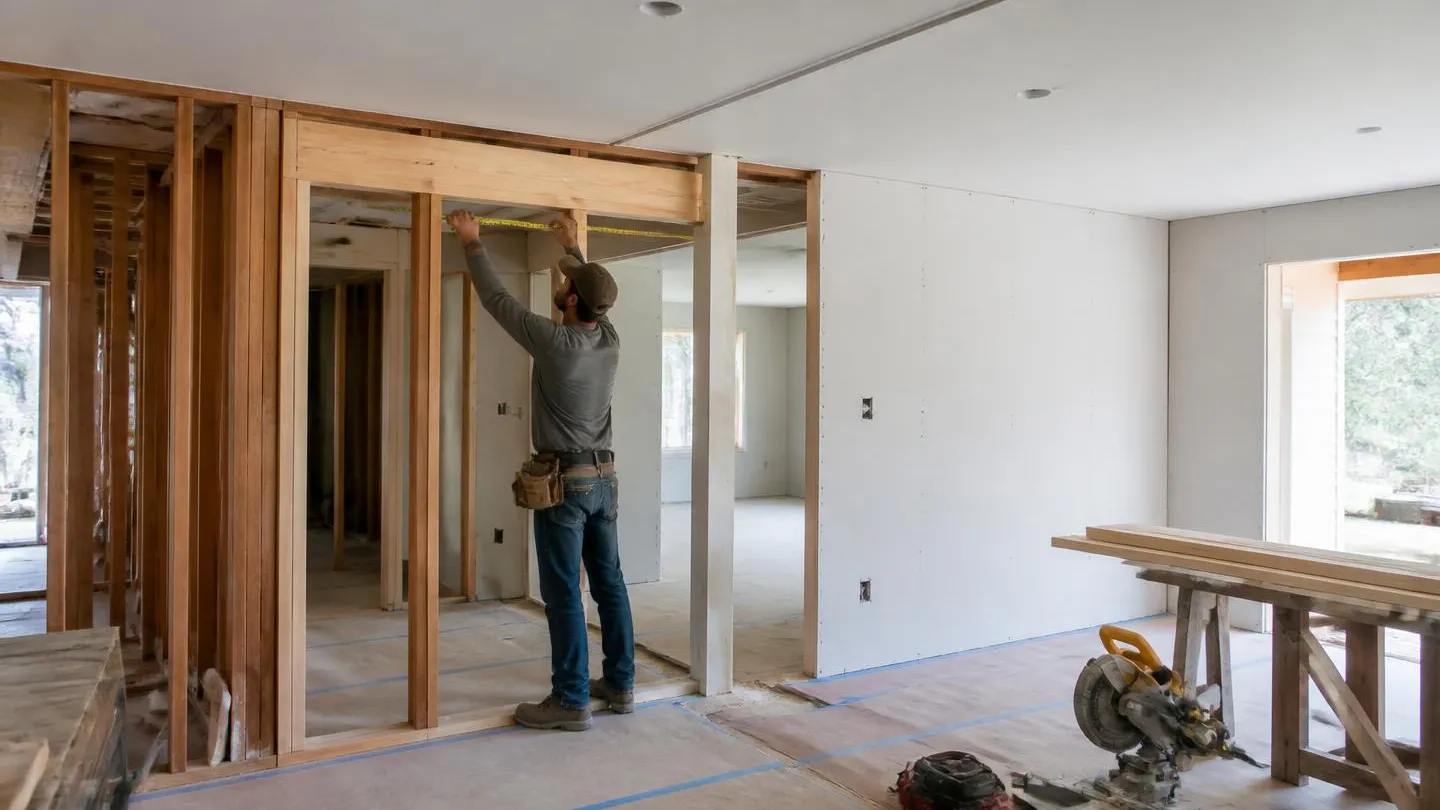
Some repairs are optional for a season and some compound daily. Anything letting water into the structure, anything producing heat or a burning smell in the electrical system, anything moving water toward the foundation and anything affecting safe heating in cold weather belongs at the front of the list, ahead of cosmetic work.
Water entering the building
A roof leak, a failed flashing detail or a window that leaks in driving rain does not stay a ceiling stain. It becomes wet insulation, damaged framing and eventually mold. Our guide on what to do about a leaky roof covers the immediate steps.
Water coming in somewhere?
Find roofing helpPlumbing leaks and drainage
- Active leaks under sinks, at supply lines and around water heaters
- Repeated sewer backups, which risk contamination as well as damage
- Gutters and downspouts discharging at the foundation
- Grading that slopes toward the house rather than away
Electrical warning signs
Warm outlets, burning smells, scorch marks and repeated breaker trips are not maintenance items to schedule for spring. Turn the circuit off and get them evaluated. Our guide on the signs of faulty wiring explains what each symptom usually indicates.
Heating, ventilation and safety equipment
- A furnace behaving abnormally before the cold season arrives
- Missing or non functioning smoke and carbon monoxide detectors
- Blocked dryer venting, which is both an efficiency and a fire concern
- Any gas smell, which means leaving the building and calling the utility first
How to triage the list
Rank by whether the problem is getting worse on its own, whether it affects safety, and whether it affects the building envelope or structure. Cosmetic work waits. Anything on the first three lists does not.
Common questions
- How do I prioritize when everything needs doing?
- Safety first, then anything letting water into the structure, then systems that will fail in the coming season, then everything else. Cosmetic improvements are the last category, even though they are usually the most tempting.
- What counts as a genuine emergency call?
- Active water entering the home, a gas smell, sparking or burning odors from outlets or the panel, sewage backing up into the house, no heat in freezing weather, and any structural movement should be treated as urgent. For gas or fire risk, leave and call the utility or emergency services first, then arrange the repair.
- What can I do while waiting for a professional?
- Stop the source where it is safe to do so. Shut off the water at the main or the fixture stop, switch off the affected breaker, contain water with towels and buckets, move belongings out of the area, and take dated photos for documentation. Do not open walls or attempt repairs on gas, sewer or panel equipment.