Appliance repair or replacement
How to weigh a repair against a replacement, which faults are commonly worth fixing, and what to have ready before a technician arrives.
By Elijah Canfield, Founder, Hire Best Pros · Updated August 27, 2026
Elijah Canfield is the founder of Hire Best Pros. He writes and edits the site's consumer guides, with a focus on how home service and moving projects are priced, scoped and compared.
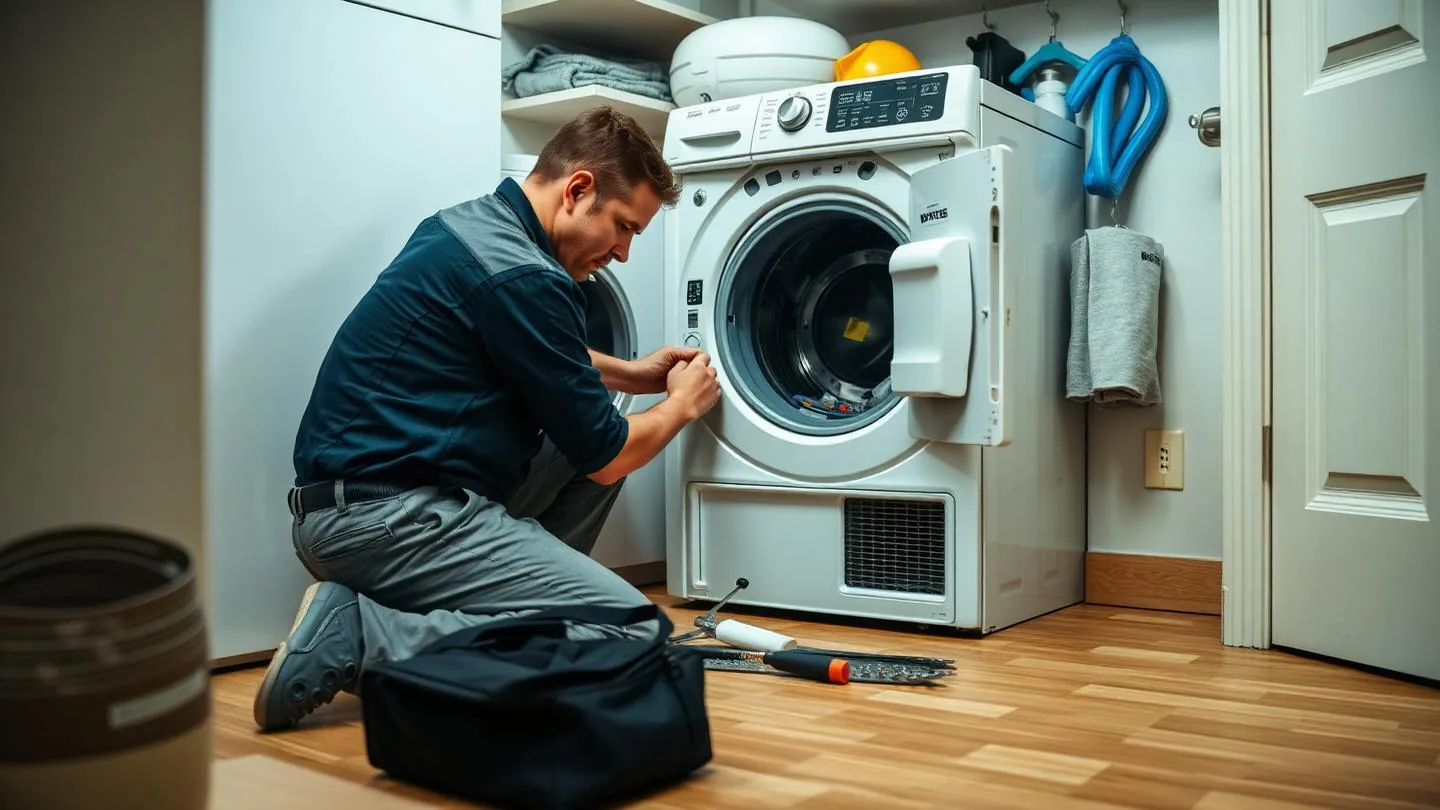
Repair when the appliance is well within its service life and the failed part is a common, accessible one. Lean toward replacement when a sealed system, compressor or control board fails on an older unit, when parts are discontinued, or when the repair approaches a large share of the price of a comparable new machine.
Key points
- Have the model and serial number ready. It decides parts availability.
- Sealed system failures on older refrigerators rarely justify repair.
- Ask whether the diagnostic fee is credited against the repair.
Usually worth repairing
- Washer and dryer belts, pumps, valves and heating elements
- Dishwasher spray arms, seals and drain pumps
- Oven igniters, elements and thermostats
- Refrigerator door seals, fans and defrost components
Usually points to replacement
- Compressor or sealed refrigerant system failure on an older unit
- Control board failure where the board costs a large share of a new machine
- Discontinued parts with no reliable equivalent
- A machine that has needed repeated repairs in a short period
Before the technician arrives
Write down the model and serial number, the exact symptom, any error codes and when the problem started. Clear access to the appliance and to the shutoff or outlet. Ask about the diagnostic fee, whether it applies to the repair, and what warranty covers the labor and the part.
Costs vary based on location, project size, materials, complexity, access and the provider you hire.
Need a repair pro?
Find local prosCommon questions
- When is an appliance repair worth paying for?
- Repair usually wins when the appliance is well within its expected service life, the failed part is a common wear item such as a pump, igniter, belt, valve or control board, and the quote is modest against the cost of a comparable new unit. Also weigh how well it has performed. A reliable machine with one failure is a better repair candidate than one that has needed attention repeatedly.
- What information does the technician need before the visit?
- Have the brand, model and serial number ready, plus the age of the unit and a plain description of the symptom, including any sounds, error codes, smells or leaks. Note whether the problem is constant or intermittent. That detail helps the technician bring likely parts on the first trip instead of scheduling a second visit.
- Is a diagnostic fee normal?
- Yes. Most appliance companies charge to diagnose, and many apply that fee toward the repair if you go ahead. Ask how the fee works when you book, whether it covers multiple appliances at the same visit, and whether the quoted repair price is firm once the cause is known.
- Does an extended warranty change the decision?
- Check coverage before scheduling anything. Manufacturer warranties often cover specific components for longer than the general term, and store or card protection plans may require you to use an approved servicer. Using the wrong company first can cost you coverage you already paid for, so make the call before the repair is booked.