
Clearing a clogged shower drain
What causes shower drain clogs, the order of steps that works, why chemical cleaners are a poor first choice, and the signs the blockage is deeper.
By Elijah Canfield, Founder, Hire Best Pros · Updated August 26, 2026
Elijah Canfield is the founder of Hire Best Pros. He writes and edits the site's consumer guides, with a focus on how home service and moving projects are priced, scoped and compared.
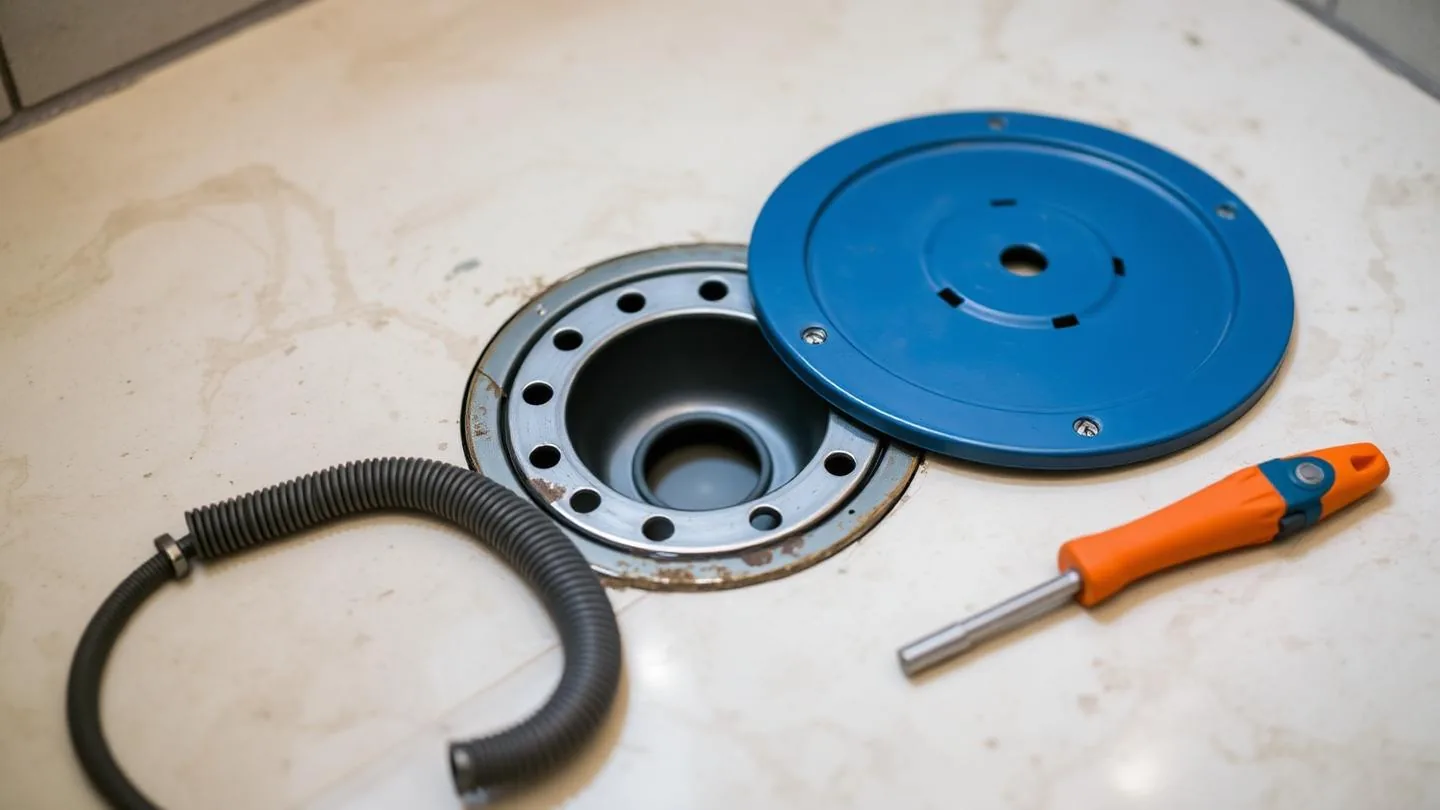
Shower clogs are almost always hair bound with soap residue sitting just below the strainer. Remove the strainer and clear what you can reach by hand or with a hair removal tool, then use a small drain snake through the opening. Skip chemical drain cleaner, and call a plumber if the water backs up into other fixtures or the clog returns quickly.
Key points
- Most shower clogs sit within the first foot of pipe.
- Chemical cleaner sits on a hair mat and attacks the pipe instead.
- Several slow fixtures at once means the problem is past the shower.
Step by step
- Remove the strainer, which usually lifts out or comes off with one screw
- Pull the visible hair mat with gloves or a barbed plastic hair tool
- Flush with hot water and see whether flow returns
- If not, work a small hand snake in and rotate rather than force it
- Reassemble the strainer and run water for a full minute to confirm
Why not chemical drain cleaner
Caustic cleaners are designed for organic sludge, not a compacted hair mat. The liquid usually pools above the clog, generating heat against the pipe and joints instead of dissolving the blockage.
It also creates a hazard for the next person who opens the drain, including a plumber. If the clog persists after mechanical attempts, tell whoever comes out whether any chemical went down.
When it is not the shower
- Water rising in the tub when the washing machine drains
- A toilet that gurgles when the shower runs
- Two or more fixtures draining slowly at the same time
- A clog that returns within days of being cleared
- Any sewage odor at the drain
Backing up in more than one fixture?
Find plumbing helpKeeping it clear
A hair catcher over the drain solves most of this permanently and costs almost nothing. Rinse it after each shower rather than letting it dry into a mat.
Once a month, run hot water for a few minutes to move soap residue along the line. Skip the habit of pouring grease or heavy cleaners down any drain.