
Comparing replacement window brands
How to evaluate replacement window lines on frame material, glass package, performance ratings and warranty instead of on brand reputation alone.
By Elijah Canfield, Founder, Hire Best Pros · Updated September 9, 2026
Elijah Canfield is the founder of Hire Best Pros. He writes and edits the site's consumer guides, with a focus on how home service and moving projects are priced, scoped and compared.
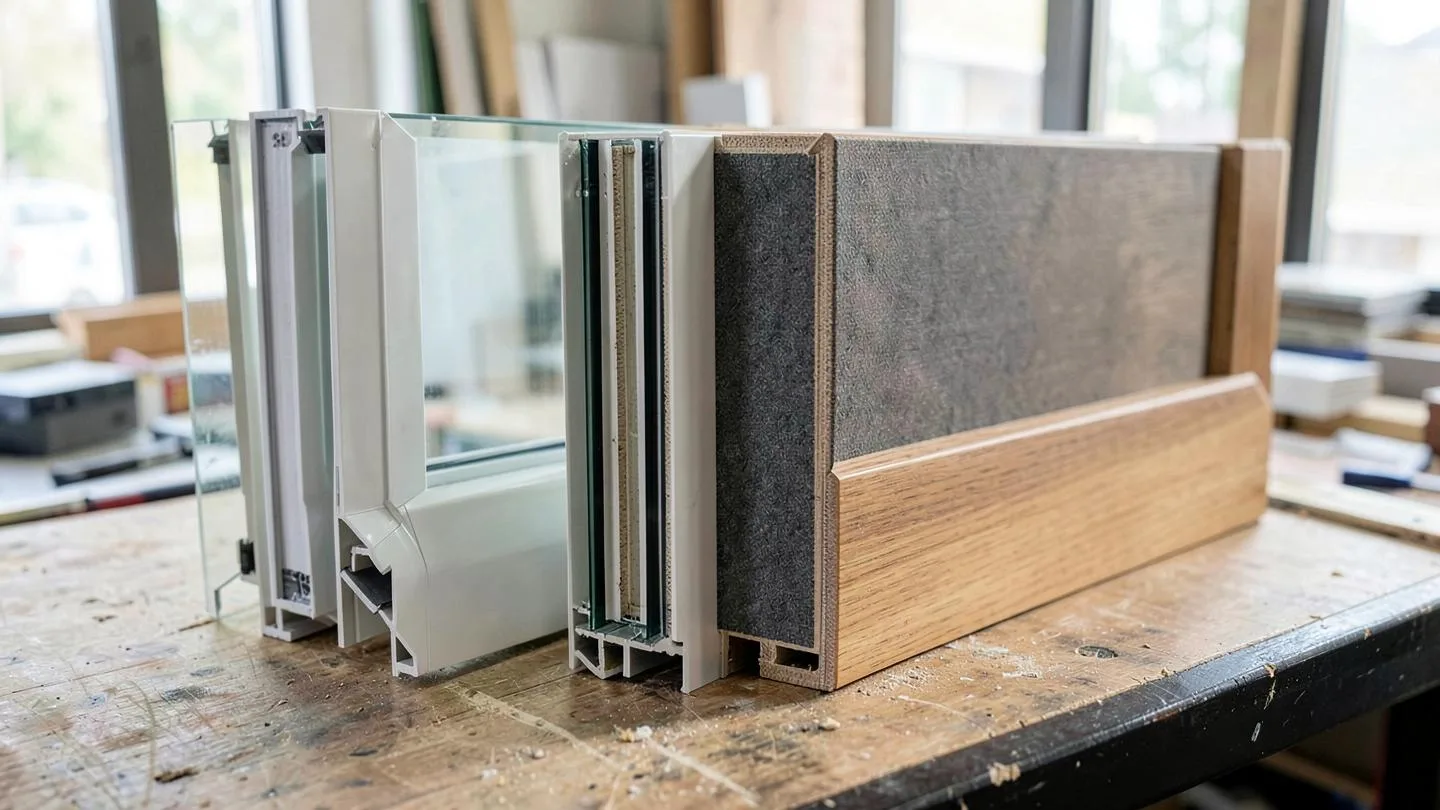
Compare window lines on four things: frame material, glass package, certified performance ratings and warranty terms, then compare installers separately. Most manufacturers sell several lines at different quality levels, so a brand name alone tells you very little. The certified label on the window is the part that lets you compare two quotes honestly.
Key points
- Brands sell good and entry level lines. Compare the line, not the logo.
- Certified performance numbers are the only apples to apples comparison.
- Installation quality decides whether a good window performs like one.
Start with frame material
- Vinyl: the common value choice, low maintenance, limited color options
- Fiberglass: dimensionally stable and strong, at a higher price
- Composite: engineered blends that aim for stability with lower maintenance
- Wood and clad wood: traditional appearance and repairability, more upkeep and cost
- Aluminum: strong and slim, more common in mild climates and commercial work
Then read the performance label
Independent certification labels report U factor, solar heat gain coefficient, visible transmittance and air leakage. Those four numbers describe how the window will actually perform, and every quote should include them for the exact line being proposed.
Which numbers you want depends on climate. A cooling dominated region and a heating dominated region prioritize different things, and your installer should be able to explain the choice for your area.
Ready to price replacement windows?
Get window quotesCompare the glass package
- Double or triple pane, and whether the third pane is worth it in your climate
- Low emissivity coatings tuned for your region
- Gas fill and whether the unit is warranted against seal failure
- Warm edge spacers, which affect condensation at the perimeter
- Grille style, since between the glass is easier to clean than applied
Read the warranty as a document, not a headline
- What is covered: glass seal, hardware, frame, finish and labor are often different terms
- Whether the warranty is transferable, and how many times
- Whether labor is covered and for how long
- What voids it, including installation by a non certified installer
- Who administers the claim, the manufacturer or the dealer
The installer matters as much as the window
A premium window installed with a poor air seal, missing flashing or an out of square opening will underperform a mid range window installed correctly. Ask how the opening will be prepared, how the unit will be flashed and insulated, and who returns for a service call.
Ask for the exact line, series number and performance ratings in writing on every quote so you can compare them side by side.
Common questions
- Are more expensive window brands always better?
- Not reliably. Most manufacturers offer several lines at different quality levels, so a mid tier line from one brand can outperform an entry line from a premium brand. Compare certified ratings and warranty terms for the specific line quoted.
- Is triple pane glass worth it?
- It depends on climate, noise exposure and budget. In cold climates it can be worthwhile. In mild climates the payback is much slower and the added weight affects hardware and operation.
- Should I choose the window or the installer first?
- Shortlist installers first, then compare the specific lines each one proposes. Installation quality determines whether the window performs as rated.