
DIY or hire a pro?
A practical way to decide which home projects are reasonable to do yourself and which ones belong with a licensed professional.
By Elijah Canfield, Founder, Hire Best Pros · Updated September 9, 2026
Elijah Canfield is the founder of Hire Best Pros. He writes and edits the site's consumer guides, with a focus on how home service and moving projects are priced, scoped and compared.
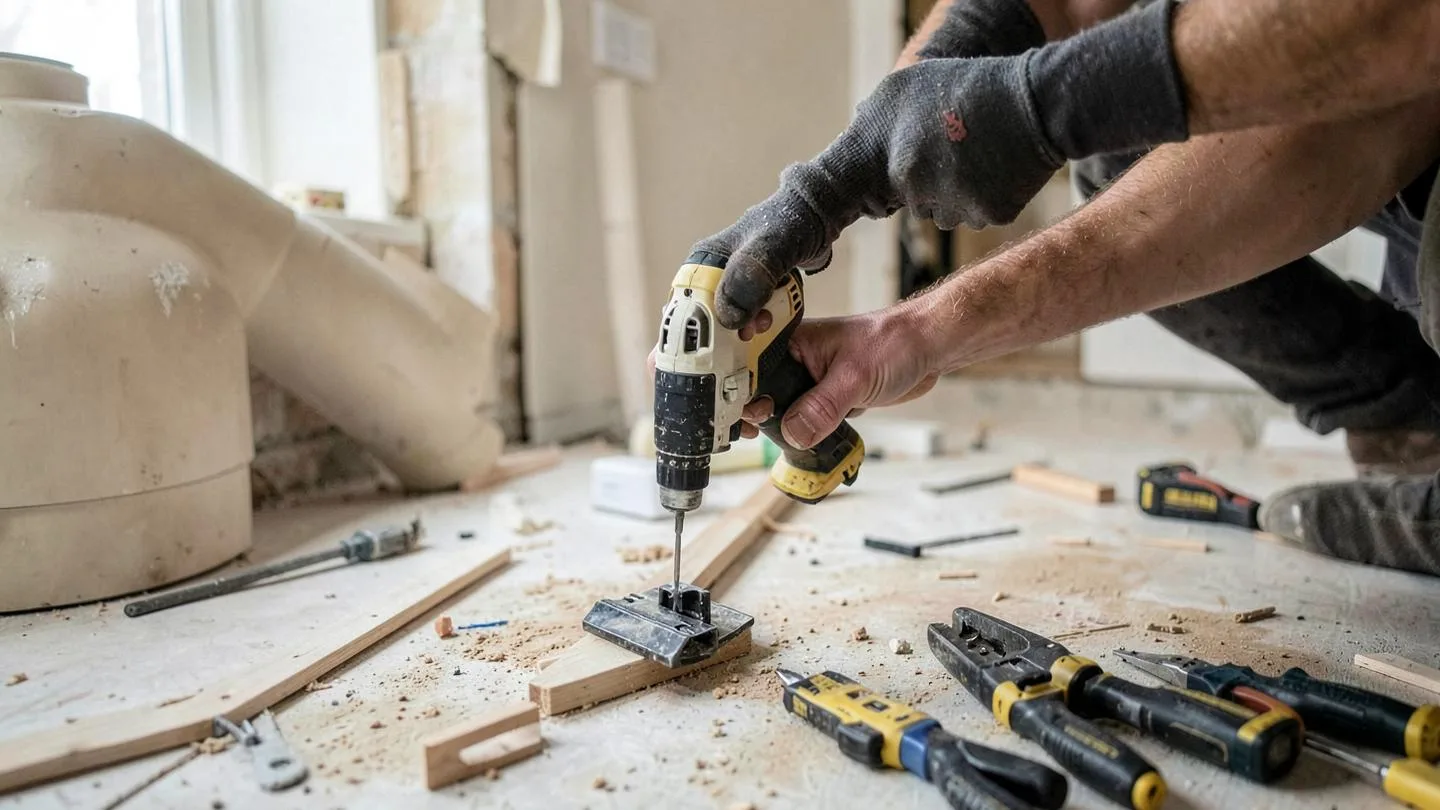
Decide with four questions: is the work permitted, can it hurt you or the house if it goes wrong, do you have the tools and the time, and what does a mistake cost to undo. Painting, basic assembly and cosmetic work are common do it yourself projects. Anything involving gas, structure, roofs, main electrical or sealed water systems belongs with a licensed pro.
Key points
- Permit required usually means professional required.
- The cost of a mistake matters more than the cost of the tools.
- Half finished projects have a real cost too: time, disruption and rework.
Four questions before you start
- Does the work require a permit or an inspection in your area?
- Can a mistake cause injury, fire, flooding or structural damage?
- Do you have the tools, the working space and enough uninterrupted time?
- If it goes wrong, what does a professional charge to fix it?
Usually reasonable to do yourself
- Interior painting and wall prep
- Swapping light fixtures on an existing, correctly wired circuit
- Basic caulking, weatherstripping and door hardware
- Yard work, mulching and simple planting
- Assembly and mounting on sound framing
Call a licensed professional
- Anything on gas lines or gas appliances
- Panel work, new circuits and anything behind a service disconnect
- Roof work, including steep or wet surfaces
- Moving or removing walls, headers and load paths
- Sealed refrigerant systems and heat pumps
- Water supply, drain and vent changes inside walls
- Known or suspected asbestos, lead paint or mold
Not sure which trade the job belongs to?
Browse home servicesThe costs people forget to count
A do it yourself project trades a labor bill for tools, materials at retail pricing, disposal, your weekends and the risk of rework. It is still often the right call on cosmetic work.
Where it usually stops being cheaper is on work that has to pass inspection, work that voids a warranty when done by an owner, and work where the repair of a mistake costs more than the original job.
A middle path
Many projects split cleanly. You can demo, paint, clean up and handle the selections while a pro does the permitted or hazardous portion. Agree in writing which parts are yours before the contract is signed, because a contractor cannot warranty work you performed.
Common questions
- Does doing part of the work myself lower the price?
- Sometimes. Demolition, cleanup and painting are the parts most often handed back to the homeowner. Agree on the split before signing, since a contractor will not warranty the portions you complete.
- Will insurance cover damage from my own work?
- That depends entirely on your policy and the cause of loss. Unpermitted work on systems that require a permit is a common source of coverage disputes, so ask your insurer before you begin.
- How do I know if a permit is required?
- Ask your local building department. They will tell you which work is permitted and whether an owner is allowed to pull the permit themselves.