
Garbage disposal problems
Why disposals hum, jam, leak or smell, what is safe to try yourself, and what should never go down the drain.
By Elijah Canfield, Founder, Hire Best Pros · Updated August 27, 2026
Elijah Canfield is the founder of Hire Best Pros. He writes and edits the site's consumer guides, with a focus on how home service and moving projects are priced, scoped and compared.
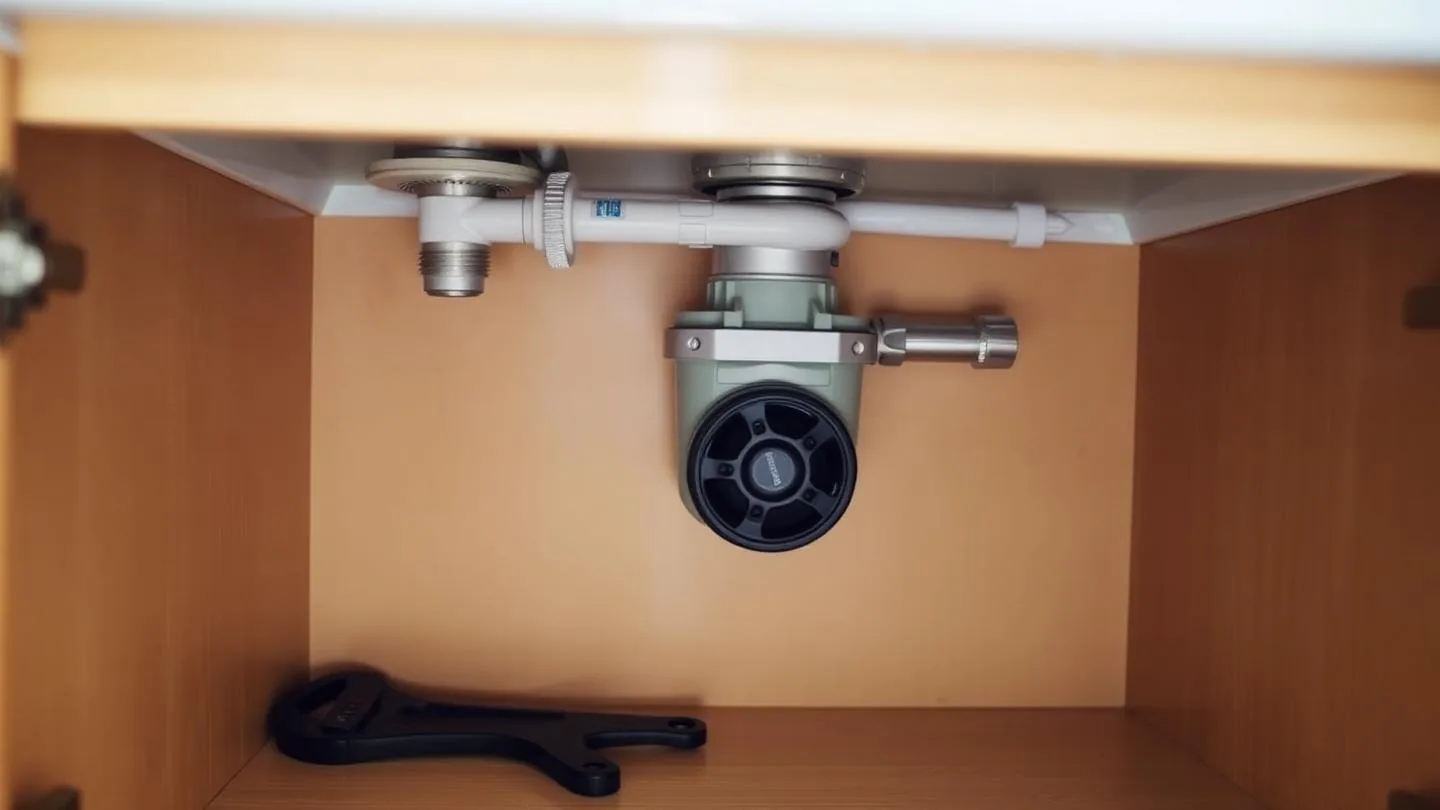
A humming disposal with no rotation is jammed and needs power off before anything else. A dead unit is often a tripped reset button or breaker. Leaks come from the sink flange, the dishwasher hose or the unit body, and the source decides whether it is a gasket, a hose clamp or a replacement.
Key points
- Power off at the switch and the breaker before reaching anywhere near the chamber.
- Grease, fibrous vegetables and coffee grounds cause most avoidable failures.
- Cold water during and after grinding keeps waste moving through the trap.
Common faults
- Hums but does not turn: a jam, cleared with power off and the manual hex key
- Completely dead: check the reset button underneath, then the breaker
- Leaking at the top: the sink flange seal
- Leaking at the side: the dishwasher hose connection
- Leaking from the bottom: the unit itself, which usually means replacement
What should never go in
- Cooking grease and oil, which solidify further down the line
- Fibrous items such as celery, corn husks and onion skins
- Starchy volume like pasta, rice and potato peels
- Coffee grounds, bones, shells and fruit pits
Keeping it healthy
Run cold water before, during and for a few seconds after grinding. Grind small amounts rather than one large load. For odor, grind ice and citrus peel rather than pouring in chemical drain cleaner, which damages seals and can sit in the chamber.
Leaking or dead unit?
Find a plumber