
Hiring a bathroom remodeling contractor
What to ask about waterproofing, scope, schedule and warranty, plus the signs that a bathroom is due for more than a cosmetic refresh.
By Elijah Canfield, Founder, Hire Best Pros · Updated August 26, 2026
Elijah Canfield is the founder of Hire Best Pros. He writes and edits the site's consumer guides, with a focus on how home service and moving projects are priced, scoped and compared.
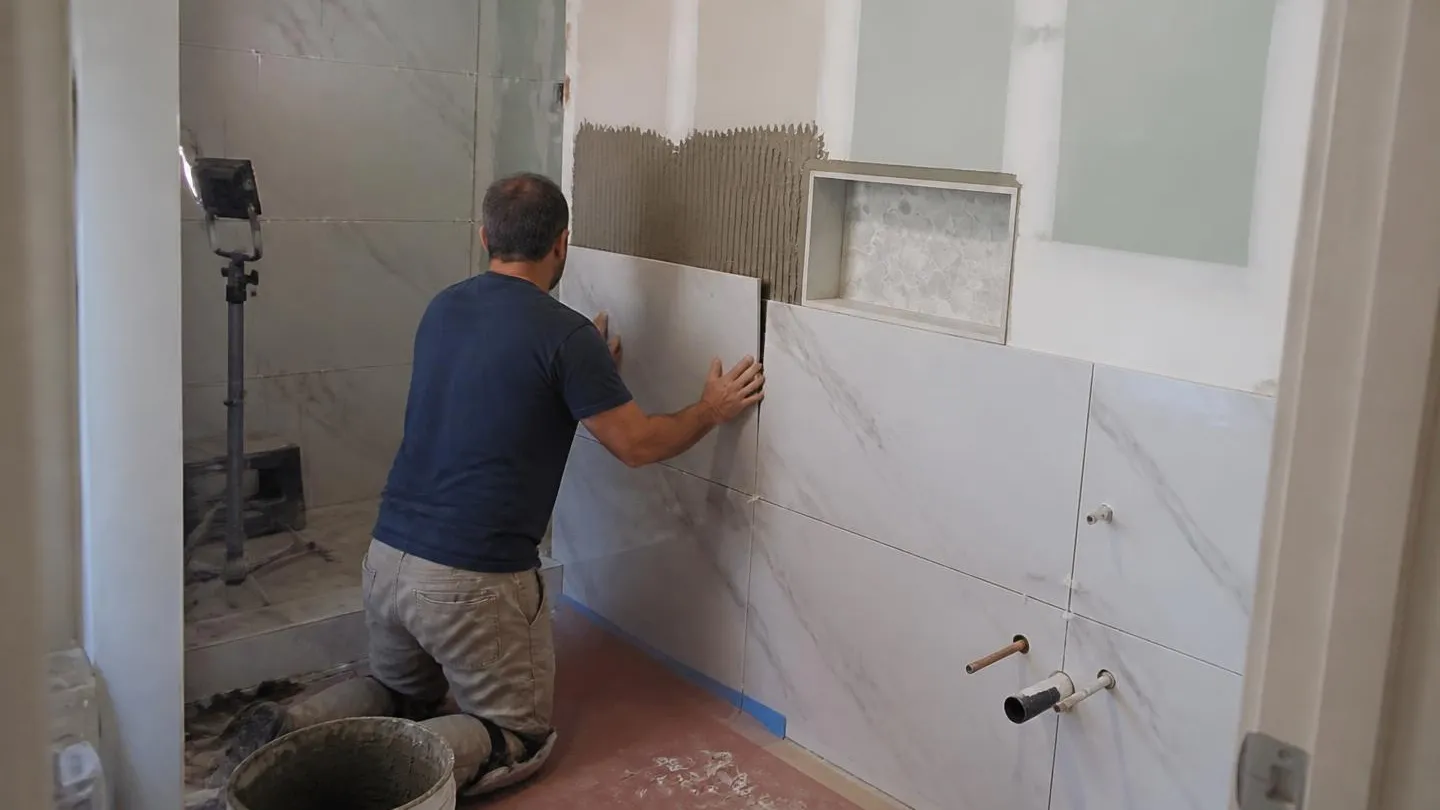
Choose a bathroom remodeler on how they handle what goes behind the tile. Ask which waterproofing system they use and why, whether the scope is cosmetic or includes moving plumbing, how many days the room will be unusable, and what their labor warranty covers. Bathrooms are small rooms where hidden detail decides whether the work lasts.
Key points
- Waterproofing method is the question most homeowners never ask and should.
- Cosmetic refresh and layout change are different projects with different prices.
- Confirm ventilation is included, because it is what protects the finished room.
Signs a bathroom needs more than paint
- Soft or spongy floor near the toilet or tub
- Persistent mold or mildew that returns after cleaning
- Loose tiles, failing grout or a shower pan that holds water
- Staining on the ceiling in the room below
- Fixtures that leak or a toilet that rocks
- No working exhaust fan, or one that vents into the attic
What to ask every candidate
- Is this scope cosmetic, or does it include moving plumbing or altering the layout
- What waterproofing system do you use in the shower, and how are the corners and the pan detailed
- Who does the tile work, and can I see recent examples
- Is ventilation included, and where does it discharge
- How many days will the bathroom be out of service, and how is dust contained
- What is the labor warranty, and what does it cover separately from product warranties
- How are hidden conditions such as rot or old plumbing handled when they appear
Comparing bathroom quotes?
Find bathroom remodeling helpPaperwork before work
- Written scope covering demolition, disposal, materials and finishes
- Permit responsibility, where the work requires one
- Payment schedule tied to milestones
- Change order process in writing
- Verified insurance, confirmed with the carrier rather than by a forwarded document
Common questions
- Why does waterproofing come up so much?
- Because it is the difference between a shower that lasts and one that damages the structure around it. Tile and grout are not waterproof by themselves. Ask what system sits behind them and how the transitions and corners are handled.
- How long is a bathroom out of service during a remodel?
- A straightforward full bathroom remodel commonly runs a couple of weeks of active work, longer when you are moving plumbing, adding a shower pan, tiling large areas or waiting on a special order fixture. Ask for a schedule that shows the trade sequence and the days the space is unusable, and plan where the household will wash in the meantime.
- Do I need a permit for a bathroom remodel?
- Requirements depend on your local building department and the scope. Cosmetic replacement of a vanity or fixture in the same location is treated differently from moving plumbing, altering framing or adding circuits. Ask your contractor which parts of your scope require permits and inspections in your jurisdiction, and confirm they are pulling them.
- What should the contract include?
- A written scope by trade, fixture allowances or specific model numbers, waterproofing method, subfloor and framing repair pricing, a payment schedule tied to milestones, the change order process, expected start and completion dates, daily cleanup and dust control, and the labor warranty. Verbal promises about tile layout or niche placement belong in writing too.