
Interior painting preparation
Why preparation determines how a paint job looks and lasts, and what a professional quote should include before a brush is opened.
By Elijah Canfield, Founder, Hire Best Pros · Updated August 27, 2026
Elijah Canfield is the founder of Hire Best Pros. He writes and edits the site's consumer guides, with a focus on how home service and moving projects are priced, scoped and compared.
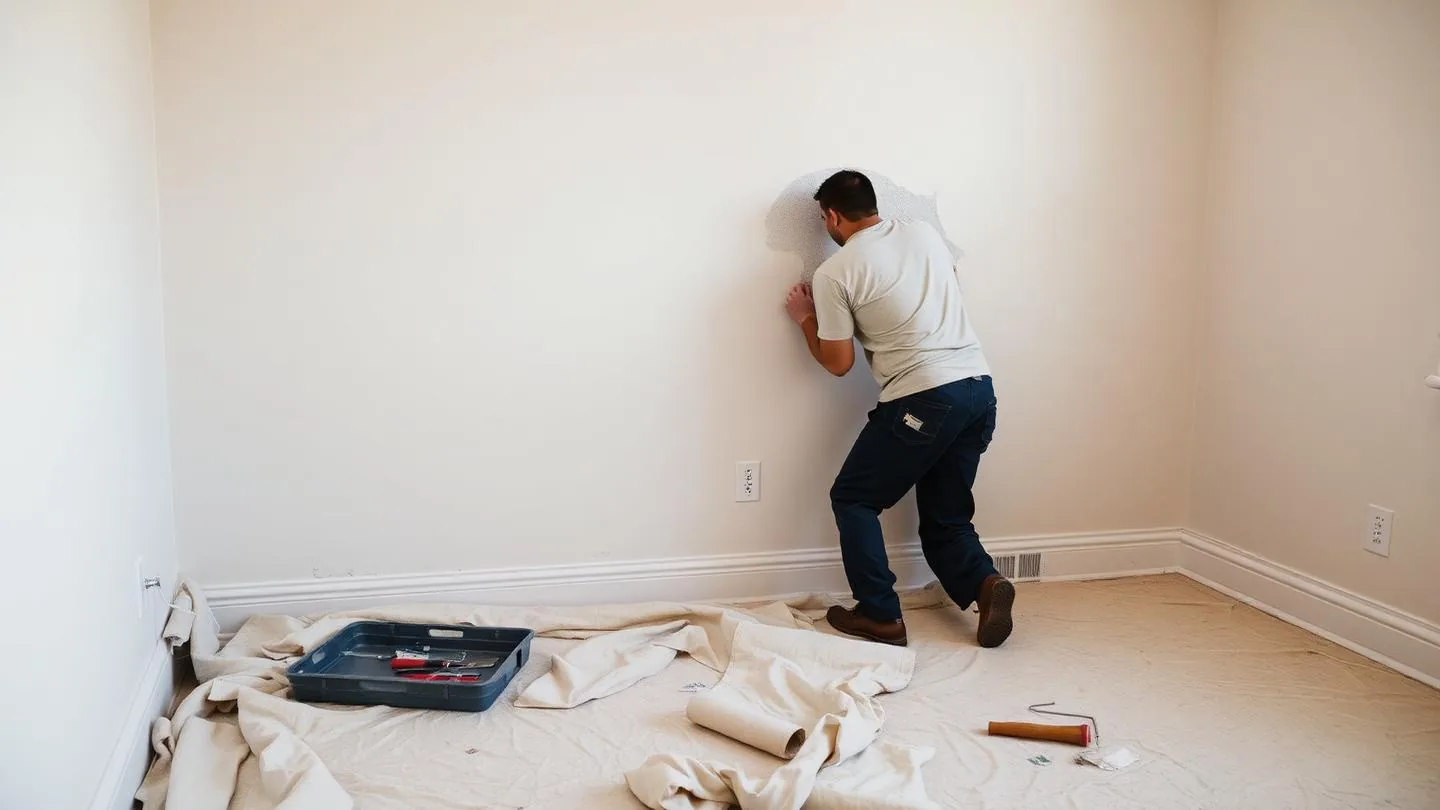
Most of the quality of an interior paint job is decided before painting starts. Clean the surfaces, repair and sand defects, prime patches and stains, caulk gaps, and mask everything that is not being painted. A quote that does not describe preparation is a quote for the easy half of the work.
Key points
- Paint does not hide texture, it highlights it.
- Spot priming patches prevents the flashing that shows in daylight.
- Ask what preparation is included, and what happens if hidden damage appears.
The preparation sequence
- Clear and protect the room, floors and fixtures
- Wash surfaces where grease, smoke or hand oils are present
- Fill, sand and feather nail holes, cracks and dents
- Spot prime repairs, stains and any bare substrate
- Caulk trim gaps, then mask edges and hardware
Older homes and special cases
Homes built before 1978 may contain lead based paint, which changes how surfaces can legally and safely be disturbed. Water stains need a stain blocking primer or they bleed through. Glossy surfaces need deglossing or they reject the new coat.
What to ask a painter
- How many coats, and is primer included where needed
- Which surfaces are being painted: walls, ceilings, trim, doors, closets
- How repairs and hidden damage are handled and priced
- Who supplies paint, and what sheen is specified for each surface
Ready for quotes?
Find painters