Planning a major renovation
How to move from a vague idea to a scoped project, the sequence that avoids rework, and how to keep momentum when a long renovation stalls.
By Elijah Canfield, Founder, Hire Best Pros · Updated August 26, 2026
Elijah Canfield is the founder of Hire Best Pros. He writes and edits the site's consumer guides, with a focus on how home service and moving projects are priced, scoped and compared.
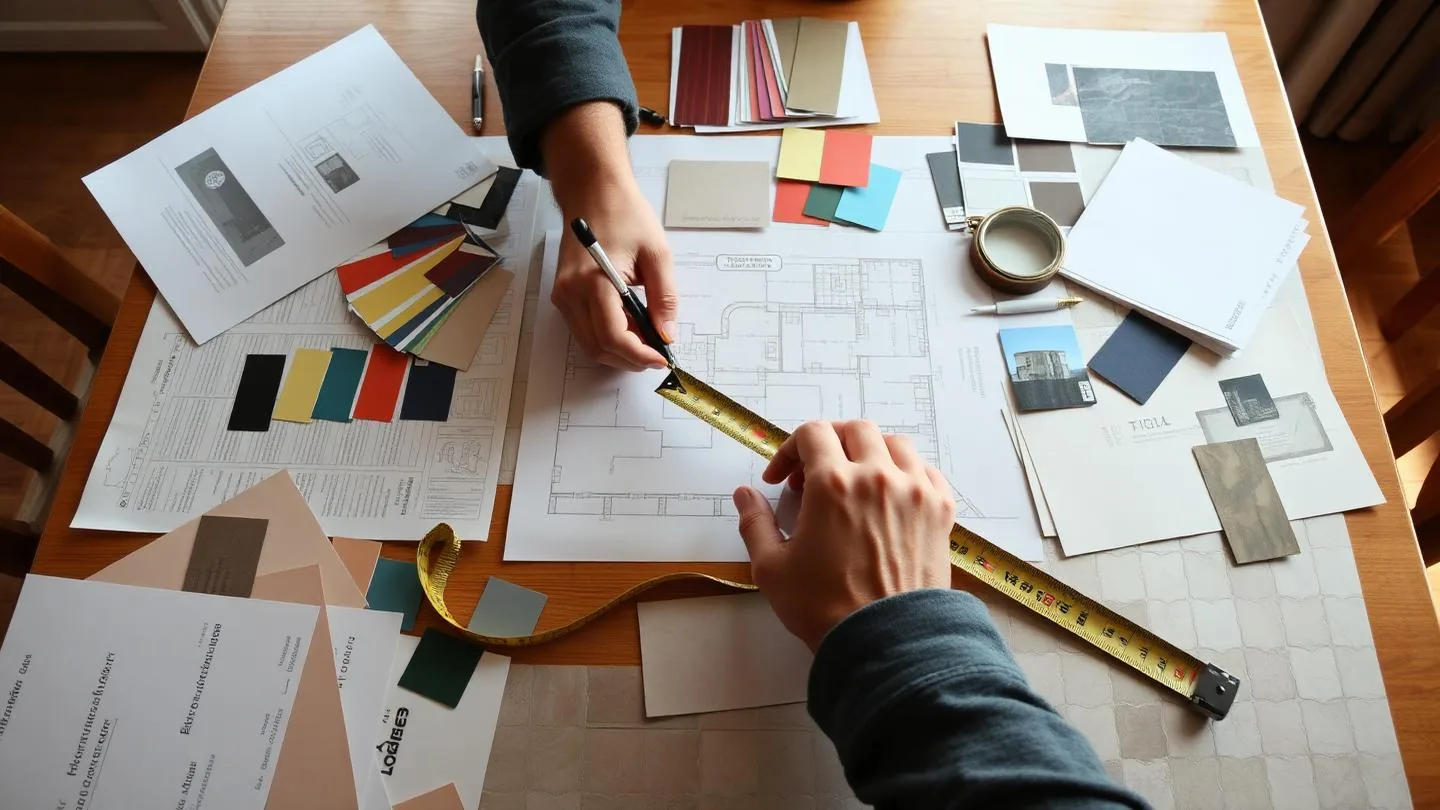
A renovation goes wrong at the definition stage far more often than at the construction stage. Write down what problem the project solves, set a budget with a contingency, decide the scope in writing before you shop for finishes, and sequence work so nothing finished has to be opened again. Permits, lead times and a realistic decision schedule belong in the plan, not in the middle of it.
Key points
- Scope creep is the most expensive line item in most renovations.
- Set a contingency before you start, and treat it as spent.
- Order long lead items before demolition, not after.
Define the project before you price it
Start with the problem, not the product. A kitchen that does not work for two cooks is a different project than a kitchen that looks dated, and they produce different plans.
Write a one page brief: what must change, what must stay, how long you plan to live there, and the hard constraints such as a date, a budget ceiling or a room that has to stay usable.
Sequence, so nothing gets built twice
- Structural and layout decisions first, since everything else follows them
- Rough mechanical, electrical and plumbing next, while walls are open
- Insulation, drywall and paint before finish carpentry
- Flooring and cabinetry, then countertops templated to the installed cabinets
- Fixtures, hardware and final paint touch up last
Budget the way contractors do
- Separate hard costs from allowances, and know which is which
- Hold a contingency for what opening the walls reveals
- Include permits, inspections, dumpsters and temporary living costs
- Price the finishes you actually want before setting an allowance
- Costs vary based on location, project size, materials, complexity, access and the provider you hire.
Ready to talk to a contractor?
Find remodeling helpKeeping a long project moving
Momentum dies in decisions. Keep a running list of what the crew needs from you and by when, and make those calls on schedule even when they are imperfect.
Hold a short weekly check in with the contractor, put changes in writing every time, and keep one folder with the contract, change orders, selections and warranty documents. That folder is also what you hand the next owner.
Common questions
- Where should I start on a major renovation?
- Start with the outcome and the budget, in that order. Write down what problem the renovation solves, what must be included, and what you would drop if costs rise. Then bring in a designer or contractor to test that against reality before drawings and orders begin. Changing a plan on paper is inexpensive; changing it on site is not.
- How much contingency should I plan for?
- Set aside a meaningful reserve beyond the contract price, especially in an older home where framing, wiring, plumbing and moisture surprises are common once walls open. Talk with your contractor about which parts of your scope carry the most unknowns. Deciding in advance how you will fund a surprise keeps the project from stopping halfway.
- Should I live in the house during the work?
- It depends on the scope and your tolerance for dust, noise and restricted access. Staying is workable when the project is contained to a wing or a floor with a functioning bathroom and kitchen. Moving out often shortens the schedule and reduces friction on large jobs. Ask your contractor how much faster the job goes with an empty house.
- How do I keep a large project on track?
- Agree on a single point of contact, a written schedule with milestones, a defined change order process, and a regular short check in rather than daily improvised conversations. Keep decisions ahead of the schedule, especially selections with long lead times. Most delays on big projects come from decisions made late rather than from the work itself.