
A practical plumbing maintenance checklist
What to check monthly, seasonally and yearly to catch plumbing problems while they are still small, plus the jobs that belong to a professional.
By Elijah Canfield, Founder, Hire Best Pros · Updated August 26, 2026
Elijah Canfield is the founder of Hire Best Pros. He writes and edits the site's consumer guides, with a focus on how home service and moving projects are priced, scoped and compared.
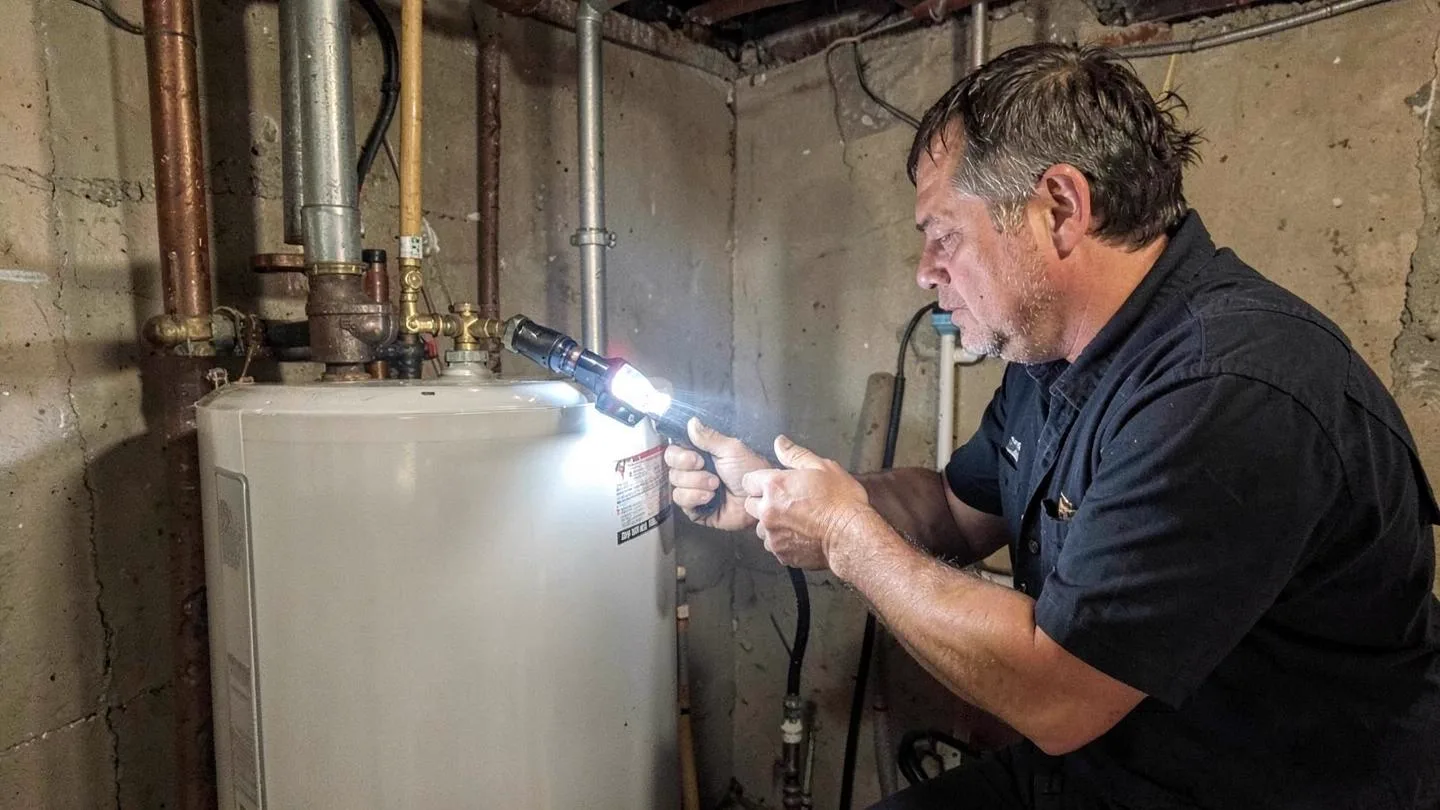
Most plumbing maintenance is observation rather than work. Once a month, look under sinks and at visible connections. Each season, test shutoff valves, drain a little water from the heater and check outdoor spigots. Once a year, have anything you cannot inspect yourself looked at: the water heater, the main line and any fixture that has been behaving oddly.
Monthly
- Open the cabinet under each sink and look and feel for damp spots
- Check around the base of every toilet for movement or moisture
- Run water in rarely used fixtures so traps do not dry out and let odors in
- Listen for a toilet that refills on its own
Each season
- Exercise the main shutoff and fixture stops so they do not seize
- Check the water heater area for corrosion, moisture or scale
- Clean aerators and shower heads if flow has dropped
- Before the first freeze, disconnect hoses and protect exterior spigots
- After the last freeze, check outdoor spigots for a split that only shows under pressure
Once a year, or when something changes
Some checks need a professional because they need equipment or access you do not have. A yearly service visit is the cheapest way to convert an unknown into a known.
- Water heater inspection, including the anode rod and pressure relief valve
- Main line camera inspection on older homes or any house with a history of backups
- Water pressure test if fixtures are loud or pressure feels high
- Repair of anything you have been ignoring since last year
Want a plumber to handle the annual items?
Find plumbing helpHabits that prevent most service calls
- Keep grease and coffee grounds out of the kitchen drain
- Use hair catchers in showers and tubs
- Skip chemical drain cleaner, which can damage older pipes and rarely fixes the cause
- Do not flush wipes, even the ones labeled flushable
Common questions
- How often should a water heater be serviced?
- Once a year is a common interval for inspection and flushing, and manufacturers usually specify their own schedule in the manual. Homes with hard water often benefit from more frequent flushing.
- What plumbing maintenance is worth paying a professional for?
- A periodic inspection of the water heater, main shutoff, supply lines and visible drain lines is worth it, especially in older homes. So is camera inspection of the sewer lateral if you have mature trees or a history of backups. Those visits catch the failures that cause expensive water damage rather than inconvenience.
- How do I find my main water shutoff?
- Look where the supply line enters the house, often near the water meter, in a basement, crawlspace, utility room or an exterior box. Test that it turns before you ever need it, since valves seize when they are never used. Show everyone in the household where it is and keep the area around it clear.