
How to prevent clogged drains
Simple habits that keep kitchen, bath and laundry drains flowing, plus the signs that a clog is deeper in the line and needs a professional.
By Elijah Canfield, Founder, Hire Best Pros · Updated August 26, 2026
Elijah Canfield is the founder of Hire Best Pros. He writes and edits the site's consumer guides, with a focus on how home service and moving projects are priced, scoped and compared.
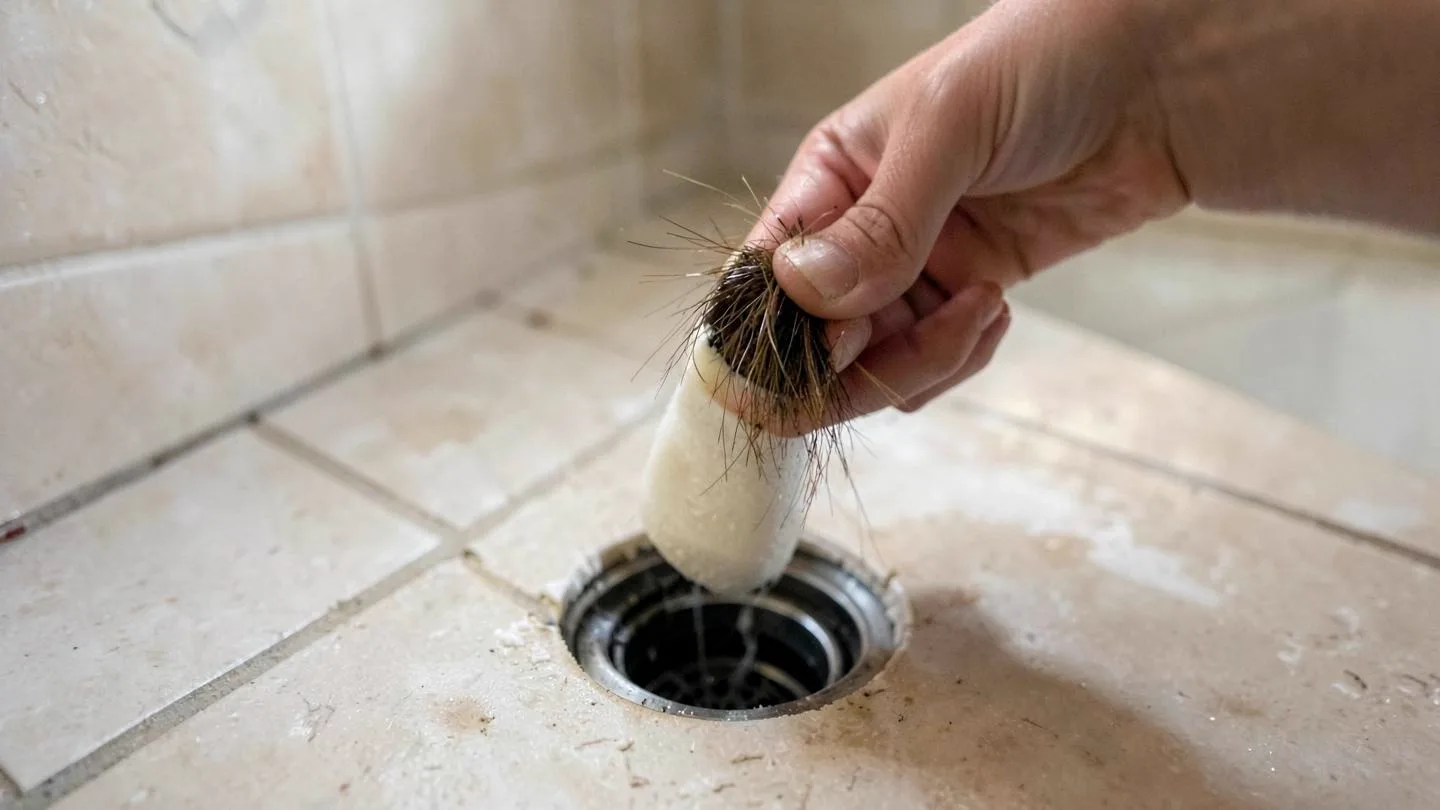
Most household clogs are built slowly out of grease, hair, soap residue and things that were never meant to go down a drain. Strain what enters the drain, keep fats and oils out of the kitchen line, flush drains with hot water regularly, and treat a repeat clog in the same line as a sign of a deeper blockage rather than something to keep plunging.
Kitchen
- Pour cooking fats and oils into a container and bin them rather than rinsing them away
- Scrape plates before washing and use a sink strainer
- Run cold water while a disposal is grinding, then let it run a few seconds after
- Keep coffee grounds, rice, pasta and fibrous vegetable peel out of the drain
Bathroom
- Use a hair catcher in showers and tubs and clear it often
- Flush only toilet paper, including products labelled flushable
- Rinse the drain with hot water after cleaning products or heavy soap use
Whole house habits
Drains that are used rarely, such as a guest bath or a floor drain, can dry out and let odours back into the room. Run water through them occasionally. Outdoors, keep gutters and yard drains clear so surface water is not pushed toward the foundation and into basement drains.
Clog keeps coming back?
Find plumbing helpWhen prevention is no longer the answer
- The same fixture clogs every few weeks
- More than one fixture drains slowly at the same time
- Water backs up at a lower drain when an upper fixture runs
- Gurgling from a nearby drain when a toilet is flushed
Common questions
- Do enzyme drain treatments work?
- Enzyme products act slowly on organic buildup and are gentler on pipes than caustic cleaners. They are maintenance, not a fix for a line that is already blocked.
- Is boiling water safe to pour down a drain?
- Very hot tap water is a safer routine flush. Boiling water can damage some plastic traps and should not be poured into a porcelain fixture that is already holding standing water.