Remodeling an older home
The conditions that commonly appear in older houses once work starts, how to budget for them, and how to judge whether a house with problems is still a good buy.
By Elijah Canfield, Founder, Hire Best Pros · Updated August 26, 2026
Elijah Canfield is the founder of Hire Best Pros. He writes and edits the site's consumer guides, with a focus on how home service and moving projects are priced, scoped and compared.
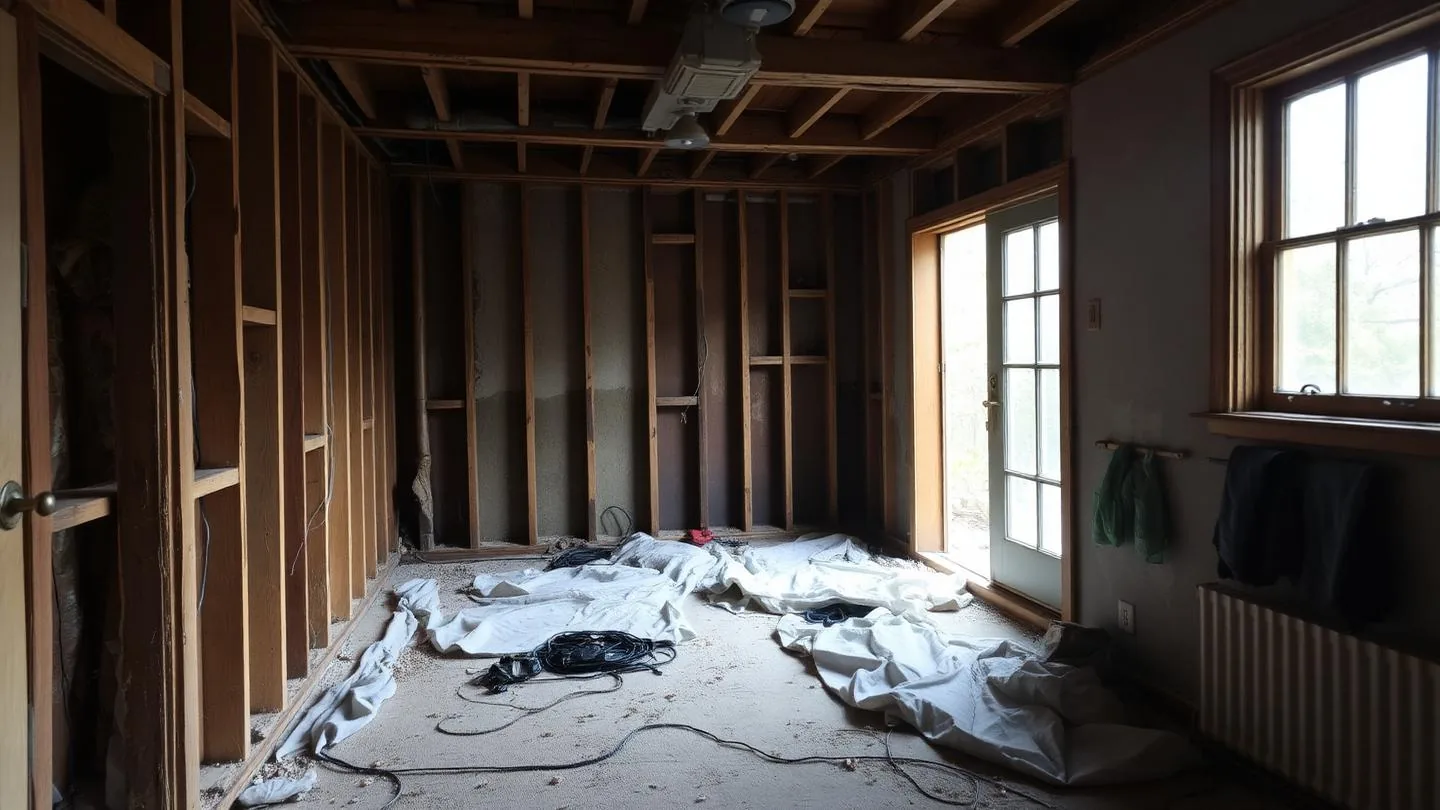
Older homes hide their condition behind finished surfaces. The frequent discoveries are outdated wiring, galvanized or lead supply piping, undersized structure for a modern layout, hidden water damage, and hazardous materials in older paint, flooring and insulation. None of these are automatic dealbreakers, but they are budget items that must be identified before the design is locked.
Key points
- Investigate before you design. Changing a drawing is cheap.
- Carry a larger contingency on any house built before modern codes.
- Testing for hazardous materials is required work, not optional caution.
What commonly turns up
- Wiring methods that predate current requirements, or unsafe past modifications
- Galvanized, polybutylene or lead supply lines, and drain lines at the end of their life
- Framing that was never intended to carry an open plan
- Old water damage, hidden rot or previous repairs done badly
- Asbestos containing materials and lead paint in homes of certain eras
- Floors far out of level, which affects cabinetry and tile
Investigate before the design is final
Exploratory openings, a sewer camera, an electrical panel evaluation and a structural walkthrough cost a fraction of what a mid project redesign costs.
If the house predates modern practice, testing for hazardous materials before demolition is not optional. Disturbing them creates a health issue and a legal one, and abatement changes both schedule and budget.
Want a contractor to assess the house first?
Find remodeling helpWhen a house with problems is still a good buy
Problems with known, boundable fixes are usually acceptable: systems near end of life, cosmetic damage, dated finishes, an inefficient layout that the structure can accommodate.
Be far more cautious with active structural movement, chronic water intrusion nobody has diagnosed, work done without permits that will need to be opened and corrected, and anything the seller will not let you inspect.
Preserving what makes the house worth keeping
- Salvage and reuse trim profiles, doors and hardware where you can
- Photograph and measure original details before demolition
- Match materials rather than approximating them in visible areas
- Bring systems up to current standards even when the visible work does not require it
- Check whether a historic district or overlay applies before changing anything exterior