
Attic insulation and energy loss
Why the attic is usually the biggest comfort problem in a house, how insulation types differ, and why air sealing comes first.
By Elijah Canfield, Founder, Hire Best Pros · Updated August 27, 2026
Elijah Canfield is the founder of Hire Best Pros. He writes and edits the site's consumer guides, with a focus on how home service and moving projects are priced, scoped and compared.
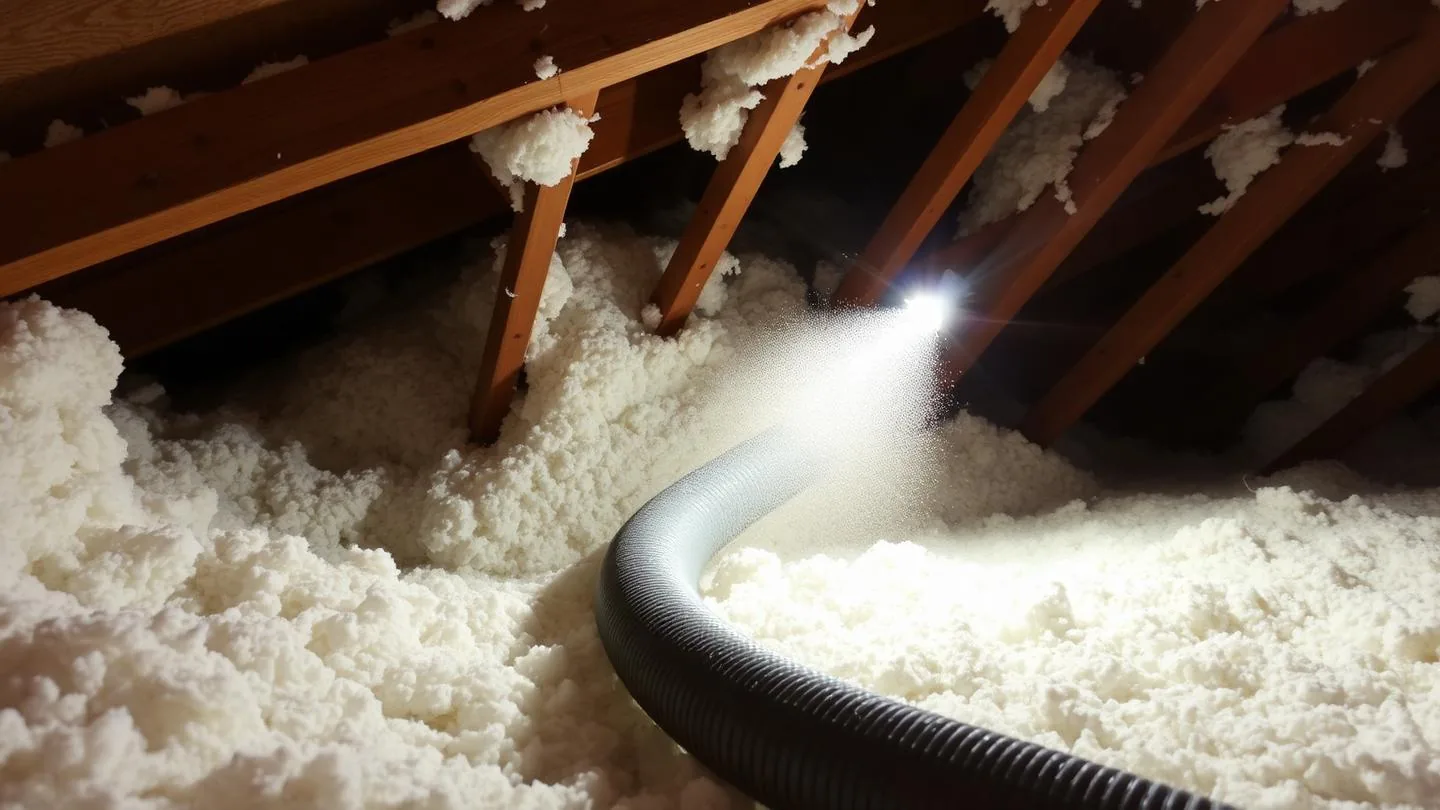
Warm air rises and leaves through the attic, which makes attic insulation and air sealing the highest impact envelope work in most homes. Seal the gaps around penetrations, chimneys, top plates and hatches first, then add insulation to the depth appropriate for your climate zone, and keep soffit ventilation clear.
Key points
- Air sealing before insulating. Insulation over leaks does not stop the leaks.
- Blocking soffit vents causes moisture problems that cost more than the energy saved.
- Ice dams and uneven upstairs temperatures point at the attic before the furnace.
Signs your attic is the problem
- Upstairs rooms that never match the rest of the house
- Ice dams along the eaves in winter
- Visible daylight or dust trails around ceiling penetrations
- Insulation that is compressed, patchy or lower than the joists
Materials in plain terms
Blown cellulose and blown fiberglass fill irregular spaces well and are common for topping up. Batts suit open, evenly spaced joists. Spray foam both seals and insulates but is a specialist install with different ventilation implications. The right depth depends on your climate zone, not a universal number.
Costs vary based on location, project size, materials, complexity, access and the provider you hire.
Do it in the right order
- Seal penetrations for wiring, plumbing, flues and recessed lights
- Weatherstrip and insulate the attic hatch
- Install baffles so insulation does not block soffit vents
- Add insulation to depth, evenly, without compressing it
Want the whole envelope looked at?
Talk to a home pro