
Fixer upper or move in ready
How to judge whether a house with problems is a good buy, which defects are worth taking on, and which ones should end the conversation.
By Elijah Canfield, Founder, Hire Best Pros · Updated September 9, 2026
Elijah Canfield is the founder of Hire Best Pros. He writes and edits the site's consumer guides, with a focus on how home service and moving projects are priced, scoped and compared.
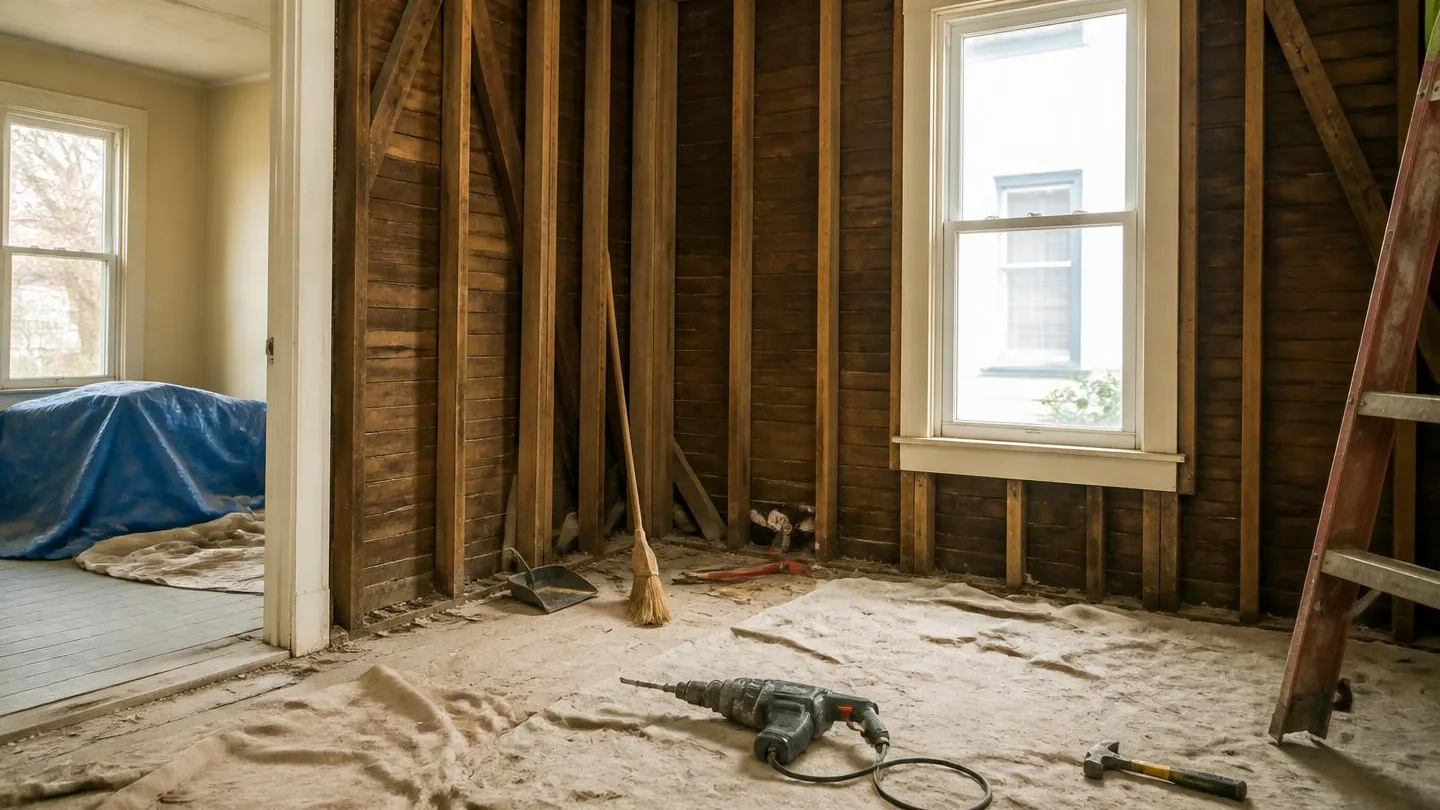
A fixer upper is a good purchase when the problems are cosmetic or contained, the structure and the systems are sound or repairable at a price you have verified, and you can live with the timeline. It is a bad purchase when the issues are structural, when moisture has been ignored for years, or when the discount only exists on paper because you have not priced the work with a contractor.
Key points
- Cosmetic problems are opportunity. Water, foundation and outdated systems are risk.
- Price the work with real quotes before the inspection period ends, not after closing.
- Add a contingency. Older homes reveal work once walls are open.
- Consider where you will live while the worst of the work happens.
Sort the defects into three buckets
Cosmetic issues are paint, flooring, fixtures, cabinets, landscaping and dated finishes. They look bad in photographs, which suppresses the price, and they are the most predictable work to buy.
System issues are the roof, the heating and cooling equipment, the electrical panel and wiring, the plumbing supply and drain lines, and the windows. These have known replacement paths and reasonably knowable costs, but they consume budget quickly.
Structural and moisture issues are the foundation, framing, persistent water intrusion, and anything that has been wet for a long time. These are the ones that turn a discount into a loss.
- Cosmetic: usually worth taking on.
- Systems: fine if you priced them and the discount reflects them.
- Structural and chronic moisture: get a specialist opinion before you commit.
Verify the discount with quotes, not estimates in your head
The mistake that sinks fixer upper purchases is assuming the price gap covers the work. Use the inspection period to get real numbers from contractors on the two or three largest items, and then add a contingency for what opening a wall reveals.
Older homes carry predictable surprises: knob and tube or aluminum wiring, galvanized supply lines, undersized panels, asbestos containing materials in flooring and insulation, and framing that was modified by a previous owner without permits.
Budgeting a renovation on a house you are considering?
Read the home renovation budget guideLook hard at water and foundation
Water is the defect that hides other defects. Staining at the ceiling, a musty basement, efflorescence on foundation walls, grading that slopes toward the house and gutters that dump at the wall are all worth chasing before you get attached to the kitchen.
Foundation movement is normal in small amounts and serious in large ones. Doors that will not latch, sloping floors, stair step cracks in masonry and separated trim are reasons to bring in an engineer rather than a general opinion.
Worried about what you saw in the basement?
Read about home foundation problemsPlan the sequence before you buy
Work has an order. Roof, drainage and structure come before anything cosmetic. Rough plumbing and electrical come before drywall. Flooring and paint come near the end. Buying a house and starting with the kitchen is how people end up doing the kitchen twice.
Decide early whether you will live in the house during the worst of the work. Displacement costs money too, and it belongs in the comparison against a move in ready home.
When move in ready is the better buy
If your timeline is short, your tolerance for disruption is low, or the discount is thin once the work is priced, the finished house is usually the better financial decision as well as the easier one.
The honest comparison is total cost and total time, not sticker price. A move in ready home with a newer roof and current systems is buying you years without capital projects.
Ready to price the work?
Get matched with remodeling contractorsCommon questions
- What problems should stop me from buying a fixer upper?
- Serious foundation movement, long term water intrusion with hidden damage, and widespread structural modification without permits. Each one has an unknown floor on cost, which is the opposite of what you want in a renovation project.
- How much contingency should a renovation budget carry?
- Older homes justify a larger cushion than newer ones because opening walls reveals work. Set the cushion with your contractor based on the age of the house and how much of the project is behind finished surfaces.
- Should I get quotes before closing?
- Yes. Use the inspection period. Contractors will walk a house you are under contract on, and two real numbers on the largest items are worth more than a dozen online averages.