Foundation and concrete problems
Why foundations move, how to read the difference between cosmetic and structural cracking, and the water management that prevents most of it.
By Elijah Canfield, Founder, Hire Best Pros · Updated August 26, 2026
Elijah Canfield is the founder of Hire Best Pros. He writes and edits the site's consumer guides, with a focus on how home service and moving projects are priced, scoped and compared.
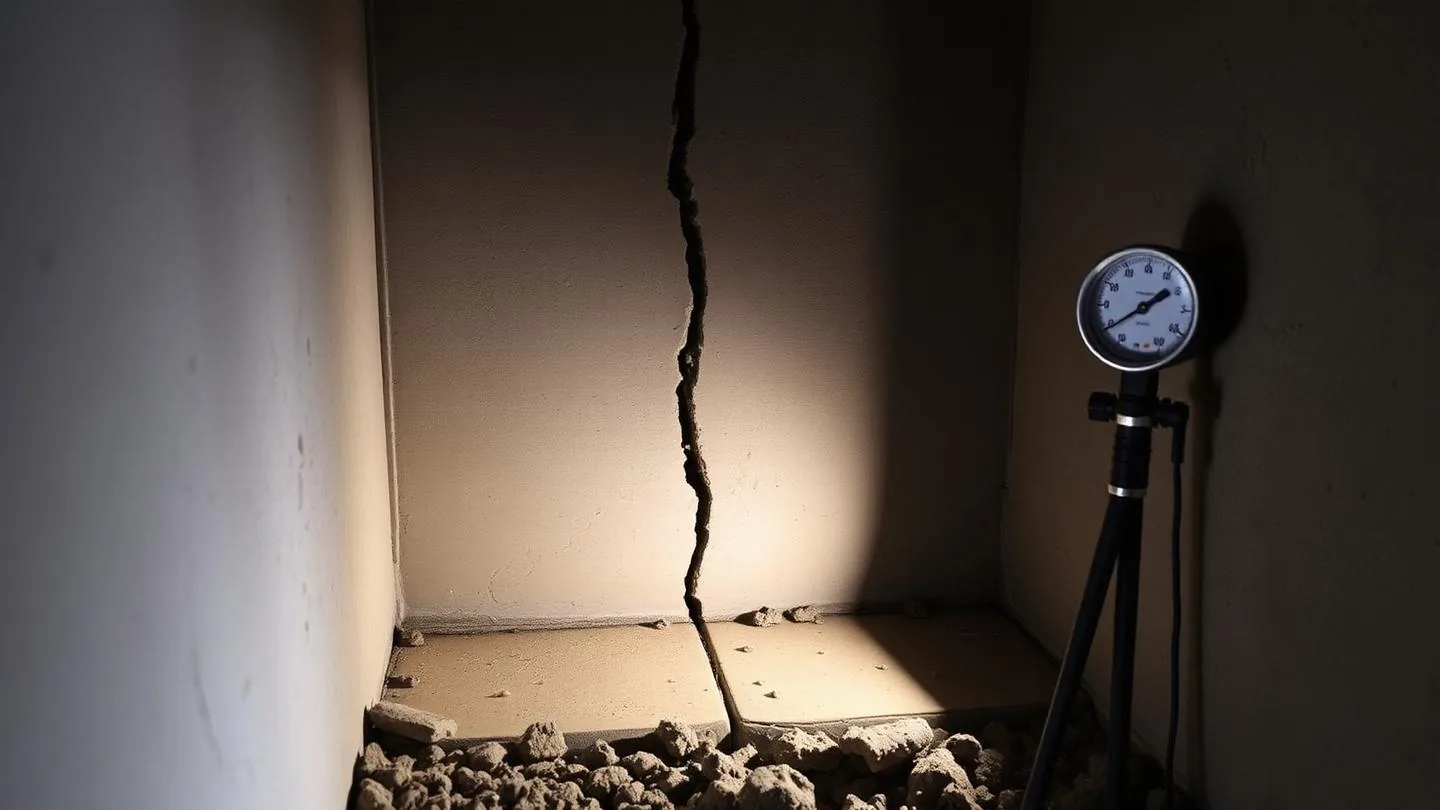
Almost all foundation movement traces back to water and soil. Expansive clay swells and shrinks with moisture, poor drainage saturates soil next to footings, tree roots draw moisture unevenly, and settlement follows. Hairline shrinkage cracks in concrete are common. Cracks that widen, offset, run diagonally from openings or come with sticking doors deserve an engineer's opinion.
Key points
- Water management is foundation maintenance. Everything else is a consequence.
- Width, direction and change over time matter more than the presence of a crack.
- Document with dates and photos before anyone quotes a repair.
Why foundations move
- Expansive soils that swell when wet and shrink when dry
- Poor drainage that keeps soil next to the footing saturated
- Downspouts discharging at the wall, season after season
- Large trees drawing moisture unevenly from one side
- Original construction on fill that was not properly compacted
- Plumbing leaks under a slab, which wash out support quietly
Reading the cracks
| What you see | Common reading |
|---|---|
| Fine vertical hairline cracks in poured concrete | Often shrinkage from curing, usually cosmetic |
| Diagonal cracks from window and door corners | Differential movement, worth an evaluation |
| Stair step cracking in block or brick | Movement along mortar joints, evaluate |
| Horizontal crack in a basement wall | Lateral soil pressure, treat as serious |
| Crack that offsets, so one side sits proud | Active movement, get a professional opinion |
What else shows up with real movement
- Doors and windows that stick or will not latch in one part of the house
- Gaps opening between trim, crown and the ceiling
- Floors that slope noticeably, or new bounce in one area
- Separation at the point where a porch, chimney or addition meets the house
- Cracked driveway and walkway slabs pitched toward the house
What to do, and in which order
Photograph every crack with a date and a ruler in frame, then re-photograph in a few months. A crack that has not changed is a very different conversation than one that has.
Fix water first: gutters, downspout extensions, grade and any drainage issue in the yard. Many minor movement problems stabilize once soil moisture stops swinging. For anything structural, a licensed structural engineer works for you, while a repair contractor sells a repair. Get the opinion before the bid.
Water pooling near the foundation?
Read the drainage guideCommon questions
- Are all foundation cracks serious?
- No. Fine shrinkage cracks are common in poured concrete and often cosmetic. Width, direction, offset and whether the crack is changing over time are what separate cosmetic from structural, which is why dated photos are useful.