
How to choose a flooring or tile installer
What to ask about subfloor prep, material handling, timeline and warranty so flooring quotes are actually comparable.
By Elijah Canfield, Founder, Hire Best Pros · Updated August 26, 2026
Elijah Canfield is the founder of Hire Best Pros. He writes and edits the site's consumer guides, with a focus on how home service and moving projects are priced, scoped and compared.
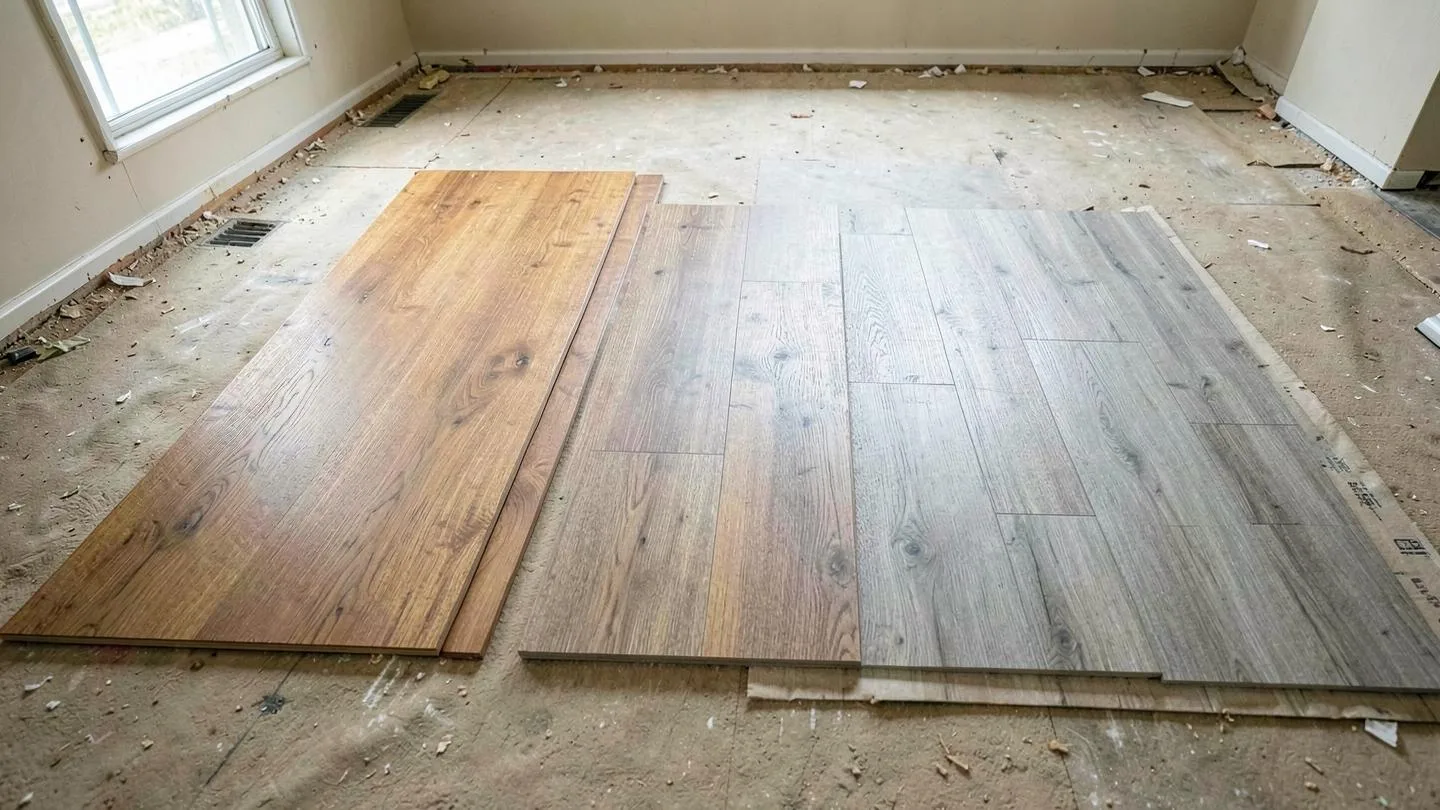
Compare installers on the parts of the job you cannot see. Ask how they evaluate and prepare the subfloor, whether prep is included or billed later, who supplies and handles the material, how transitions and trim are handled, and what their labor warranty covers. Price differences between flooring quotes usually live in prep and detail work, not in the material.
Key points
- Subfloor prep is the most common source of change orders. Get it defined.
- Ask specifically who is doing the work: employees or subcontracted crews.
- Get material, labor and prep as separate line items.
Questions that separate quotes
- How do you assess subfloor flatness and moisture, and what prep is included in this price
- What happens, and at what cost, if the subfloor needs more work once the old floor is up
- Is removal and disposal of the existing floor included
- Who supplies the material, and who is responsible for shortages or damaged boxes
- How are transitions, thresholds and trim handled, and is baseboard removed and reinstalled
- How long will the space be unusable, and what protection is used elsewhere in the house
- What does your labor warranty cover and for how long, separately from the material warranty
For tile work specifically
- What underlayment or membrane is being used, and why that one
- How the layout is set out, and will you see the plan before work starts
- Waterproofing details in wet areas, which are what prevent long term failures
- Grout type and expansion joint placement
- How lippage and level are controlled across the field
Comparing flooring quotes?
Find flooring helpVerify before you sign
- Confirm licensing where your state or municipality requires it, and confirm insurance directly
- Ask for recent local references for the same material you are installing
- Read the contract for payment schedule, start and completion dates and change order process
- Avoid large deposits that are out of proportion to the material being ordered
Common questions
- Should I buy the flooring myself?
- You can, and it sometimes saves money, but it moves responsibility for quantity, defects and delays to you. If the installer supplies the material, shortages and damaged product are their problem to solve.
- How many flooring quotes should I get?
- Three is a practical number. It shows you the range without dragging the decision out for weeks. Give each installer the same room measurements, the same product or product type, and the same expectations for subfloor prep and trim so the numbers describe the same job. If one bid is far below the others, look for what it leaves out before you assume it is a bargain.
- What should be in the written scope?
- Look for square footage and waste allowance, subfloor preparation, moisture testing where relevant, underlayment, transitions and trim, removal and disposal of the old floor, furniture moving, appliance disconnection if needed, and the finish schedule. Also confirm who is responsible if the subfloor turns out to need leveling once the old floor is up.
- How do I check an installer before I sign?
- Confirm the business name matches the license and insurance certificates, ask for recent local jobs with the same material you chose, and read reviews for comments about cleanup, schedule and callbacks rather than politeness alone. Ask who is physically doing the work and whether the crew is employed or subcontracted, then get the answer in writing.