
Choosing moving boxes and supplies
Which box sizes to buy, how many you actually need, what specialty boxes are worth it, and the supplies people forget until nine at night.
By Elijah Canfield, Founder, Hire Best Pros · Updated August 27, 2026
Elijah Canfield is the founder of Hire Best Pros. He writes and edits the site's consumer guides, with a focus on how home service and moving projects are priced, scoped and compared.
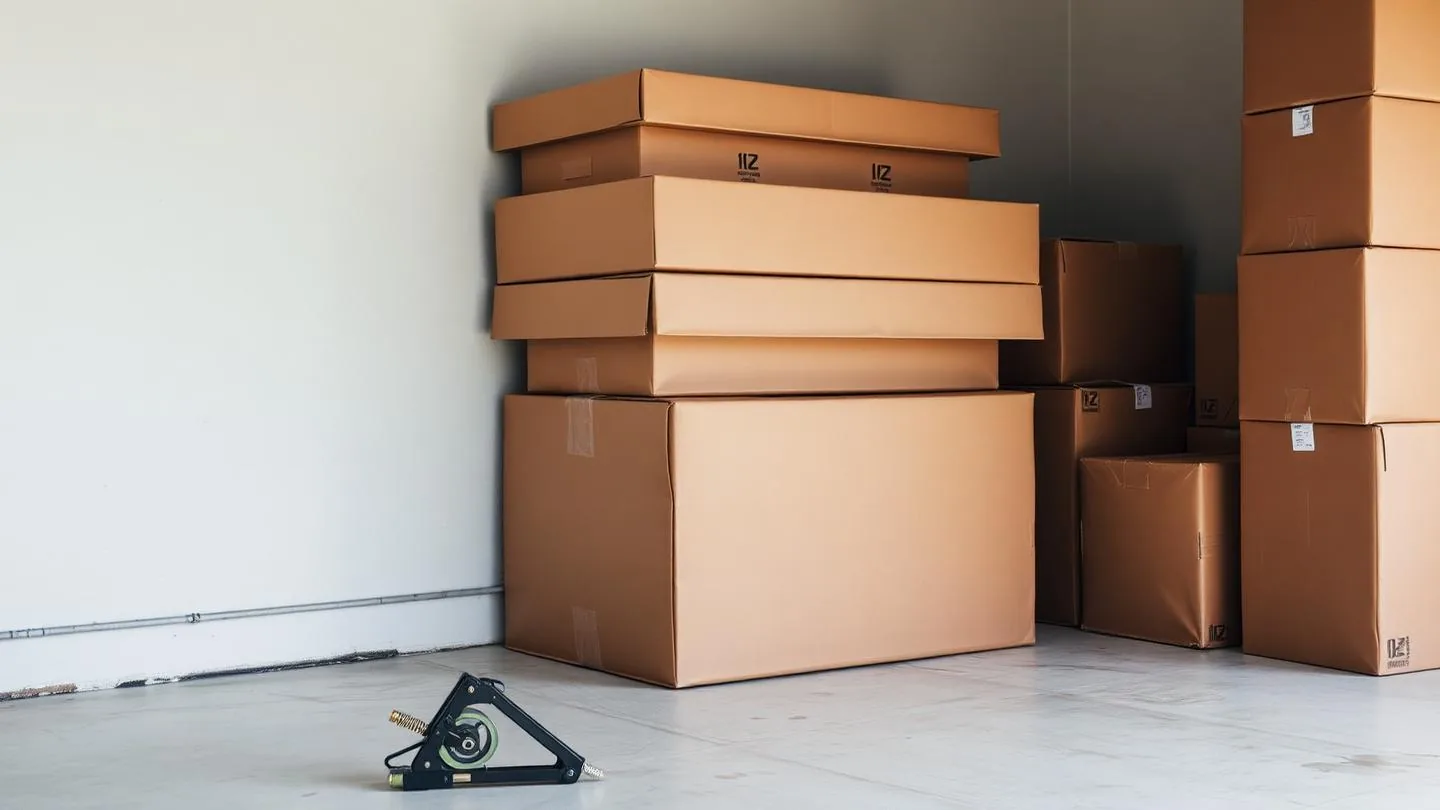
Buy small boxes for anything heavy, medium boxes for most household goods, and large boxes only for bulky light items such as bedding and pillows. Add wardrobe boxes for hanging clothing and dish barrels for the kitchen, then buy more tape and paper than you think you need.
Key points
- Box size is a weight decision, not a volume decision.
- Free grocery boxes are inconsistent in strength and rarely stack safely.
- A half empty box is a crushed box. Fill every void.
The core sizes
- Small: books, tools, canned goods, anything dense
- Medium: kitchen items, small appliances, toys, general household
- Large: bedding, pillows, lampshades, light bulky items only
- Wardrobe: hanging clothes, which arrive ready to hang
- Dish barrel: double walled, for plates, glass and ceramics
Everything that is not a box
- Quality packing tape and a tape gun, plus a spare roll
- Packing paper for wrapping and for filling voids
- Bubble wrap for glass, screens and framed art
- Stretch wrap for drawers, doors and upholstered furniture
- Furniture pads, mattress bags, markers and resealable bags for hardware
Reusing, renting and recycling
Rented plastic crates are a strong option for a local move: they stack cleanly, they do not collapse, and they leave no cardboard to break down afterwards. If you use secondhand cardboard, check that flaps are square, corners are intact and nothing has been damp.
Prefer to have it packed for you?
Ask about packing serviceCommon questions
- How many boxes will I actually need?
- Plan by room rather than by a single total. Kitchens, closets, books and garages consume far more boxes than bedrooms. Buy or collect in stages so you are not guessing on day one, and keep the receipt if your supplier takes back unused boxes. Running short mid pack is the common problem, so it is better to have a few spares of each size.
- Are free used boxes a good idea?
- They work well for light, non fragile items such as linens, clothing and toys. Be careful with grocery store boxes that carried produce, anything damp or stained, and boxes with weak flaps, since they crush under stacking and can attract pests. For dishes, electronics and anything you would hate to lose, use new boxes with intact corners.
- What supplies do people forget?
- Packing paper for dishes and glassware, stretch wrap for drawers and furniture, mattress bags, a marker set, tape that actually holds, furniture pads, and a small tool kit for disassembly. Also set aside labels for a first night box. These are the items people end up buying at full price the night before the move.
- Should I rent reusable crates instead?
- Rented plastic crates are worth considering for local moves with a defined timeline. They stack cleanly, do not collapse, and the company collects them afterward. They are less practical for long distance moves or when your delivery window is uncertain, since rental time keeps running. Compare the rental period against your actual schedule before booking.