
Lowering your auto insurance costs
The levers that actually move an auto premium, the discounts people forget to ask for, and how to keep a cheaper policy from leaving you underinsured.
By Elijah Canfield, Founder, Hire Best Pros · Updated September 9, 2026
Elijah Canfield is the founder of Hire Best Pros. He writes and edits the site's consumer guides, with a focus on how home service and moving projects are priced, scoped and compared.
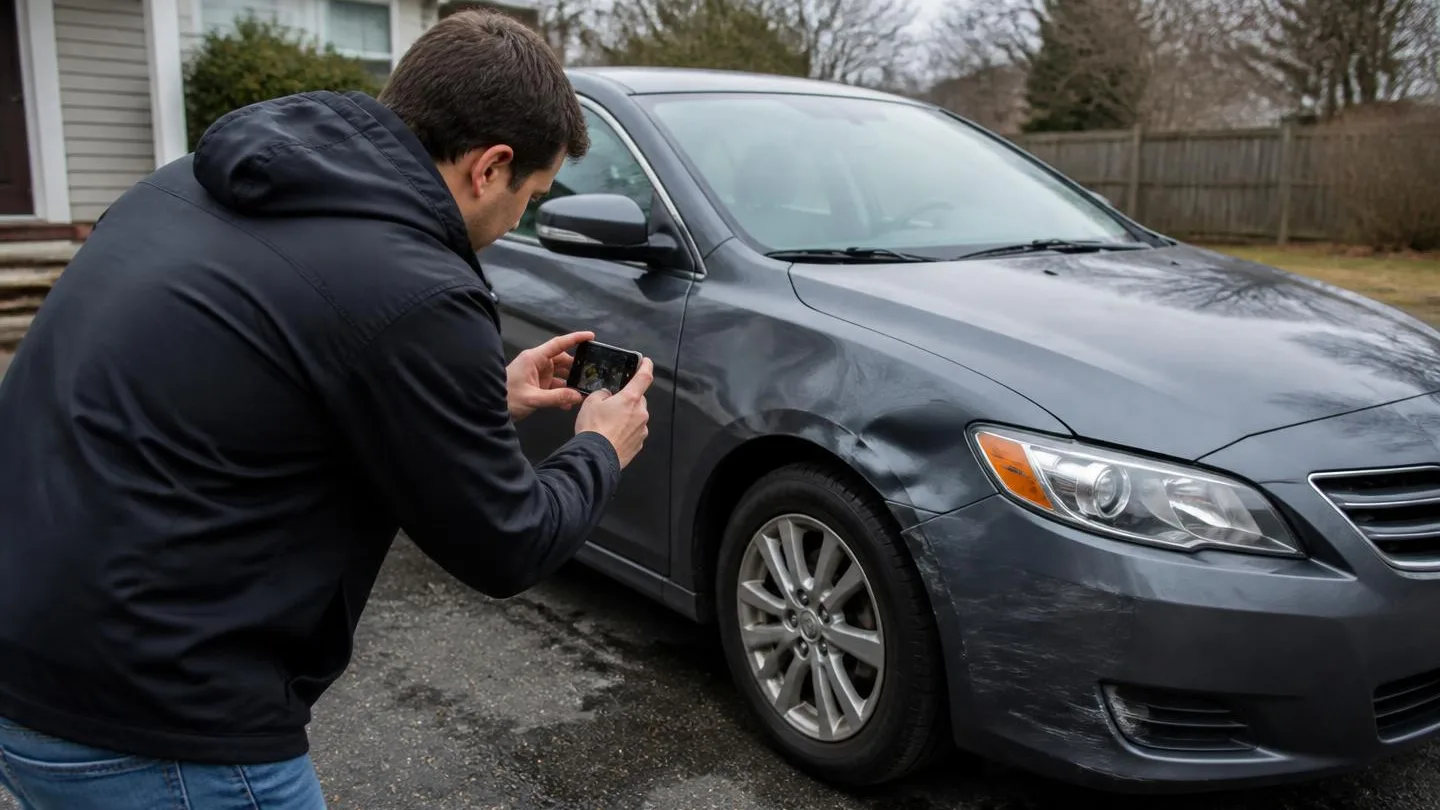
Premiums move on a handful of levers you control: the coverage and deductibles you choose, your driving and claims record, the vehicle itself, how much you drive, discounts you qualify for, and how often you compare carriers. The one thing worth protecting while you shop is your liability limit, because that is the coverage that protects your assets. This is general education, not insurance advice.
Key points
- Comparing carriers at renewal is usually the single biggest lever.
- Raising a deductible only helps if you can actually pay it.
- Cutting liability limits to save a few dollars is the wrong place to economize.
Compare carriers before every renewal
Rating models differ between insurers, and the carrier that priced you best three years ago may not price you best today. Quote the same coverage limits and deductibles across carriers so you are comparing the same product.
If you use an independent agent, ask them to run the market rather than quoting a single carrier.
Set deductibles you can genuinely cover
A higher comprehensive or collision deductible lowers the premium and raises what you pay after a loss. It is a good trade only when the amount is money you could produce the week of an accident.
Ask for every discount by name
- Multi policy, such as home or renters bundled with auto
- Multi vehicle on the same policy
- Safe driver and claims free history
- Telematics or usage based programs, if you are comfortable with the tracking
- Low annual mileage
- Defensive driving course completion
- Good student, and student away at school
- Paid in full, paperless and automatic payment
- Vehicle safety and anti theft equipment
The vehicle and how you use it
Repair cost, parts availability, theft rates and safety performance all feed into what a model costs to insure. If you are shopping for a car, getting quotes on two candidates before you buy is a five minute exercise that can change the math.
Annual mileage and commute distance matter as well. If your driving has changed, tell the carrier rather than waiting for a renewal to catch up.
Want to compare coverage options?
Explore auto insuranceWhere cutting costs backfires
- Dropping liability to state minimums when you have assets to protect
- Removing uninsured and underinsured motorist coverage
- Letting a policy lapse, which can raise the next one
- Understating mileage, garaging address or drivers in the household
- Dropping collision on a car you could not afford to replace
Common questions
- How often should I shop my auto policy?
- Reviewing at each renewal is reasonable, and after any life change such as a move, a new vehicle, a new driver in the household or an at fault claim aging off your record.
- Does a higher deductible always save money?
- It lowers the premium, but the savings only make sense if you could comfortably pay the deductible after a loss.
- Is the cheapest policy the best policy?
- Not if it leaves you with liability limits that do not protect your assets. Compare the same limits across carriers first, then look at price.