
Planning an office move
How to sequence a commercial move around business hours, technology, records and the building rules at both ends.
By Elijah Canfield, Founder, Hire Best Pros · Updated August 27, 2026
Elijah Canfield is the founder of Hire Best Pros. He writes and edits the site's consumer guides, with a focus on how home service and moving projects are priced, scoped and compared.
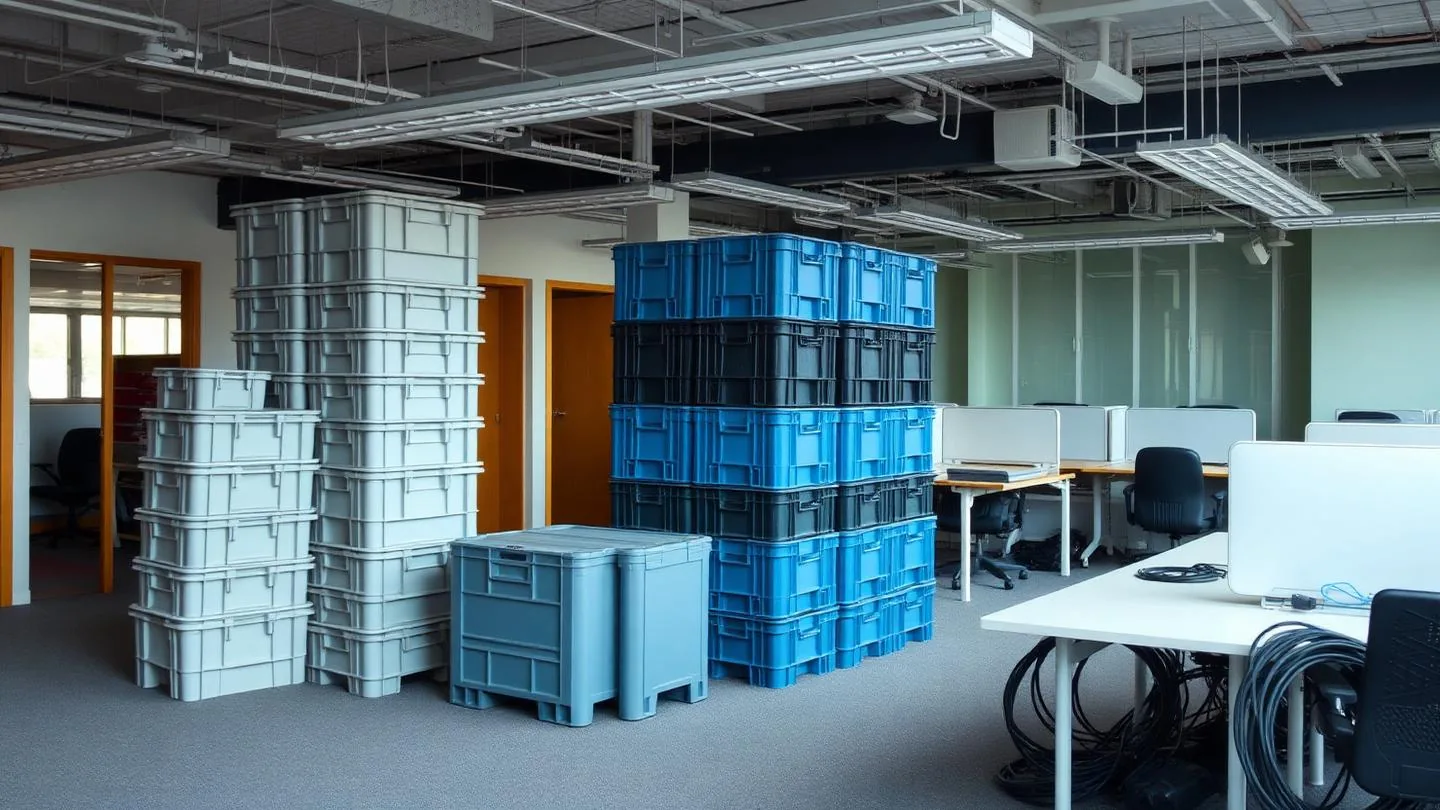
An office move is a scheduling problem more than a lifting problem. Assign one internal owner, inventory technology and records first, confirm building rules and elevator reservations at both addresses, and phase the move so the systems people depend on are last out and first back up.
Key points
- Building management usually controls the real constraints: hours, elevators and loading docks.
- Label by destination room and workstation, not by department.
- Records with personal or client data need a chain of custody, not a stack of open boxes.
Before you book
- Confirm move in and move out hours, dock access and elevator reservations
- Ask both buildings what certificate of insurance they require from the mover
- Inventory servers, network gear, printers and anything leased
- Decide what is being replaced rather than moved
Technology and records
Technology usually needs its own plan and sometimes its own vendor. Decide who disconnects, who transports and who reconnects, and confirm that internet service at the new address is live before the first workstation arrives.
Paper records containing personal or client information should travel in sealed, tracked containers, with a documented handoff at each end.
Keeping the business running
- Phase the move across a weekend or in departmental waves
- Publish a simple floor plan so boxes land where people will sit
- Update the address on listings, invoices, signage and shipping accounts
- Keep one small team on the old site until the final sweep is done
Need commercial moving help?
Describe your move