
What damages hardwood floors
Grit, standing water, the wrong cleaner, furniture and sunlight are what wear a wood floor out early. Simple habits that add years to the finish.
By Elijah Canfield, Founder, Hire Best Pros · Updated August 26, 2026
Elijah Canfield is the founder of Hire Best Pros. He writes and edits the site's consumer guides, with a focus on how home service and moving projects are priced, scoped and compared.
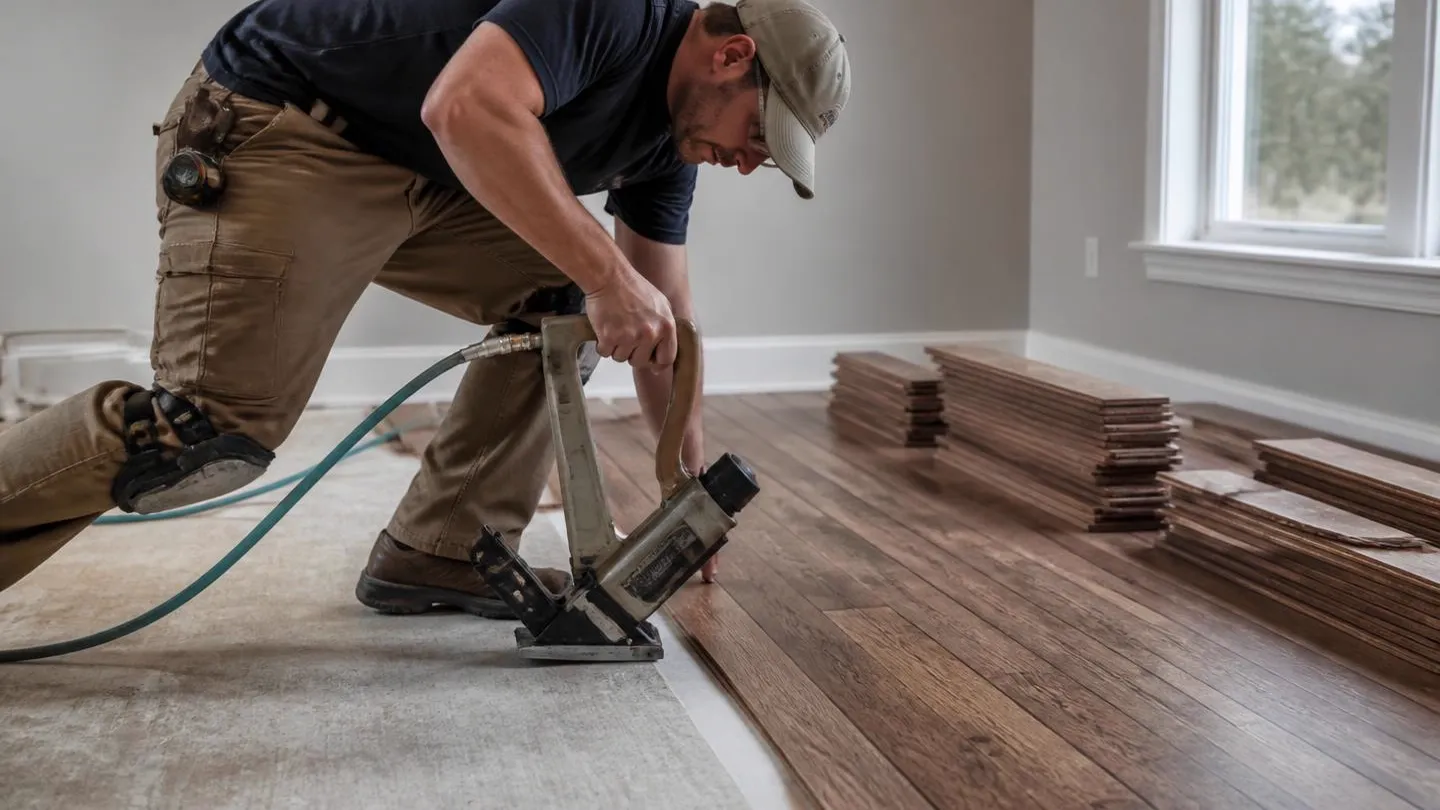
Most hardwood damage comes from four sources: abrasive grit tracked in from outside, water left on the surface or wicking from below, cleaning products that are wrong for the finish, and point loads and drags from furniture. Sunlight is a fifth, changing color unevenly over time rather than damaging the wood.
Key points
- Grit is sandpaper underfoot. Mats and regular sweeping matter more than any product.
- Damp mop, never wet mop, and never let water stand.
- Use the cleaner the finish manufacturer specifies.
The main culprits
- Sand and grit carried in on shoes and pet paws, which abrades the finish
- Standing water from spills, wet boots, pet bowls, plant pots and mopping
- Steam mops and excess water, which can drive moisture into the seams
- Harsh or oily cleaners, wax on a polyurethane finish, and vinegar solutions that dull some finishes
- Furniture dragged across the surface, and hard casters or unprotected feet
- High heels, unclipped pet nails, and grit trapped under an area rug
- Direct sunlight, which changes color unevenly over months and years
Habits that keep a floor looking new
- Mats at every exterior door and a shoes off habit where practical
- Sweep or vacuum with a hard floor setting regularly, so grit never accumulates
- Damp mop with the cleaner specified for your finish, and dry any spill immediately
- Felt pads under every furniture leg, checked and replaced as they wear
- Rugs in high traffic paths, with a rug pad that will not trap moisture or discolor the finish
- Keep indoor humidity in a stable range so boards do not cup in summer and gap in winter
- Rotate rugs and use window coverings to even out sun exposure
Floor past the point of cleaning?
Find flooring helpWhen refinishing is the answer
Surface scratches in the finish can often be handled by a screen and recoat, which is faster and less disruptive than a full sand. Deep gouges, water staining that has reached the wood, and boards that have cupped need a full refinish or board replacement. Our guide on how often to replace flooring covers the longer horizon.
Common questions
- Is a steam mop safe on hardwood?
- Most wood flooring manufacturers advise against steam, because heat and moisture can work into the seams and affect both the finish and the boards. Follow the manufacturer's cleaning instructions for your specific floor.