
Thermostats and heating controls
How thermostat types differ, where placement quietly wrecks comfort, and the settings that make the biggest difference.
By Elijah Canfield, Founder, Hire Best Pros · Updated August 27, 2026
Elijah Canfield is the founder of Hire Best Pros. He writes and edits the site's consumer guides, with a focus on how home service and moving projects are priced, scoped and compared.
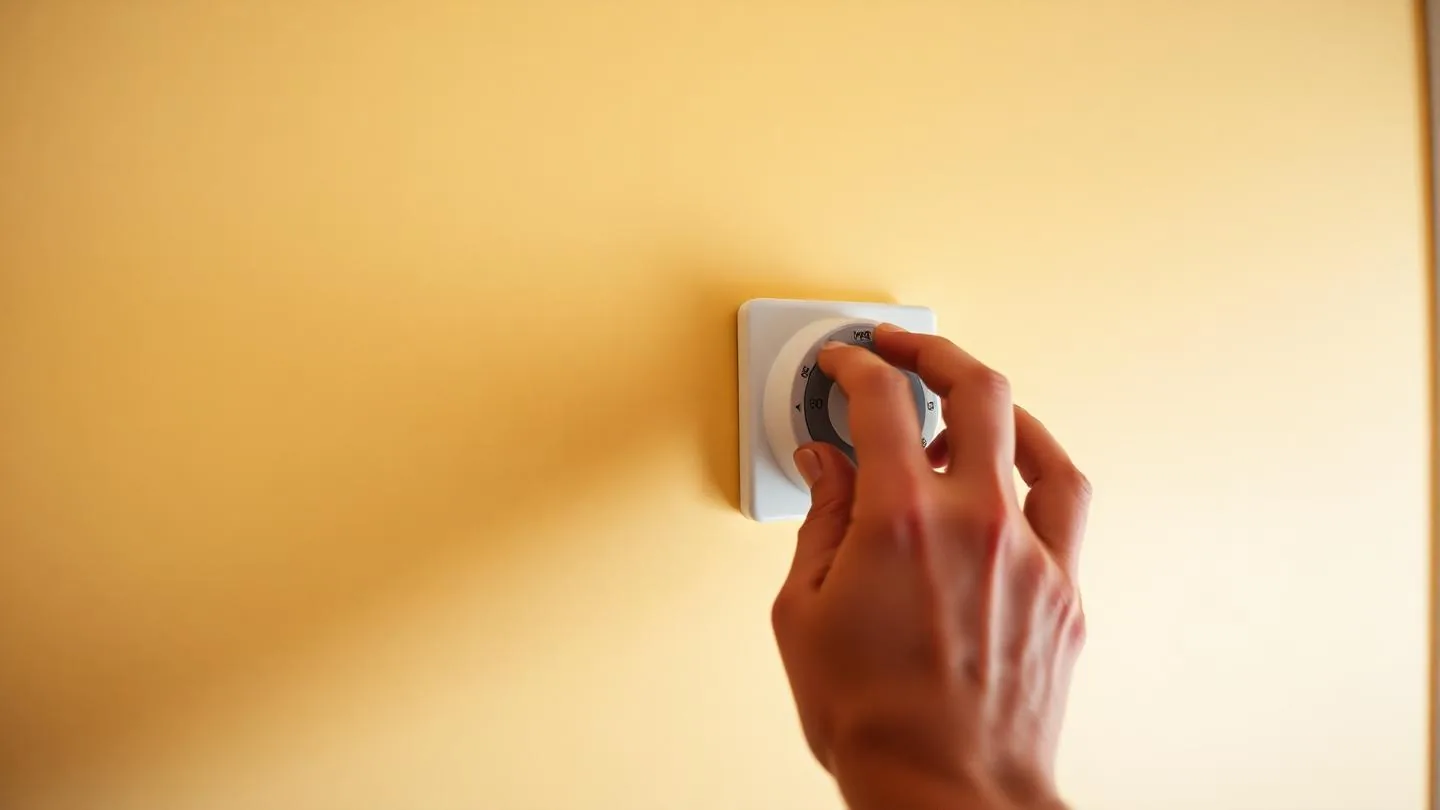
A thermostat saves energy when it lets the house drift while nobody needs it and recovers before they do. Programmable and smart models automate that pattern. Placement matters as much as the model: a thermostat in direct sun, above a lamp or next to a draft will misread the house no matter how good it is.
Key points
- Setback while asleep or out is where the saving actually comes from.
- Heat pumps behave differently, so avoid deep setbacks unless the control supports them.
- Compatibility depends on your system wiring, not on the box it comes in.
Types of control
- Manual: a single set point you change by hand
- Programmable: scheduled temperatures by time of day and day of week
- Smart: scheduling plus remote control, sensors and usage reporting
- Zoned: separate control for separate areas, using dampers or multiple systems
Placement problems
An interior wall, away from direct sun, kitchen heat, supply vents, exterior doors and lamps, on a wall used by the whole household, gives the most representative reading. A thermostat in a hallway that never gets used will happily hold a temperature nobody experiences.
Before you buy
- Check what wiring your system has, particularly whether a common wire is present
- Confirm compatibility with heat pumps, multi stage or dual fuel systems
- Decide whether remote access and sensors are worth the added cost to you
- Ask an HVAC pro if the wiring is unclear rather than guessing
Not sure what your system supports?
Ask an HVAC pro