
Kitchen cabinet options
How cabinet routes differ in cost, lead time and flexibility, and which one fits the kitchen you actually have.
By Elijah Canfield, Founder, Hire Best Pros · Updated August 27, 2026
Elijah Canfield is the founder of Hire Best Pros. He writes and edits the site's consumer guides, with a focus on how home service and moving projects are priced, scoped and compared.
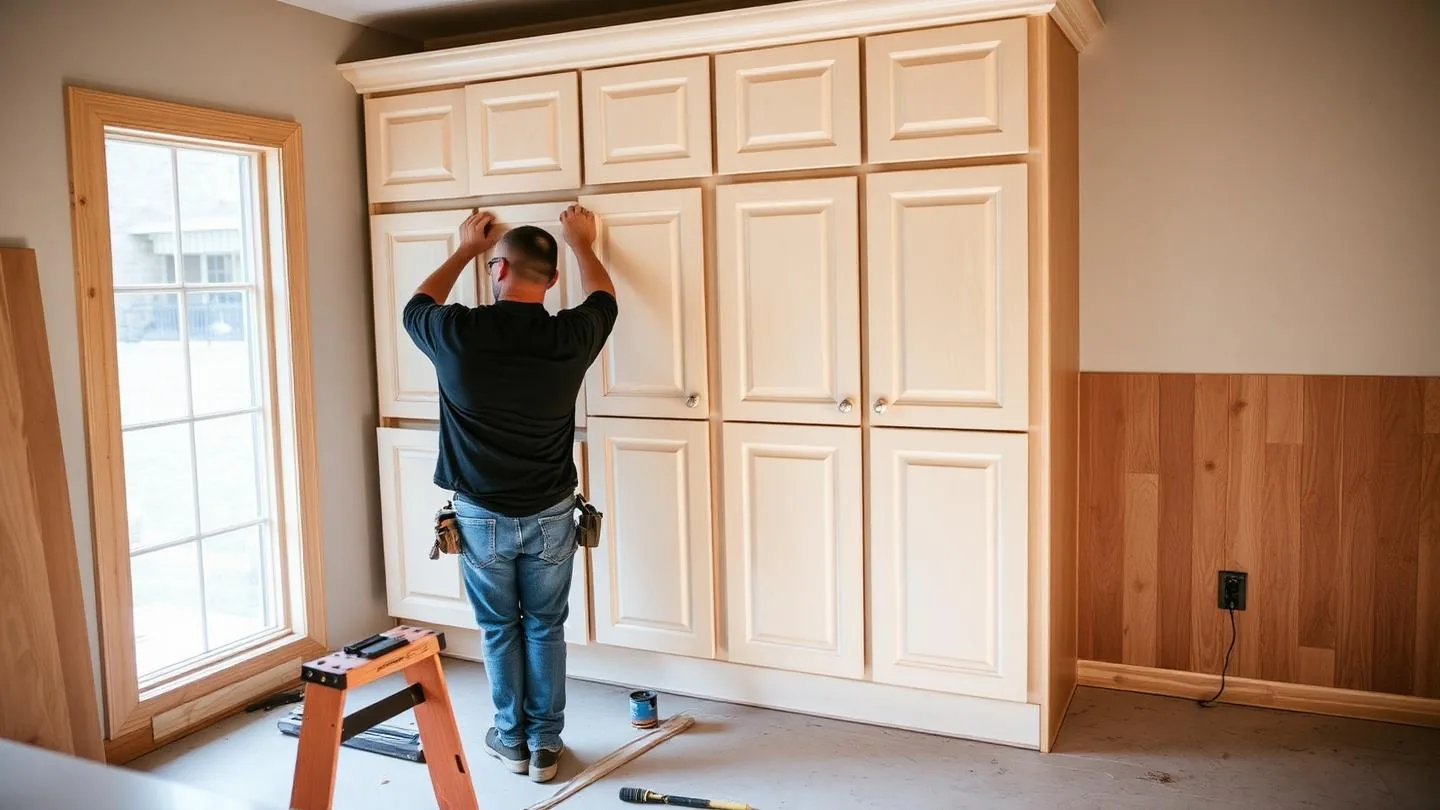
Refacing keeps the existing boxes and replaces doors and fronts, which suits a sound layout. Stock cabinets come in fixed sizes and short lead times. Semi custom allows size and finish changes within a catalog. Full custom fits any layout at the highest cost and longest lead time. Layout changes, not door style, are what drive a kitchen budget.
Key points
- If the boxes are solid and the layout works, refacing is the efficient answer.
- Moving plumbing and electrical costs more than any door upgrade.
- Lead time is part of the decision, especially for custom work.
The four routes
- Refacing: new doors, drawer fronts and veneer over existing boxes
- Stock: fixed sizes, fastest availability, least flexibility
- Semi custom: catalog cabinets with size, depth and finish options
- Custom: built to the room, longest lead time, highest cost
Construction details that matter
- Plywood versus particleboard box construction
- Dovetail drawer boxes and full extension soft close hardware
- Framed versus frameless design and the storage difference
- Finish quality, since it decides how the kitchen ages
Planning the project
Decide the layout before the finishes. If the sink, range and refrigerator stay where they are, the project stays predictable. Once plumbing, gas or electrical moves, add permitting, additional trades and a longer schedule.
Costs vary based on location, project size, materials, complexity, access and the provider you hire.
Planning a kitchen project?
Find kitchen pros