
Kitchen remodels and resale value
Which kitchen changes tend to matter to buyers, which ones are for you rather than the market, and how to scope a remodel when resale is part of the reason.
By Elijah Canfield, Founder, Hire Best Pros · Updated September 8, 2026
Elijah Canfield is the founder of Hire Best Pros. He writes and edits the site's consumer guides, with a focus on how home service and moving projects are priced, scoped and compared.
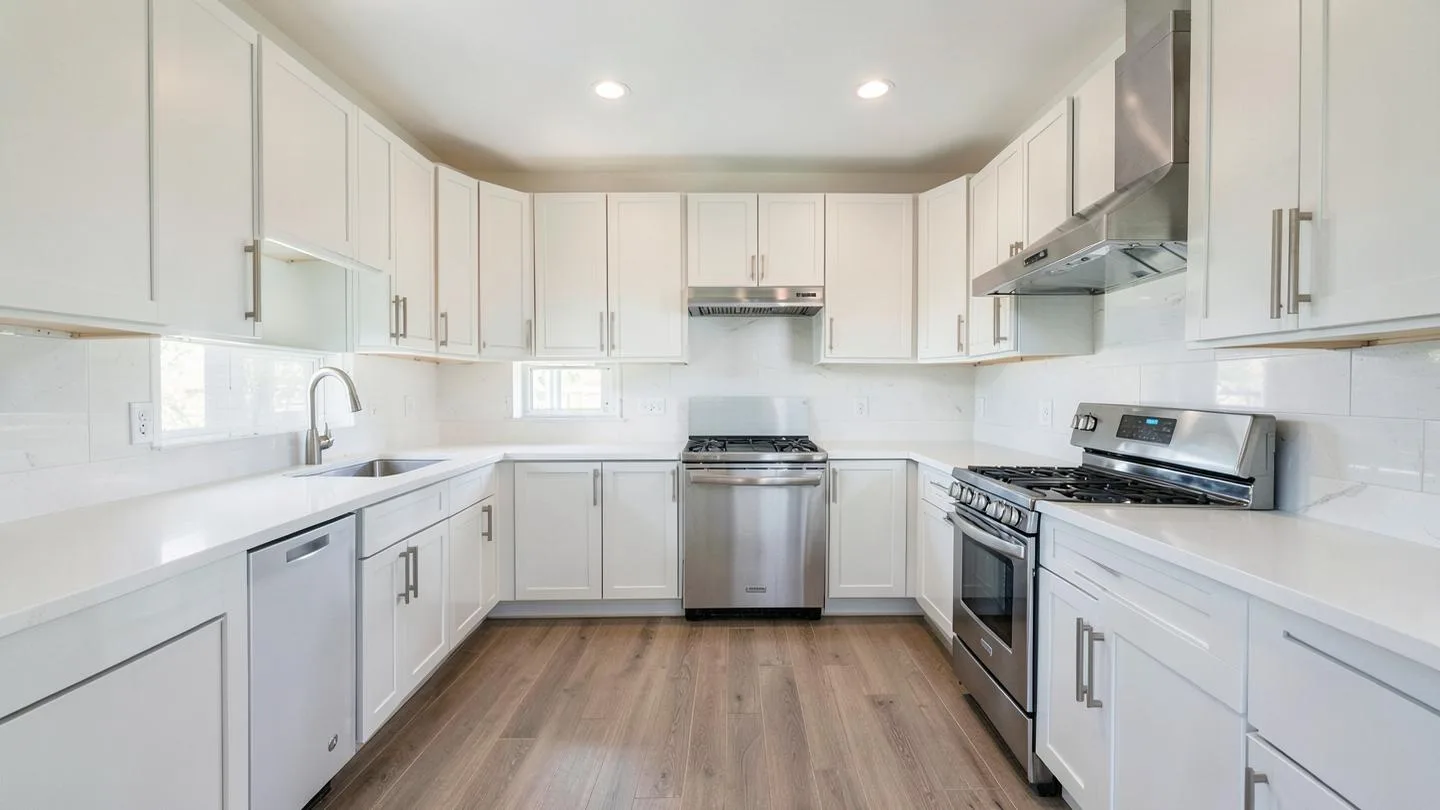
Kitchens influence buyers more than almost any other room, but the return depends on the gap between your kitchen and the standard in your neighborhood, not on how much you spend. Closing an obvious gap, such as failing cabinets, a dated layout or worn surfaces, tends to matter to buyers. Pushing well beyond the local standard usually pleases you more than it pleases the market.
Key points
- Match the neighborhood standard first, then spend on what you personally value.
- Layout and light change how a kitchen feels. Finishes change how it photographs.
- Permit and document the work. Undocumented changes create friction at closing.
What buyers respond to
- A layout that works, with clear counter space near the range and sink
- Storage that is usable rather than merely plentiful
- Cabinets and counters in sound condition, consistent across the room
- Lighting that reaches the work surfaces, not just the ceiling
- Appliances that are current enough not to read as a pending expense
Where the money tends to work harder
Fixing what is broken or clearly dated typically reads stronger to a buyer than adding a premium feature. Sound cabinet boxes can often be refaced instead of replaced, which puts the budget into the parts that show.
Improving light, both natural and task lighting, changes the perception of a kitchen at very low cost relative to structural work.
Where it tends to work less well
- Highly personal finishes and bold color choices
- Professional grade appliances in a modest home
- A kitchen finished to a much higher standard than the rest of the house
- Removing a useful bedroom or dining space to enlarge the kitchen
Scope the project around your timeline
If you are selling within a year, target condition, function and cleanliness. If you plan to stay for several years, scope the kitchen around how you live and treat resale as a secondary benefit.
Either way, get more than one detailed bid and make sure each covers the same scope, including demolition, disposal, electrical, plumbing and finish work.
Planning the work?
Get kitchen remodeling quotesDo not skip the paperwork
Moving plumbing, adding circuits or altering walls usually requires permits. Unpermitted work can surface during a sale, complicate an appraisal and force a retrofit at the worst possible moment.
Keep the contract, the permits, the final inspection records and the appliance documentation together for the eventual buyer.
Common questions
- Is a full gut renovation worth it before selling?
- Rarely, unless the kitchen is genuinely unusable or far below neighborhood standard. Condition focused work usually reaches the same buyer response with far less disruption and risk.
- Do new appliances help a sale?
- They help when the existing ones read as a near term expense or do not match. Buyers notice a mismatched, aging appliance set more than they notice a specific brand.
- Should I refinish or replace cabinets?
- If the boxes are solid, square and laid out well, refacing or refinishing preserves budget for counters, lighting and hardware. Replace when the layout or the boxes themselves are the problem.