
Low maintenance landscaping that still looks cared for
Design decisions, plant choices and irrigation habits that cut yard work without letting a property look neglected.
By Elijah Canfield, Founder, Hire Best Pros · Updated August 26, 2026
Elijah Canfield is the founder of Hire Best Pros. He writes and edits the site's consumer guides, with a focus on how home service and moving projects are priced, scoped and compared.
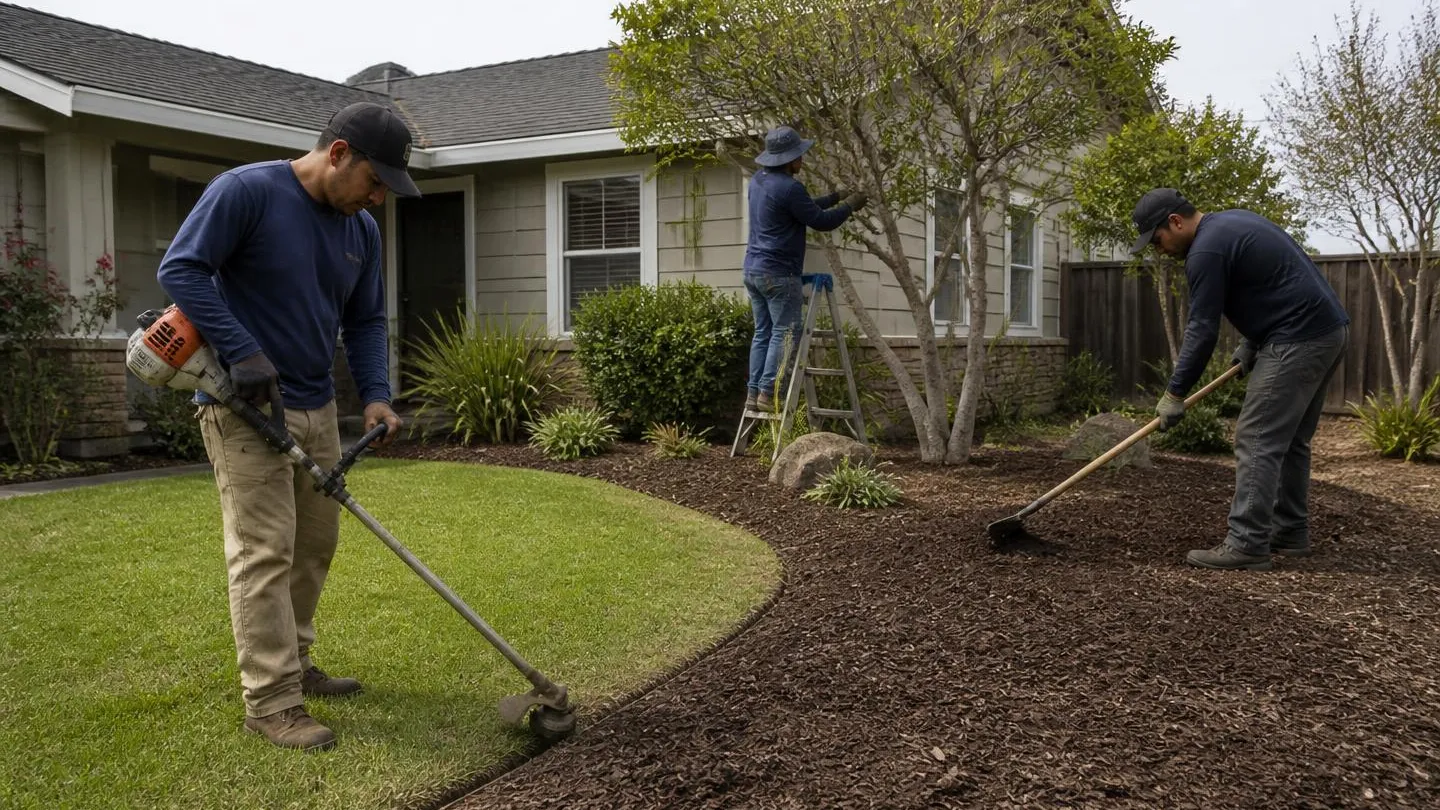
Low maintenance landscaping comes from design decisions rather than from doing less. Reduce the area that needs weekly attention, choose plants suited to your climate and to the light each bed actually gets, define edges clearly, mulch properly, and water deeply and infrequently so plants root deeper and need less from you.
Key points
- Right plant, right place beats any amount of upkeep.
- Clean edges and mulch make a yard read as maintained even when it is simple.
- Deep, infrequent watering builds roots. Frequent light watering does the opposite.
Design moves that reduce work
- Shrink turf to the areas you actually use, and give the rest to beds, groundcover or hardscape
- Group plants by water and light needs so a whole zone can be treated the same way
- Define bed edges with a clean physical edge, which reduces creeping grass and weeding
- Use larger masses of fewer species instead of many single specimens
- Choose plant sizes for their mature dimensions so you are not pruning to control them
- Keep mowing lines simple, since tight curves and obstacles slow every cut
Plant selection
The most durable low maintenance choice is a plant suited to your region, your soil and the light that specific spot receives. Native and regionally adapted plants generally need less supplemental water and less intervention once established. Your local extension service or a landscape professional who works in your area is the right source for specific recommendations.
Want a plan suited to your yard?
Find landscaping helpMulch, water and edges
- Mulch beds to a consistent depth, keeping it off trunks and stems
- Refresh mulch rather than piling more on top each year
- Water deeply and less often, early in the day, adjusting for season and rainfall
- Check irrigation for broken or misaligned heads at the start of each season
- Keep hardscape edges swept and defined, which does more for appearance than most planting
For rentals and properties you do not visit often
- Favor durability and predictability over seasonal color
- Avoid anything that needs staking, deadheading or frequent pruning
- Keep sight lines and walkways clear for safety and access
- Consider a scheduled maintenance visit rather than relying on occasional attention
Common questions
- Is gravel or rock always lower maintenance than plants?
- Not necessarily. Rock areas still collect leaves, weeds and debris, and in hot climates they raise surface temperatures around nearby plants. Used deliberately in the right spot it works well, used everywhere it usually disappoints.
- How do I keep trees low maintenance?
- Choose species suited to the space at mature size, plant them at the right depth, and have structural pruning done early. Our guide to tree maintenance basics covers what routine care involves.