
Getting ready for spring
A practical spring checklist for the yard, the exterior and the systems that sat idle all winter, in the order that makes each step easier.
By Elijah Canfield, Founder, Hire Best Pros · Updated August 26, 2026
Elijah Canfield is the founder of Hire Best Pros. He writes and edits the site's consumer guides, with a focus on how home service and moving projects are priced, scoped and compared.
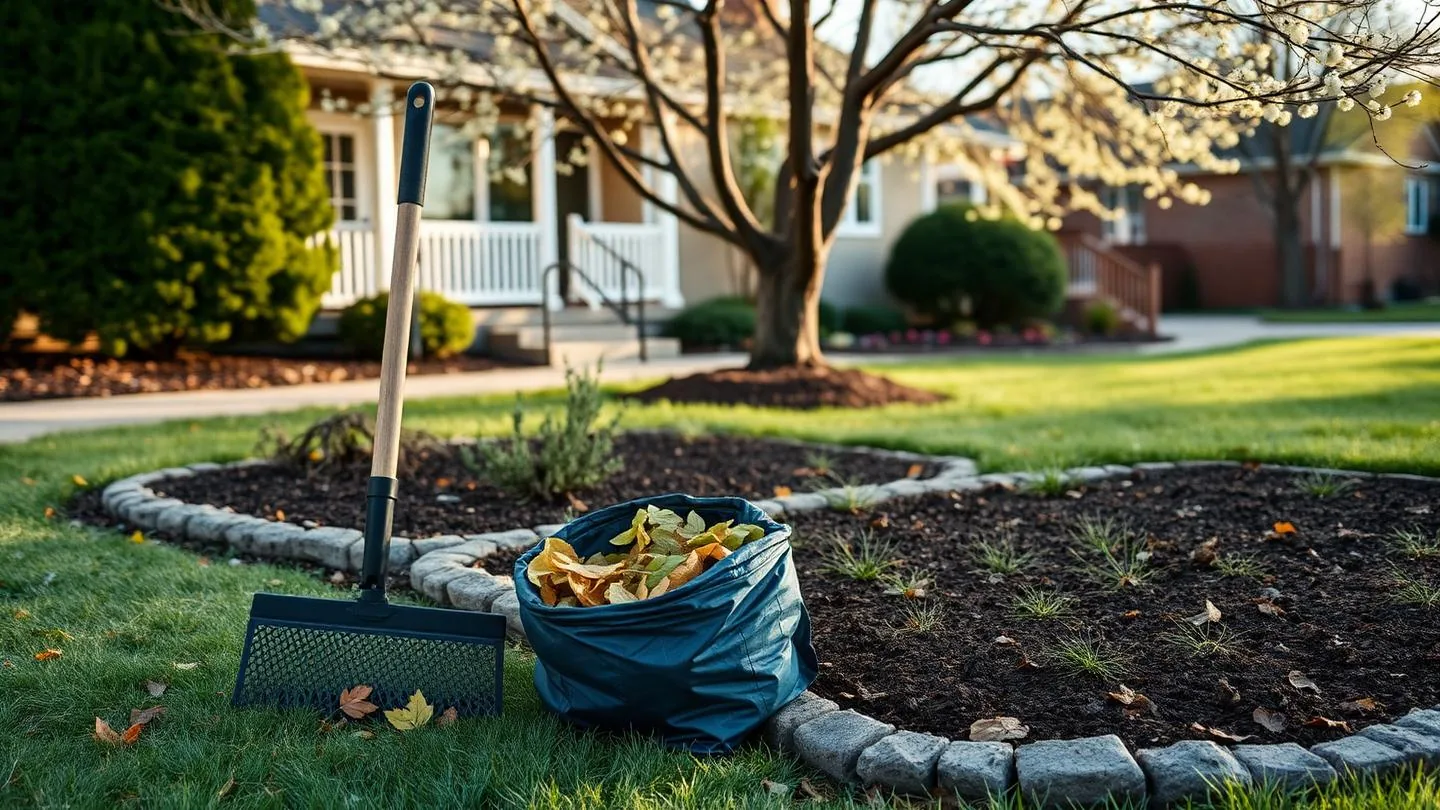
Spring preparation works best from the top down and the outside in. Start with what winter damaged: gutters, roof edges, exterior faucets and drainage. Then move to the yard: debris removal, bed edging, pruning where it is appropriate for the plant, and soil work before anything is planted. Finish with the systems you are about to use again, including irrigation and cooling.
Key points
- Clear water paths first. Everything else is easier on dry ground.
- Not every plant should be pruned in spring. Timing depends on when it flowers.
- Test irrigation before you need it, not during the first dry week.
Winter damage first
- Clean gutters and downspouts, and confirm water discharges away from the foundation
- Walk the roof line from the ground looking for lifted or missing shingles
- Check outdoor faucets for a split that only shows once pressure is back on
- Look for settled soil, washouts and low spots near the foundation
- Inspect fences, gates and hardscape for frost heave
The yard itself
- Rake out matted leaves and thatch so new growth gets light
- Re-edge beds and refresh mulch, keeping it off trunks and siding
- Prune deadwood any time, but time flowering shrubs to their bloom cycle
- Test soil before fertilizing rather than applying by habit
- Reseed or patch bare areas while soil temperatures are still moderate
Want help with the heavy spring work?
Find landscaping helpSystems coming back online
Charge irrigation slowly and walk every zone looking for broken heads, leaks and spray hitting the house or the sidewalk. A misaimed head can keep siding wet all season.
Change the filter and clear debris around the outdoor condenser before the first hot week, and run the cooling system for a cycle so a problem shows up on a mild day instead of a hot one.