
Tree removal and trimming
How to recognize a hazardous tree, why removal is priced the way it is, and the credentials to check before anyone climbs.
By Elijah Canfield, Founder, Hire Best Pros · Updated August 27, 2026
Elijah Canfield is the founder of Hire Best Pros. He writes and edits the site's consumer guides, with a focus on how home service and moving projects are priced, scoped and compared.
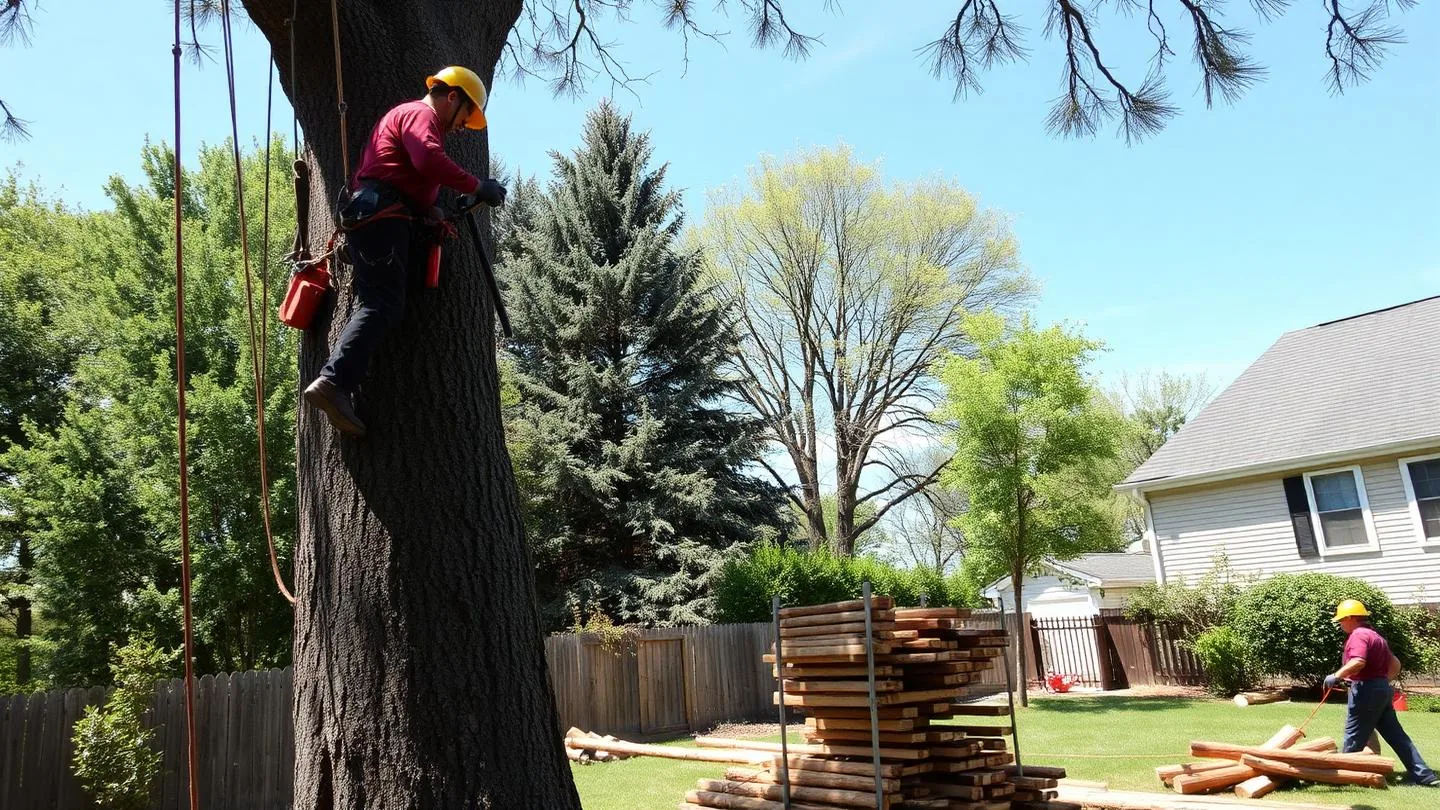
Call an arborist when a tree leans suddenly, drops large limbs, shows trunk cracks or fungal growth at the base, or has dead sections over a structure. Removal price is driven by height, trunk diameter, proximity to buildings and power lines, access for equipment, and whether the stump and debris are included.
Key points
- Verify insurance in writing before work starts. This is high risk work.
- Stump grinding and debris hauling are usually separate line items.
- Anything near power lines involves the utility, not just a crew.
Warning signs
- A new or worsening lean, especially with soil heaving at the base
- Large dead limbs, or a canopy that leafs out unevenly
- Vertical trunk cracks or hollow sounding wood
- Mushrooms or conks at the base, which can indicate root decay
What drives the price
- Height, trunk diameter and species
- Proximity to the house, fences, power lines and neighboring property
- Access for a truck, chipper or lift, versus a full climb and rigging job
- Stump grinding depth, debris removal and log disposal
Before you hire
Ask for certificates of liability and workers compensation insurance directly from the insurer, not a photocopy. Confirm who is responsible if a limb damages a structure. Check local rules, since some municipalities require a permit to remove trees over a certain size or protected species.
Costs vary based on location, project size, materials, complexity, access and the provider you hire.
Need a tree assessed?
Find landscaping pros