
The year-round home maintenance checklist
A season by season list of the upkeep that prevents expensive repairs, plus a simple way to budget for the work you cannot do yourself.
By Elijah Canfield, Founder, Hire Best Pros · Updated September 9, 2026
Elijah Canfield is the founder of Hire Best Pros. He writes and edits the site's consumer guides, with a focus on how home service and moving projects are priced, scoped and compared.
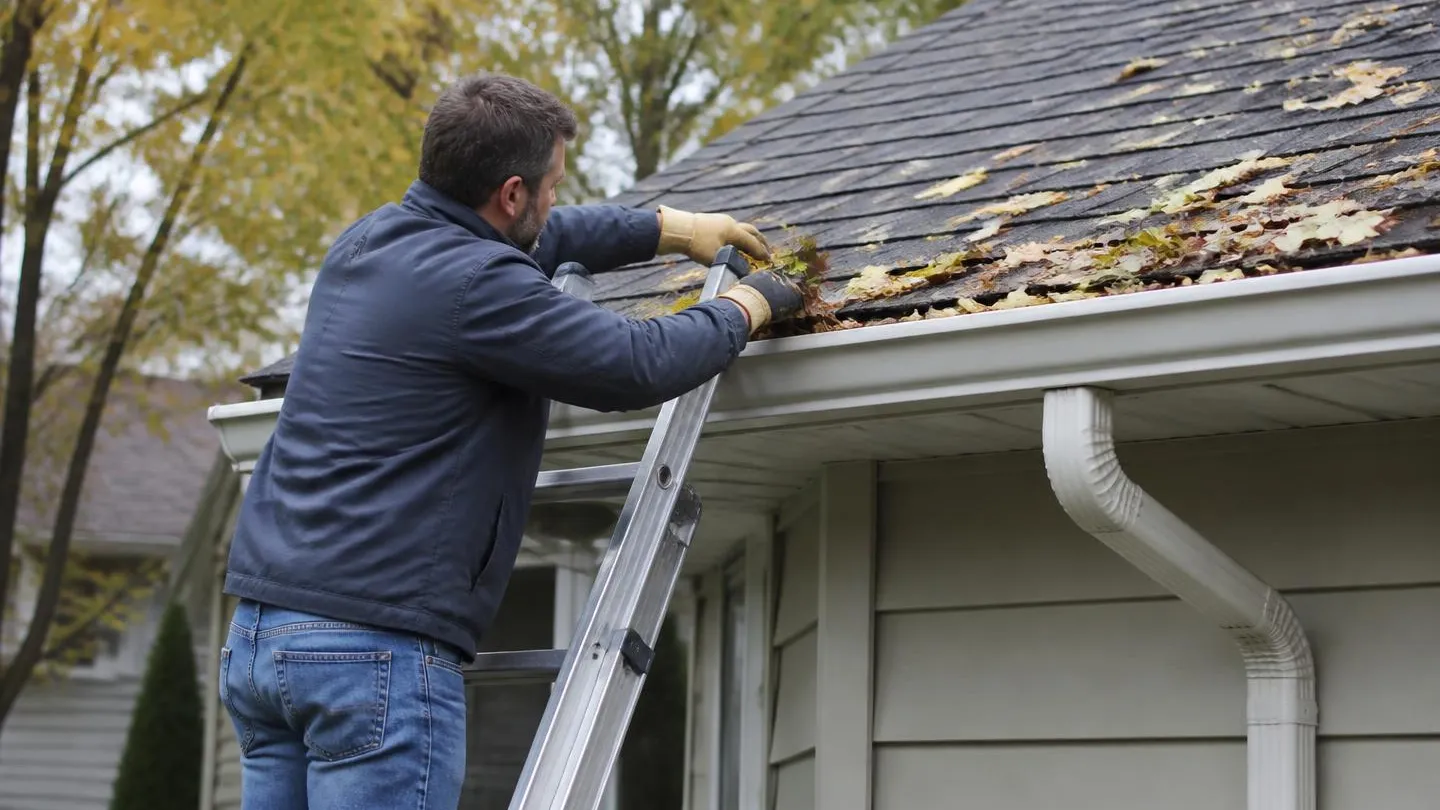
Most large home repairs start as small, visible problems that went unattended for a season or two. Working through a short list four times a year covers the systems that fail expensively: the roof and drainage, heating and cooling, plumbing, and the exterior envelope. Budget for it deliberately rather than reacting when something breaks.
Key points
- Water is the enemy. Roof, gutters and grading deserve attention every season.
- Service heating before the cold and cooling before the heat, not during.
- Set money aside monthly so a failed water heater is an inconvenience rather than a crisis.
- Write down what you did and when. It is worth having when you sell or file a claim.
Spring
- Inspect the roof from the ground for missing, lifted or damaged shingles after winter
- Clean gutters and downspouts and check that water discharges away from the foundation
- Service the air conditioning before the first hot week
- Check exterior caulking, trim and paint for winter damage
- Test the sump pump and clear yard drains
- Clear debris from around the foundation and get the yard ready for the season
Getting the yard back in shape?
Read the spring yard preparation guideSummer
- Replace HVAC filters on schedule and keep the outdoor unit clear
- Check for pest entry points around the foundation, soffits and utility penetrations
- Inspect decks, fences and driveways for damage and seal where needed
- Look for slow plumbing leaks under sinks and around the water heater
- Trim branches back from the roof and siding
Fall
- Service the furnace or heat pump before the first cold snap
- Clean gutters again after the leaves come down
- Seal drafts around windows and doors and check attic insulation
- Have the chimney and fireplace checked before you use them
- Shut off and drain exterior faucets and irrigation in freezing climates
- Test smoke and carbon monoxide detectors and replace batteries
Want the full cold weather list?
Use the pre-winter home maintenance checklistWinter
- Keep the house heated enough to protect pipes, including during trips away
- Watch for ice dams and clear snow away from vents and exhausts
- Check the attic for condensation or frost, which points at ventilation problems
- Keep walkways clear and safe
- Plan and price the bigger projects for spring while contractors are less busy
Budgeting for the work
Maintenance is predictable in aggregate even when individual repairs are not. Setting aside a fixed amount monthly turns a failed water heater or an aging roof into a planned expense.
Get to know the age of the big ticket items in your home: roof, furnace, air conditioner, water heater and major appliances. Knowing which one is closest to the end of its life is what lets you replace it on your schedule rather than on its own.
Not sure whether to repair or replace?
Read repair or replace for appliancesCommon questions
- How much should I budget for home maintenance?
- Rather than a single rule, base it on your own house: the age of the roof, systems and appliances, the climate, and how much you can do yourself. Setting aside a fixed amount every month is what matters most.
- What maintenance is worth paying a professional for?
- Anything involving the roof, gas appliances, electrical panels, chimneys and sealed HVAC systems. Filters, gutters where safely reachable, and general cleaning are reasonable homeowner jobs.
- Does maintenance affect insurance?
- It can. Deferred maintenance is a common reason a claim gets reduced or denied, and documented upkeep helps when you need to show that damage was sudden rather than gradual.