
How to renovate a home for lower energy use
The order that makes an efficiency renovation pay off: seal and insulate first, then equipment, then windows and finishes, with realistic notes on what each step changes.
By Elijah Canfield, Founder, Hire Best Pros · Updated September 9, 2026
Elijah Canfield is the founder of Hire Best Pros. He writes and edits the site's consumer guides, with a focus on how home service and moving projects are priced, scoped and compared.
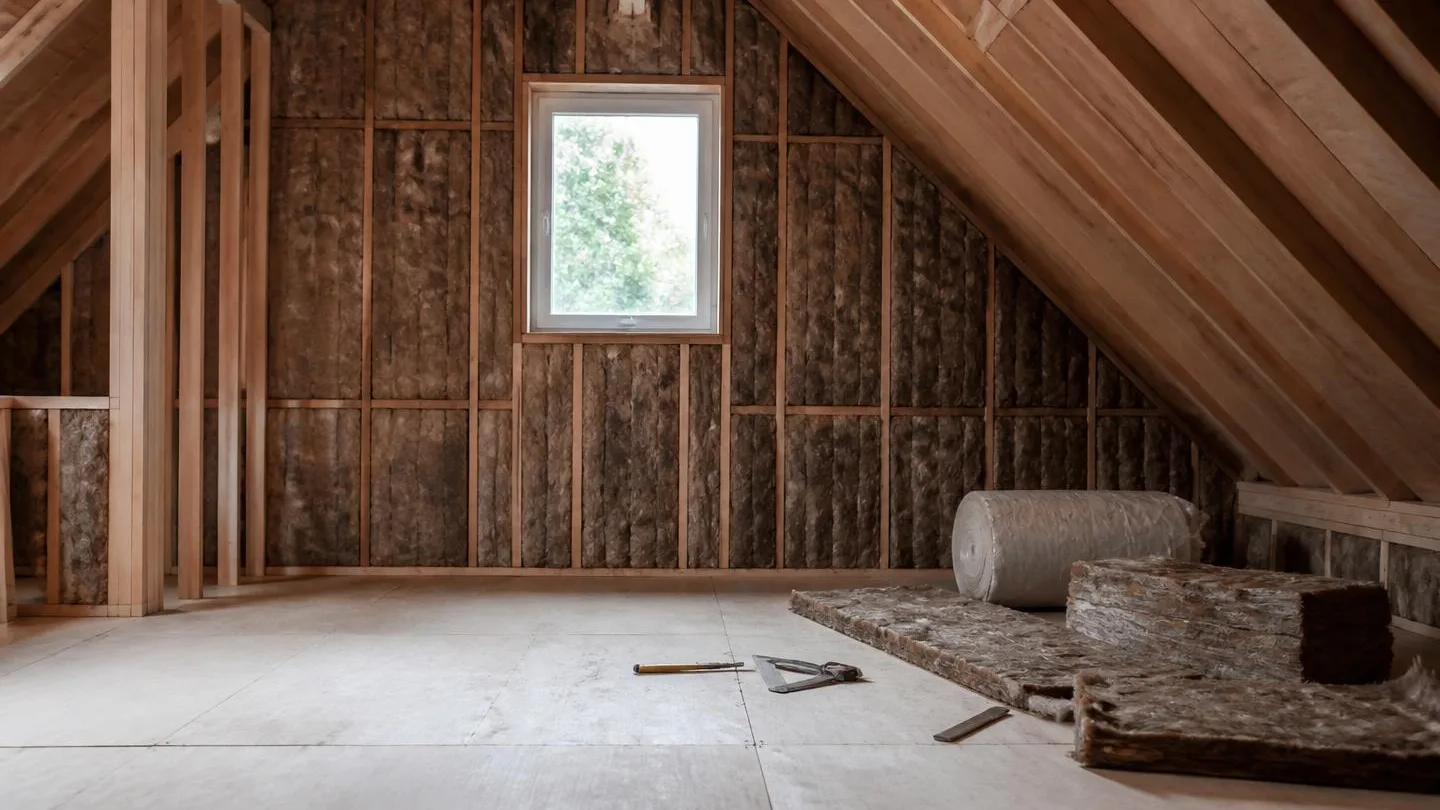
An efficient renovation follows a sequence. Air sealing and insulation come first because they cost the least per unit of comfort gained and they shrink the equipment you need. Heating and cooling equipment comes second, sized to the improved envelope. Windows, appliances and finishes come last, chosen for durability as much as for rated efficiency. Doing it in the reverse order is how people spend heavily and still feel drafts.
Key points
- Seal air leaks before you buy anything. It is the cheapest step and it changes every step after it.
- Size new heating and cooling equipment to the improved house, not the old one.
- Windows matter, but they rarely beat insulation per dollar spent.
- Ventilation is part of the job once a house is tight.
Start with the envelope
The building envelope is the boundary between conditioned and unconditioned space. Air moving through it is the largest avoidable energy loss in most existing homes, and it is invisible until someone tests for it.
Attic bypasses, rim joists, duct penetrations, recessed lights and the gaps around windows and doors are the usual suspects. Sealing them is inexpensive relative to almost anything else you will do.
Starting with the attic?
Read about attic insulation and energy lossThen insulate to the level your climate justifies
Insulation only performs when air is not moving around it, which is why sealing comes first. Once the envelope is tight, adding depth in the attic is usually the highest return improvement available in an older house.
Walls are harder and more disruptive, which makes them a natural project to combine with work you were doing anyway, such as a gut remodel, new siding or a room addition.
Size the equipment to the house you now have
A tighter, better insulated house has a smaller heating and cooling load. Replacing equipment first and sealing later leaves you with a system that is oversized, short cycles, and controls humidity poorly.
Ask any contractor how they arrived at the size. A load calculation based on your home's construction, orientation and improvements is the answer you want, not a match to whatever was there before.
Replacing heating or cooling equipment?
Read how to choose an HVAC contractorWindows, doors and the parts you can see
New windows improve comfort near the glass and cut drafts, and they are often what people want first because the change is visible. Per dollar, they usually return less than sealing and insulation, so they belong after those steps unless the existing units are failing.
When you do replace, the installation matters as much as the product. A well made window installed into an unsealed opening still leaks.
Comparing window options?
Read about energy efficient windowsVentilation, water and materials
A tight house needs deliberate ventilation. Bath and kitchen exhaust that actually vents outside, and in tighter homes a mechanical fresh air strategy, keep moisture and indoor air quality in check.
Water heating is often the second largest energy use in a home, so it deserves attention when the existing unit is near the end of its life. On materials, durability is the quiet efficiency measure: a finish that lasts twice as long halves everything it took to make and install it.
Planning the whole project?
Read how to plan a major renovationCommon questions
- What is the first thing to do in an efficiency renovation?
- Air sealing. It is the least expensive intervention, it improves comfort immediately, and it changes the correct size of any heating or cooling equipment you buy afterward.
- Are new windows worth it for energy savings alone?
- Usually not on their own. They are worth it when the existing windows are failing, when comfort near the glass is a daily problem, or when you are replacing them for other reasons anyway.
- Does a tighter house cause moisture problems?
- It can if ventilation is ignored. Once a home is sealed, exhaust that vents outdoors and a deliberate fresh air strategy become part of the work rather than an optional extra.