
Which home improvements bring the best return
Where remodeling money tends to hold its value, where it does not, and how to decide when you are staying rather than selling.
By Elijah Canfield, Founder, Hire Best Pros · Updated September 9, 2026
Elijah Canfield is the founder of Hire Best Pros. He writes and edits the site's consumer guides, with a focus on how home service and moving projects are priced, scoped and compared.
Returns follow the boring work more often than the exciting work. Repairs that remove a buyer's objection, curb appeal, and functional updates to kitchens, bathrooms and major systems tend to hold value best. Highly personal, high spend projects such as pools, luxury finishes and specialty rooms rarely return what they cost.
Key points
- Fix defects first. Nothing returns less than a project sitting on top of an unresolved problem.
- Curb appeal and entry impressions punch above their cost.
- Match the finish level to your neighborhood rather than overshooting it.
- If you are staying for years, weigh daily use and running costs alongside resale.
Deal with defects before upgrades
A new kitchen over a leaking roof or a failing foundation does not read as an upgrade. It reads as a problem someone else has to solve, and buyers price it that way.
Roof, drainage, structure, electrical and plumbing come first. They protect the value of everything you spend afterwards.
Worried about something structural?
Read about home foundation problemsWhere the money usually holds
- Exterior condition: roof, gutters, siding, paint and a tidy entry
- Garage doors and front doors, which are visible and comparatively inexpensive
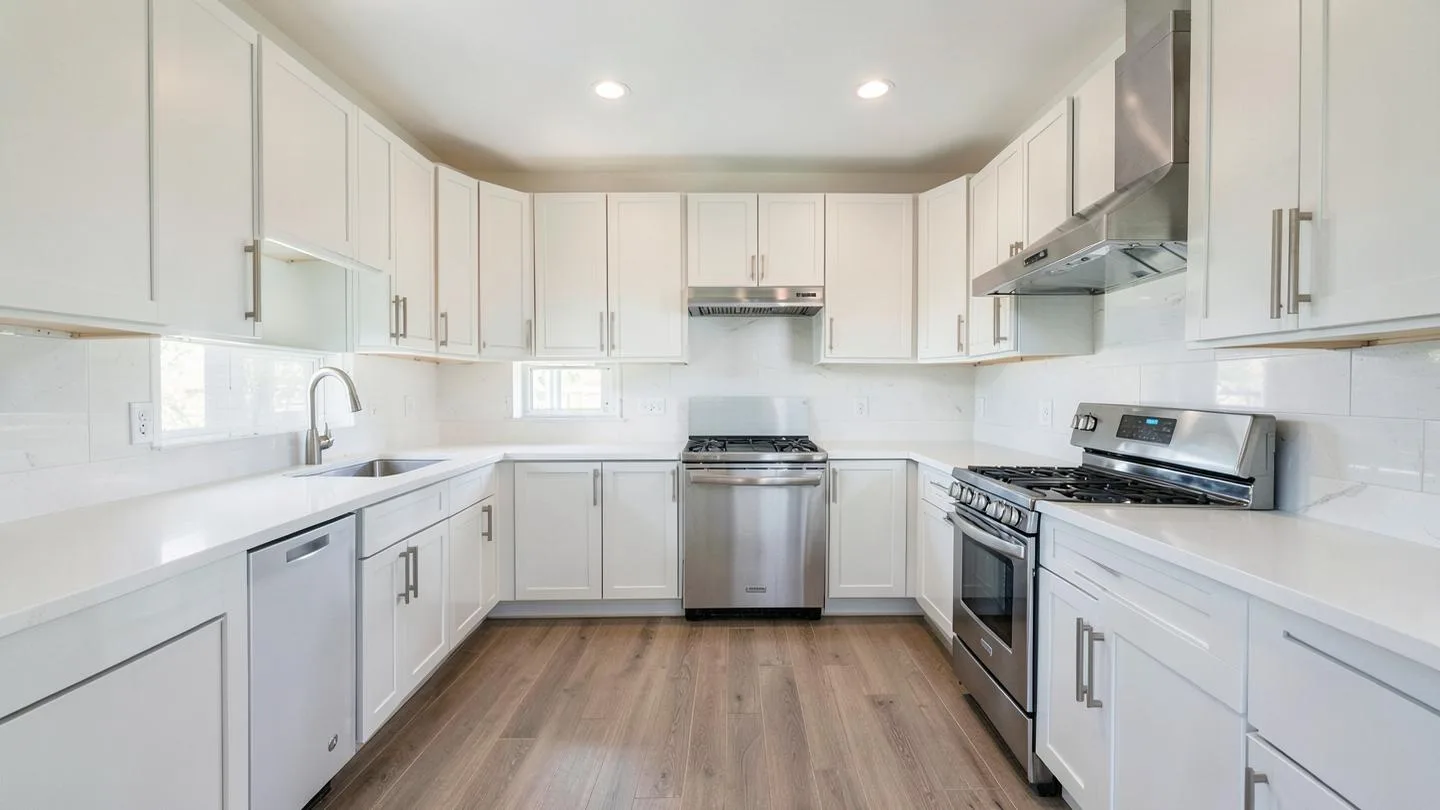
- Mid range kitchen updates rather than a gut renovation with premium finishes
- Bathroom updates that fix layout and function, including adding a second bathroom in a home with one
- Energy work such as insulation, air sealing and efficient windows in the right climate
- Flooring consistency through the main living areas
Planning a kitchen project with resale in mind?
Read kitchen remodel resale valueWhere it usually does not
Very personal projects narrow the buyer pool. Pools, elaborate landscaping, converted garages, wine rooms and heavily themed spaces cost real money and rarely come back in full.
Overshooting the neighborhood is the other common trap. If the finishes in your remodel are well beyond what comparable homes nearby offer, the market usually will not pay for the difference.
If you are staying, judge it differently
Resale is the wrong lens for a house you plan to live in for another decade. Daily use, comfort, running costs and how long the work will last matter more than what a future buyer might pay.
Insulation, an efficient heating and cooling system, and a layout that suits how you actually live can be worth doing even if the resale math is unremarkable.
Weighing a larger project?
Read about planning a major renovationProtect the return with the way you buy the work
Quality of execution is part of the return. A cheap job that has to be redone before you sell costs more than doing it once properly.
Get comparable written scopes, check licensing and insurance, and be clear about who handles permits. Permitted work with documentation is easier to sell than work nobody can verify.
Ready to price the project?
Find remodeling professionalsCommon questions
- Does a kitchen remodel pay for itself?
- Usually not in full. Mid range updates that improve function and appearance tend to return more of their cost than high end renovations with premium finishes.
- What is the cheapest way to add value before selling?
- Condition and presentation. Repairs, paint, clean flooring, a tidy exterior and a well kept entry cost comparatively little and shape a buyer's first impression.
- Is adding a bathroom worth it?
- It often is in a home with only one, since it removes a common objection. The economics depend on where the space comes from and how much plumbing work is involved.